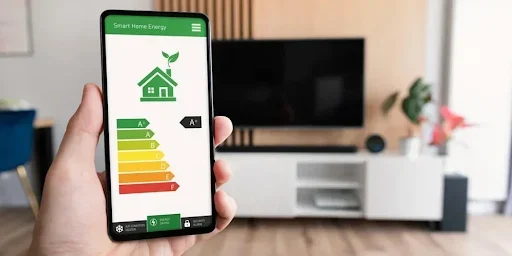
Energy bills have become one of the biggest worries for households across the United Kingdom. With costs climbing year after year, homeowners, landlords, and tenants are all asking the same question: how can we cut down on monthly outgoings without sacrificing comfort? The answer increasingly lies in smart home technology. Unlike traditional upgrades that focus purely on the physical structure of a property, smart systems give you precise control over how and when energy is used. This isn’t just about saving money. It’s about living smarter, wasting less, and making your property more attractive in an increasingly competitive market.
Why Energy Efficiency Has Become Essential
Let’s be honest: running a home in the UK isn’t cheap anymore. Wholesale energy prices swing unpredictably, and environmental targets are getting stricter by the year. When heat leaks through poorly insulated walls, roofs, and windows, your heating system has to work overtime just to keep things comfortable. That means higher bills, a bigger carbon footprint, and money disappearing every single month.
For homeowners, this is a direct hit to the household budget. For landlords, it translates to properties that sit empty longer and face potential regulatory headaches. The push toward energy-efficient homes aren’t some passing trend driven by eco-warriors, it’s a practical response to economic reality. Cutting energy consumption protects your finances, boosts property value, and keeps you compliant with evolving legislation. Whether you own one home or manage a portfolio of rentals, investing in efficiency is simply good sense.
What Smart Home Technology Actually Does
When we talk about smart home improvements, we’re referring to connected devices that automate, monitor, and optimise your property’s energy use. A smart thermostat doesn’t make your boiler more efficient mechanically, but it ensures the boiler only fires up when necessary and at exactly the right temperature. Smart lighting responds to whether anyone’s actually in the room and adjusts based on natural daylight levels.
The real magic happens over time. These systems learn your routines, when you leave for work, when you typically get home, which rooms you use most. They build a detailed picture of your energy habits and quietly refine them. This level of intelligent energy management used to be reserved for commercial buildings with expensive building management systems. Now it sits affordably in ordinary homes, giving everyday people the tools to cut waste without compromising on comfort.
Smart Heating: Where the Biggest Savings Live
Heating accounts for the largest chunk of domestic energy use in the UK, so it’s naturally the first place to look for savings. Smart thermostats have completely changed the game by replacing rigid timer schedules with responsive, intelligent control.
Instead of heating an empty house because you set the timer hours ago, a smart thermostat detects when nobody’s home and dials the temperature down automatically. It learns how long your property takes to warm up and starts heating at precisely the right moment to hit your desired temperature when you walk through the door.
Homeowners can also review the UK Government’s official guidance on energy efficient heating and reducing home energy use to better understand ways to lower heating costs and improve efficiency.
Lighting That Thinks for Itself
Lighting might seem like a small piece of the energy puzzle, but in a typical home it adds up to a meaningful portion of your electricity bill. Smart lighting systems tackle this through efficient LED technology combined with intelligent automation.
LED bulbs use a fraction of the energy that traditional incandescent or halogen bulbs consume, and they last significantly longer, saving you on replacement costs as well as running costs. Add smart controls into the mix and the savings multiply. Motion sensors ensure lights only come on when someone enters a room and switch off automatically when the space empties. Scheduling features let you programme lighting around your daily routine, dimming or brightening as the day progresses.
The result? A home that feels modern and responsive while quietly trimming your electricity bill every single day.
Appliances That Work Smarter, Not Harder
Walk into any modern kitchen and you’ll find appliances that do far more than their basic job. Smart washing machines, refrigerators, dishwashers, and ovens now come with energy monitoring that shows exactly how much electricity each cycle consumes. This visibility is genuinely powerful, it lets you make informed choices about when and how you use these devices.
Run your washing machine during off-peak hours, for instance, and you’ll save money while reducing strain on the grid. Smart refrigerators optimise their cooling cycles based on how often the door opens and how much food is stored inside. Many smart appliances also tackle standby power, that hidden source of waste where devices draw electricity continuously even when not in use. These newer models enter genuine low-power states or can be switched off remotely.
The Power of Combining Smart Tech with Solid Insulation
Here’s the thing: no amount of smart technology can fully compensate for a building that fundamentally leaks heat. The most effective energy efficiency strategy combines intelligent controls with proper improvements to the building envelope.
Why Fabric Improvements Still Matter
Loft insulation, cavity wall insulation, and double or triple glazing slow the rate at which heat escapes. This means your heating system doesn’t have to work as hard to maintain comfortable temperatures. When you pair a well-insulated home with smart heating controls, the synergy is remarkable. The property holds onto heat more effectively, and the smart system ensures that heat is generated only when and where it’s actually needed.
How Smart Improvements Can Lift Your EPC Rating
An Energy Performance Certificate rates your property’s energy efficiency from A to G. While smart technology alone doesn’t change the fundamental construction of your building, it can contribute to a better rating by reducing measured energy consumption and improving the efficiency of existing systems.
Smart Controls and EPC Methodology
Smart heating controls are recognised within EPC assessment methodology as measures that reduce heating demand and improve control precision. Lower overall energy consumption, documented through smart monitoring, supports a stronger performance profile. For property owners in the capital, maintaining an up-to-date EPC Certificate in London isn’t just about ticking a compliance box. It’s about presenting a property that meets modern expectations.
The London Context: Older Stock, Higher Stakes
London presents a particular challenge for energy efficiency. Much of the housing stock is older, with solid walls, single glazing, and outdated heating systems that were never designed with modern efficiency standards in mind. Yet property prices and rental demand remain exceptionally high, which means buyers and tenants have become increasingly discerning about running costs.
Why EPC Ratings Matter in the Capital
In this environment, energy-efficient upgrades aren’t a luxury, they’re essential for staying competitive. An EPC Certificate in London gets scrutinised closely during transactions, and properties with poor ratings increasingly struggle to attract interest. The encouraging news is that even period properties can be improved significantly through a combination of fabric upgrades and smart technology.
Conclusion
Smart home improvements represent one of the most accessible and effective ways to reduce energy consumption in modern properties. When combined with practical upgrades like insulation and efficient glazing, smart technology gives homeowners and landlords unprecedented control over how energy is used.
The benefits are clear and immediate: lower utility bills, improved comfort, reduced environmental impact, and stronger property performance. For those in the capital, these improvements also support a better EPC Certificate in London, ensuring compliance with current regulations and readiness for the stricter standards on the horizon.
If you’re unsure where your property stands, the first step is simple: get a professional EPC assessment from an accredited provider. At EPC Certs, our qualified assessors evaluate all property types across London and the UK, delivering accurate ratings, clear guidance, and practical recommendations, whether you own a studio flat or a six-bedroom house.