If you own or manage a property in London, gas safety is something you cannot ignore. Whether you are a landlord with multiple rental units, a homeowner living in a period property, or a property investor building a portfolio, the condition of your gas appliances directly affects the wellbeing of everyone under your roof, and the long term value of your asset.
The gas system works silently behind your eyes, heating our homes, providing hot water and powering our cookers. When everything functions appropriately, we barely give them a second though. But when things go in the right direction, the consequences can be devastating. Gas leaks, carbon monoxide positing, and appliance failure done just pose health risks, they can lead to expensive emergency repairs, legal complication and irreparable damage to your reputation as a property owner.
This is why maintaining a valid gas safety certificate in London is not just a simple exercise, it’s an essential part of responsible property management that protects lives and investments alike.
Why Gas Safety Checks Are Important in Residential Properties
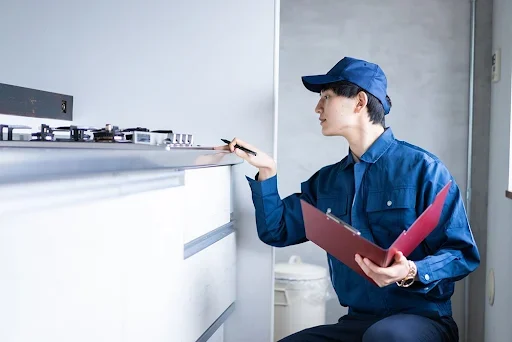
Gas safety inspections serve one essential purpose: they ensure that every gas appliance in your property is operating safely and efficiently. A qualified engineer examines boilers, cookers, fires, and pipework to confirm they’re working within safe parameters.
What many people don’t understand is that gas appliances can develop faults gradually. A boiler might seem to be functioning normally while harboring a dangerous carbon monoxide leak. A gas hob might have a hairline crack in its pipework that worsens over months. Such problems can be spotted casually, as they need the trained eye of a professional.
Regular maintenance through annual gas safety inspection catches these hidden issues before they arise. It’s the difference between a minor adjustment and a major emergency. For homeowners, this means protecting your family. For landlords, it means fulfilling your duty of care while safeguarding your income stream.
Common Gas Safety Risks in Rental Properties
Every property carries its own set of risks, but rental properties face particular challenges. Tenants may not report minor issues promptly, and appliances endure more frequent use across multiple occupants. Understanding these risks helps you appreciate why regular checks are non-negotiable.
Gas Leaks and Carbon Monoxide Exposure
Gas leaks remain the most immediate danger. Even a small leak can accumulate to dangerous levels, particularly in poorly ventilated spaces. Carbon monoxide exposure presents an even stealthier threat, this odourless, colourless gas can cause serious illness or death before anyone realises there’s a problem. Symptoms often mimic common ailments like headaches or fatigue, making detection without proper alarms nearly impossible.
Faulty Appliances and Ventilation Issues
Faulty boilers and cookers account for a significant portion of gas-related incidents. Wear and tear on seals, burners, and flues gradually compromises safety. Poor ventilation compounds these risks, trapping dangerous gases indoors rather than allowing them to dissipate as designed.
Appliance deterioration happens gradually, which is precisely why annual checks matter. What looks like a perfectly functional boiler to an untrained eye might reveal critical wear to a Gas Safe registered engineer. That slight yellowing of the pilot flame or the faint smell near the cooker might be early warnings that demand professional attention.
Legal Responsibilities for Landlords
UK gas safety regulations place clear obligations on landlords. Under the Gas Safety (Installation and Use) Regulations 1998, you must arrange an annual gas safety inspection for every rental property you own. This isn’t optional guidance, it’s a legal requirement with serious consequences for non-compliance.
The inspection must be conducted by a Gas Safe registered engineer, who will examine all gas appliances, pipework, and flues. Once completed, you must provide your tenants with a copy of the certificate within 28 days. New tenants should receive this documentation before they move in.
How Regular Gas Checks Help Protect Tenants
For tenants, knowing that their landlord takes gas safety seriously provides genuine peace of mind. Living in a rental property shouldn’t mean living with uncertainty about whether the boiler is safe or the cooker is properly installed.
Regular checks create safer living conditions by identifying potential hazards before they affect daily life. Early detection of dangerous issues whether it’s a failing boiler component or deteriorating flue, means problems get resolved before tenants are exposed to risk. This proactive approach significantly reduces health and safety risks, making carbon monoxide poisoning, gas-related fires, and exposure to harmful combustion products far less likely.
Protecting Property Investments Through Preventative Maintenance
From an investment perspective, regular gas checks represent sound financial management. Emergency repairs invariably cost more than scheduled maintenance. A boiler that receives annual attention is far less likely to fail catastrophically in mid-winter, leaving you scrambling for expensive emergency call-outs during the busiest and most expensive time of year.
Well-maintained gas appliances last longer. Boilers, cookers, and fires represent significant capital investments—protecting their lifespan through proper care preserves your bottom line. A boiler that might last eight years with neglect can often serve fifteen years or more with consistent servicing, delaying replacement costs considerably.
Why Regular Boiler and Appliance Servicing Matters
Beyond safety, regular servicing improves efficiency and performance. A well-maintained boiler burns fuel more effectively, delivering better heating while consuming less energy. Over the course of a year, this translates to noticeable savings on utility bills, benefiting both landlords who include heating in rent and tenants who pay their own bills.
The Importance of Gas Safety Compliance in London Properties
London presents particular challenges for gas safety. The capital’s high density of rental properties means that a single gas incident can affect multiple households, amplifying both risk and consequence. Many buildings contain older infrastructure that requires more vigilant monitoring than newer constructions.
Period properties, so characteristic of London’s housing stock, often contain aging pipework and flue systems that don’t meet modern standards. While these features contribute to the city’s architectural charm, they demand careful professional assessment to ensure safe gas operation. What worked adequately decades ago may fall short of current safety expectations.
Choosing Qualified Gas Safety Professionals
The quality of your gas safety check depends entirely on who performs it. Only Gas Safe registered engineers are legally permitted to conduct inspections and issue certificates. This registration isn’t merely a formality, it represents verified competence, ongoing training, and accountability to professional standards.
Professional inspections involve more than a quick visual check. A qualified engineer tests gas pressure, examines flue integrity, checks ventilation requirements, and assesses appliance conditions against current safety standards. They provide detailed reporting that documents exactly what was examined and any issues identified, creating a clear record for your files.
Preventative Gas Safety Measures for Landlords and Property Owners
Beyond annual inspections, several practical measures help maintain gas safety year-round. Scheduling inspections well in advance of certificate expiry prevents last-minute rushes and ensures continuity of compliance. Marking renewal dates in your calendar with several weeks of buffer time keeps you ahead of deadlines.
Encouraging tenants to report issues early creates a culture of safety awareness. Strange smells, yellow rather than blue pilot flames, or appliances that are difficult to light might indicate developing problems. Tenants who feel confident reporting concerns become valuable partners in maintaining safety, extending your vigilance between professional inspections.
Final Thoughts
Regular gas checks represent one of the most straightforward yet impactful investments you can make in your property. They protect the people who live in your buildings, preserve the value of your assets, and ensure you meet your legal obligations without complication.
The modest cost of an annual inspection, typically between £75 and £100 in London—pales in comparison to the potential costs of neglect: emergency repairs, legal penalties, invalidated insurance, and worst of all, harm to human life. When viewed as a percentage of annual rental income or property value, this investment is minimal. When viewed as protection for your tenants and your reputation, it’s invaluable.
When it comes to securing your Gas Safety Certificate in London, working with a trusted provider makes all the difference. EICRCERT’s Gas Certificate has built its reputation on delivering thorough, professional gas safety inspections carried out exclusively by Gas Safe registered engineers. Their team understands the unique demands of London’s diverse property landscape, from Victorian terraces to contemporary apartment blocks, ensuring every inspection meets the highest standards of accuracy and compliance.