Renting out a property in London comes with more responsibilities than most landlords realise. While gas safety certificates and electrical inspections get the attention, water safety often goes unnoticed until it becomes a serious problem. Yet the risks hiding inside residential water systems can affect tenant health, trigger council enforcement, and expose landlords to significant liability.
This blog covers the hidden water safety risks that affect residential buildings across London. Whether you manage a Victorian conversion in Camden, a purpose-built block in Tower Hamlets, or a portfolio stretching across multiple boroughs, understanding these risks is essential for staying compliant and keeping your tenants safe.
Why Water Safety Matters in Residential Buildings
Clean water is something most of us take for granted. We turn on the tap and expect it to be safe. But behind the walls of every residential building, a complex network of pipes, tanks, and fittings needs proper management to stay that way.
When water systems are neglected, they can become breeding grounds for harmful bacteria. The consequences range from minor illnesses to severe respiratory infections. For landlords, the legal position is clear: you have a duty of care to ensure the water systems in your properties do not pose a risk to health.
The Health and Safety Executive makes this responsibility explicit under its Approved Code of Practice L8. This guidance applies to all employers, landlords, and premises managers who control water systems in residential buildings. Understanding your obligations under this framework is the first step toward proper compliance.
The Growing Focus on Water Hygiene Standards
Water hygiene has moved up the regulatory agenda in recent years. Partly this reflects a better scientific understanding of how bacteria like Legionella behave in building water systems. Partly it reflects the growing complexity of London’s housing stock, with older buildings being converted into flats and shared systems becoming more common.
Councils are also becoming more proactive. Environmental health officers now routinely ask to see water safety documentation during HMO inspections and licensing checks. A landlord who cannot demonstrate proper water system management may face enforcement action, even if no illness has occurred.
Health Risks Linked to Contaminated Water
The most serious risk from poorly managed water systems is Legionnaires’ disease, a potentially fatal form of pneumonia caused by inhaling water droplets containing Legionella bacteria. But this is not the only concern. Other waterborne pathogens, including Pseudomonas aeruginosa and Mycobacterium avium, can also cause illness in vulnerable individuals.
Children, elderly tenants, and those with weakened immune systems are particularly at risk. In a residential setting, where people live closely together and share facilities, an outbreak can spread quickly and affect multiple households.
Understanding Legionella and Water System Risks
Legionella bacteria are naturally present in freshwater environments like rivers and lakes. In these settings, they rarely cause problems. The danger arises when they enter building water systems and find conditions that allow them to multiply. This is why carrying out a professional Legionella Risk Assessment London service is essential for landlords, property managers, and commercial property owners.
Legionella pneumophila is the species most commonly associated with human illness. It thrives in water temperatures between 20 and 45 degrees Celsius. Below 20 degrees, the bacteria remain dormant. Above 60 degrees, they are killed. This temperature sensitivity is one reason why hot water system management is so important.
The bacteria do not spread from person to person. Infection occurs when someone inhales tiny water droplets, called aerosols, that contain the bacteria. Showers, taps, toilet flushing, and even decorative water features can create these aerosols. A proper Legionella Risk Assessment London helps identify these risks before they become a serious health concern.
Common Hidden Water Safety Risks in Residential Properties
Many water safety risks are not visible during a routine property inspection. They hide inside walls, under floorboards, and in loft spaces. Identifying them requires a systematic approach and an understanding of how water behaves in building systems.
Stagnant Water in Unused Pipework
One of the most common hidden risks is stagnant water in pipework that is no longer in regular use. This might be a bathroom in a spare room, an outside tap that only gets used in summer, or pipework left over from a previous layout that was never properly removed.
When water sits still, chlorine levels drop, and bacteria multiply. The first time the tap is turned on after a long period, a concentrated dose of bacteria can be released into the air as aerosols. This is why flushing infrequently used outlets is such an important preventative measure.
Poorly Maintained Water Tanks
Many older London properties still have cold water storage tanks in the loft. These tanks can become contaminated if lids are missing or damaged, allowing debris, insects, and even small animals to enter. Insulation that has slipped or degraded can also allow the water to warm up, creating ideal conditions for bacterial growth.
During inspections, we often find tanks that have not been cleaned in years. Sediment builds up at the bottom, providing a perfect environment for bacteria. The tank may look fine from the outside, but the water quality inside tells a different story.
Incorrect Water Temperatures
Temperature control is one of the simplest and most effective ways to manage Legionella risk. Yet it is also one of the most commonly overlooked.
Hot water should be stored at 60 degrees Celsius and distributed so that it reaches all outlets at 50 degrees Celsius within one minute. Cold water should be stored and distributed below 20 degrees Celsius. In practice, many systems fail to meet these standards. Thermostats drift, pipes run through warm areas like boiler cupboards, and mixing valves are set incorrectly.
Older Plumbing Systems and Shared Infrastructure
London’s housing stock includes some of the oldest residential buildings in the country. Many Victorian and Edwardian properties have been converted into flats, with original pipework still in place. These systems were not designed for modern usage patterns and can be difficult to manage effectively.
Shared water systems in converted buildings create additional complexity. If one landlord neglects maintenance, the risk affects everyone connected to the same system. Communication between landlords and managing agents is essential, but it is often poor in practice.
Health Risks Linked to Poor Water Hygiene
The health consequences of neglected water systems can be severe. Understanding these risks helps landlords appreciate why preventative measures are not just a regulatory box-ticking exercise, but a genuine responsibility toward tenant welfare.
Respiratory Illnesses from Contaminated Water Droplets
Legionnaires’ disease is the most serious risk, with a mortality rate of around 10 percent in healthy individuals and much higher in vulnerable groups. But even non-fatal cases can cause long-term health problems, including persistent fatigue and respiratory impairment.
Pontiac fever is a milder illness caused by the same bacteria. It produces flu-like symptoms and usually resolves without treatment. However, it indicates that the water system is contaminated and needs immediate attention.
Increased Risk for Vulnerable Occupants
Not everyone exposed to Legionella will become ill. Risk factors include age over 45, smoking, chronic lung disease, diabetes, and immunosuppression. In a typical residential building, some tenants will fall into these categories even if the landlord is unaware.
This is why a one-size-fits-all approach to water safety does not work. A property housing elderly tenants or those with health conditions needs more rigorous management than one occupied by young, healthy adults.
The Importance of Regular Water System Monitoring
Prevention is always better than cure when it comes to water safety. Regular monitoring and maintenance can identify problems before they cause illness, and demonstrate compliance if questions arise.
Routine Inspections and Temperature Monitoring
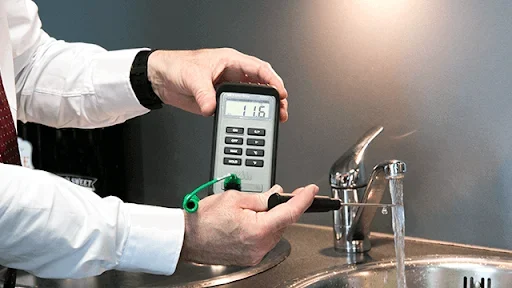
A basic monitoring programme should include monthly temperature checks at representative outlets. This means running the hot tap for one minute and checking that the temperature reaches 50 degrees Celsius, and running the cold tap to confirm it stays below 20 degrees.
Visual inspections of tanks, cylinders, and pipework should be carried out at least annually. Look for signs of corrosion, leaks, damaged insulation, and debris. Record everything in a logbook that can be produced if an inspector asks.
Flushing Infrequently Used Outlets
Any outlet that is not used daily should be flushed weekly. This means running the tap or shower for at least two minutes to clear stagnant water from the pipework. In properties with high turnover or seasonal occupancy, this simple step can make a significant difference.
Preventative Maintenance Strategies
Beyond monitoring, preventative maintenance includes cleaning and disinfecting water tanks, descaling showerheads and taps, and removing dead legs from the system. These tasks require specialist knowledge and equipment, so they are best carried out by a competent professional.
Conclusion
Water safety in residential buildings is too important to leave to chance. The risks are real, the consequences can be severe, and the regulatory framework is clear. For London landlords, the challenges are compounded by ageing infrastructure, complex conversions, and a dynamic rental market.
The good news is that these risks are manageable. Regular monitoring, proper maintenance, and professional risk assessments can identify problems before they cause harm. A Legionella Risk Assessment London property owners trust is not just about compliance. It is about protecting your tenants, your investment, and your reputation.
At Landlord Certification, our qualified assessors understand the specific challenges of London’s residential buildings. We provide thorough, property-specific Legionella risk assessments that give you clear, actionable recommendations. Every assessment is documented and stored digitally for your records, and our team is available to advise on any remedial work needed.
If you are unsure about the water safety status of your properties, now is the time to act. Book a professional assessment and take the first step toward complete water safety compliance.