With a growing focus on renewable energy sources and sustainability, many homeowners in the UK are considering installing solar panels on their properties. You might have noticed the increase in solar panel popularity as you’ve driven around your local area.
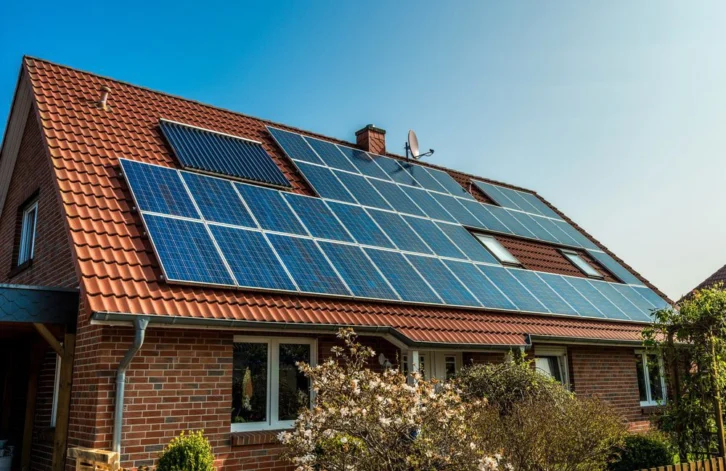
Solar panels harness the power of the sun to generate electricity, offering both environmental and financial benefits. However, like any investment, there are pros and cons to consider when deciding if solar panels are worth it for your UK home.
Let’s delve into the advantages and disadvantages of installing solar panels on your property as a UK resident.
Pros of Getting Solar Panels in the UK
Here are some of the many benefits of getting solar panels installed on your property in the United Kingdom.
Renewable Energy Source
Solar panels utilize sunlight, making it a source of renewable energy. Unlike non-renewable energy sources, sunlight doesn’t run out and will not deplete over time.
The UK receives significant sunlight, even on cloudy days, making solar power a viable option throughout the year. It provides the perfect alternative to non-renewable energy, such as oil, fuel, and gas, to fuel your home.
With solar panels on your property, you can enjoy a more energy-efficient and eco-friendly home and do your part for the environment.
Reduced Energy Costs
Using renewable energy sources to fuel your home can reduce your energy bills. You can create a self-sufficient home by relying on the electrical energy produced by your solar panels, and this means paying less to national energy companies for external supplies.
High-quality solar panels are durable and long-lasting, meaning you won’t need to replace them or fix them regularly. As a result, you can enjoy ongoing energy supplies to your property without forking out expensive repair bills or purchasing brand-new panels in the near future.
Financial Incentives
You can save even more money by applying for one of the grants for solar panels that are available to UK residents. You may be able to access thousands of pounds to support your efforts in becoming more sustainable and switching to renewable energy in your home.
The government offers additional programmes and schemes in the UK to encourage residents to adopt solar panels. The Feed-in-Tariff (FIT) scheme is open for new applicants each year and may provide payments to you for making the switch to renewable energy in your home.
There is also the Smart Export Guarantee (SEG) scheme that enables you to sell excess energy back to the grid if your panels have produced more than you need.
Higher Property Value
Solar panels are a popular commodity nowadays, and installing them on your property could increase its value. Home buyers are now searching for sustainable and money-saving features when they’re on the hunt for properties to purchase.
Having solar panels may earn you more money upon sale and could speed up the process of finding buyers. As a result, you won’t be stuck in a property chain, unable to move homes if you want to in the future.
Cons of Getting Solar Panels in the UK
As with any sort of home-related investment, there are disadvantages and challenges that come along with the installation of solar panels on your property as a UK resident. Below, we’ve covered some of the main issues to consider.
High Initial Investment
Although there are grants to provide financial aid for those wanting to switch to renewable energy, there are still costs associated with installing solar panels on your property. The upfront cost of purchasing and installing solar panels can be substantial, and there is always a risk of repair and replacement costs.
While financial incentives and reduced energy bills help offset this cost over time, it may still take several years to recoup the initial investment.
Weather Dependency
Solar panels rely on sunlight to generate electricity, meaning their efficiency is weather-dependent. Cloudy and rainy days (which are more common than not in the United Kingdom) can reduce their output and leave you without sufficient electricity in your home if you don’t have a backup supply. Plus, solar panels produce no electricity during the nighttime hours.
Installation Restrictions and Space Requirements
Some properties may face installation restrictions due to heritage or planning regulations. It’s crucial to check with your local authorities before proceeding with a solar panel installation, as your home might not meet the legal requirements.
You also need to consider the physical space available on your property. Solar panels are large and heavy, and their installation may require a significant amount of roof space or additional land for ground-mounted panels. If you have a very small house with no outdoor land or live in an apartment block, solar panels probably won’t be suitable.