Most people don’t intentionally damage their home; it usually happens slowly, through habits you barely notice. Over time, though, these small things can cause bigger issues, leading to repairs that are stressful and expensive.
The good news is that most of these problems are preventable, and once you know what to look out for, you can protect your home and keep it in great shape for years to come.
Here are six things many homeowners do without realising the impact.
1. Ignoring Ventilation and Airflow
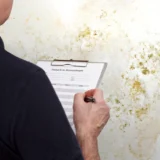
Poor ventilation is one of the quickest ways to invite damp, mould, and stale air into your home. Even if you keep things clean, moisture from cooking, showering, and everyday living can build up quickly.
A few simple habits can make a difference:
- Opening windows for at least 10 minutes a day
- Using extractor fans in kitchens and bathrooms
- Leaving internal doors open occasionally to let air circulate
Ignoring airflow doesn’t just harm your walls and ceilings; it can also affect your health. A little fresh air helps more than most people think.
2. Using Harsh Cleaning Products on the Wrong Surfaces
Not all cleaning products are safe for all materials. Strong chemicals can strip varnish, dull surfaces, or permanently damage flooring and worktops.
Some areas to be particularly careful with include:
- Natural stone (like marble or granite)
- Hardwood floors
- Painted or treated wood
- Stainless steel appliances
Gentle cleaners usually do the job just as well without breaking down the materials in your home. When in doubt, test a small corner first or use a more neutral option.
3. Letting Small Repairs Slide
It’s easy to overlook small issues—a dripping tap, a cracked tile, a loose handle—but these tiny problems tend to turn into bigger ones if left alone. That small drip could become a leak, and that loose tile could cause moisture damage underneath.
Think of small repairs as early warning signs. Fixing them quickly keeps your home healthy and prevents surprise repair bills later.
If you’ve noticed draughts, cracks, or stiff fixtures, it may be time to look into window and door repairs, too. These small fixes can prevent heat loss, enhance security, and safeguard the structural integrity of your home.
4. Overloading Shelves and Cupboards
It’s tempting to store as much as possible out of sight, but cupboards and shelves have weight limits. Overloading them can loosen fixings, pull screws from walls, or even cause shelves to bow or collapse.
Here’s a simple way to approach storage safely:
- Distribute weight evenly, heavier items at the bottom or closer to the wall fixings
- Check wall-mounted shelves regularly for any movement
- Avoid stacking too high, especially in older cabinets or freestanding units
A quick check every few months helps keep storage areas stable and prevents damage you might not notice until it’s too late.
5. Blocking Heating and Cooling Systems
Radiators, vents, and air-circulation systems need space to work properly. Blocking them with furniture, curtains, or boxes forces them to work harder, raising energy bills and wearing down the system.
A few things to keep in mind:
- Don’t push sofas or beds directly up against radiators
- Keep vents free from any clutter
- Clean dust from heaters and fans to avoid overheating
Your home will heat and cool more efficiently when air can flow freely, and your systems will last longer, too.
6. Neglecting the Outdoors
Your home’s exterior protects everything inside it, but it’s also the easiest part to forget. Damage often starts outside and slowly works its way in.
Key areas to keep an eye on include:
- Gutters clogged with leaves or moss
- Cracked pointing or loose bricks
- Fences or gates leaning or rotting at the base
- Overgrown plants sitting too close to the walls
Even something as simple as clearing gutters twice a year can prevent leaks and damp patches on interior walls.
Making Sure You Put the Right Practices in Place
Most damage to a home isn’t caused by big accidents; it’s caused by small things that build up slowly. Paying attention to airflow, cleaning habits, storage, and routine maintenance can protect your house more than you realise.
A little awareness and a few simple habits keep your home strong, comfortable, and easy to look after. And the more you catch early, the less you’ll have to deal with later.