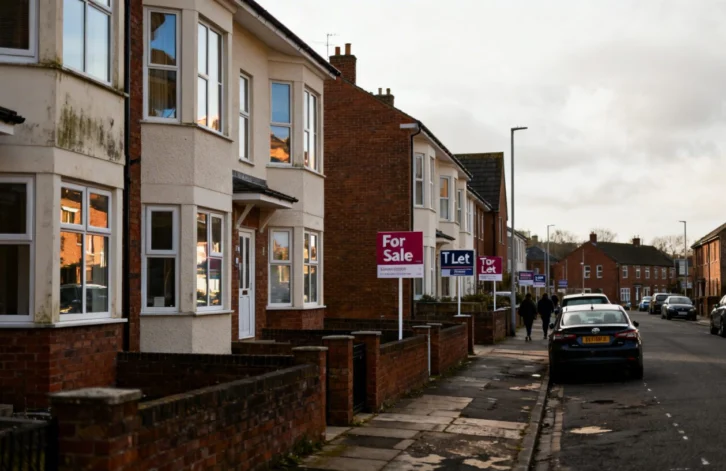
Labour’s proposed £250 annual cap on ground rents may deliver £8.7 billion in windfall gains to buy-to-let landlords, according to analysis by consultancy firm WPI Strategy, raising questions about whether the policy will achieve its stated aim of supporting owner-occupiers.
Martin Beck, Chief Economist at WPI Strategy, said the economic reality of the cap means much of the financial benefit will accrue to property investors, including foreign investors, because a significant share of leasehold homes are already privately rented.
Policy impact on investment markets
The Government announced plans to overhaul the leasehold system in England and Wales in January, with the ground rent cap intended to protect more than five million leaseholders from excessive charges.
However, WPI estimates that reducing ground rents will wipe up to £18 billion from the value of ground rent investments, roughly 0.6% of UK GDP, and reduce business investment by as much as £9 billion annually.
The consultancy also raised concerns about potential impacts on housebuilding, suggesting housing starts could fall by between 15,000 and 20,000 homes per year, particularly in London and the South East, where flat developments rely heavily on long-term investment structures.
Government response
A Ministry of Housing spokesperson rejected the claims, telling GB News: “Ground rent is money for no clear service in return, and in the worst cases, leaseholders face spiralling costs.”
The spokesperson added: “The notion that this cap will harm housebuilding is nonsense, it will reduce costs for leaseholders and make the housing market more efficient by simplifying the buying and selling process.”
The research was commissioned by the Residential Freehold Association. The policy affects leasehold properties across England and Wales, where ground rent arrangements have been a longstanding feature of the property market, particularly for flats.