Suburban gardens across the UK are gradually moving away from high-maintenance lawns as water restrictions and rising household costs reshape homeowner priorities. Drought-tolerant planting schemes are becoming more common in residential areas, reflecting a shift toward outdoor spaces that remain attractive while requiring less irrigation and routine upkeep.
This change is beginning to influence buyer expectations and property presentation standards. Homes with established low-water landscaping are often viewed as more practical long-term investments, particularly in regions affected by recurring hosepipe bans and unpredictable rainfall patterns. Gardens designed with resilient planting schemes can signal lower maintenance demands while supporting biodiversity and consistent seasonal appeal.
Water Scarcity Drives Garden Design Shifts in UK Suburbs
Repeated hosepipe bans across parts of England since 2018 have reshaped expectations surrounding outdoor maintenance. Growing concern over water shortages across parts of England is also shaping how prospective buyers assess long-term garden usability and cost stability. Estate agents working in affected regions note that planting schemes designed for resilience under variable rainfall conditions now attract stronger and more consistent interest.
Homes featuring established low-irrigation gardens frequently stand out during viewings. Buyers may review water consumption patterns or maintenance routines when assessing property suitability. Outdoor spaces that retain visual quality without permanent irrigation systems can signal reduced running costs and more predictable seasonal upkeep. These factors often contribute to a perception of improved value, particularly in suburban areas where gardens form a central part of everyday living environments.
In parts of South East England, sellers have reported improved offer levels after investing in drought-tolerant landscaping. Immediate savings on water use combine with expectations of lower future maintenance expenditure. Developers are also adapting project specifications. New residential schemes increasingly incorporate resilient planting palettes as standard features, reflecting both regulatory awareness and evolving buyer preferences.
Native Plant Selections Reduce Maintenance Costs for Landlords
Investors in buy-to-let properties are paying closer attention to garden maintenance responsibilities when evaluating potential acquisitions. Outdoor areas planted predominantly with native species often demand less intensive care than traditional lawn-dominated layouts. These planting approaches may support local biodiversity while reducing reliance on frequent irrigation and seasonal chemical treatments.
Landlords planning long-term landscape schemes often review plant sourcing options before finalising design decisions. Choosing to buy plants suited to regional rainfall patterns supports healthier establishment rates and helps reduce reliance on higher-maintenance imported varieties. Lower irrigation demands may translate into fewer routine maintenance interventions and more predictable service costs across the tenancy cycle.
Tenants who value environmentally considerate outdoor spaces often report greater satisfaction with gardens designed around wildlife-supporting planting. Hardy perennial borders can replace extensive lawn areas, reducing the need for frequent mowing or watering. When planting choices reflect both climate suitability and proportionate design, overall garden upkeep tends to become more predictable for property managers and occupants alike.
Cost Comparisons Between Traditional and Native Gardens
Comparative observations among property owners suggest that wildlife-focused planting schemes can reduce overall water consumption once vegetation becomes established. Prioritising drought-resilient perennials over expansive turf areas is often associated with more stable annual utility expenditure, particularly as national water supply pressure trends continue to influence how households assess long-term outdoor maintenance commitments. For landlords responsible for multiple properties, these cumulative savings may become financially noticeable over time.
Native planting structures also tend to mature aesthetically without repeated redesign or seasonal replacement. Outdoor environments can develop depth and visual continuity as vegetation settles into surrounding landscape conditions. Garden layouts that favour resilient plant palettes therefore contribute not only to cost management but also to sustained kerb appeal. This combination of practicality and presentation increasingly influences residential property assessments.
Planning Policy Changes Favour Sustainable Landscaping
Planning authorities across England continue to strengthen expectations surrounding sustainable drainage systems within residential developments. Requirements often emphasise permeable surfacing materials alongside planting strategies that assist natural water retention. Developers who integrate drought-resistant landscaping into site proposals may experience smoother progression through planning approval stages.
Some local councils have introduced targeted funding schemes that support the integration of permeable planting structures and rain garden drainage design within existing residential plots. While availability differs between regions, these initiatives indicate broader institutional support for landscape approaches that retain surface water naturally and improve long-term site resilience.
Regional Variations in Garden Preferences
Demand for low-water planting solutions remains most visible in South East England, where prolonged dry periods have increased awareness of irrigation limitations. Northern regions continue to support more traditional garden layouts, although gradual adaptation toward resilient planting styles is becoming evident. Coastal homeowners are also exploring salt-tolerant native species that withstand exposed conditions while maintaining manageable care requirements.
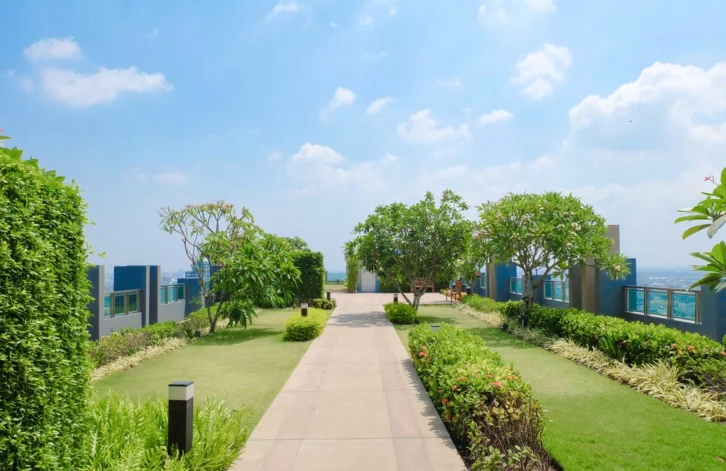
Urban property markets display a slightly different pattern. Compact gardens, courtyard spaces and roof terraces are increasingly designed around structured planting arrangements that rely largely on natural rainfall. Buyers reviewing city properties often favour outdoor environments that balance usability with year-round visual interest.
Across suburban and urban markets, low-water garden design is increasingly viewed as a practical component of long-term property value. As climate pressures continue to shape maintenance expectations and planning standards, resilient planting strategies are likely to remain an important influence on how residential properties are assessed and positioned in the years ahead.