For many homeowners across the UK, the challenge of limited living space has become increasingly familiar. Rising property prices, constrained housing supply, and the costs associated with moving have encouraged families and investors alike to explore alternative ways to maximise the potential of their existing homes. In this context, loft conversions have emerged as one of the most practical and cost-effective renovation solutions.
By transforming underused attic areas into functional living spaces, loft conversions allow homeowners to expand without the disruption and expense of relocating. From additional bedrooms and home offices to leisure spaces and guest suites, the versatility of loft conversions makes them particularly appealing in densely populated urban areas where outward expansion is often restricted.
As housing needs continue to evolve, particularly with the growth of remote working and multigenerational living, loft conversions are increasingly seen not only as a lifestyle upgrade but also as a strategic property investment.
Why Loft Conversions Are Growing in Popularity
The growing demand for loft conversions in the UK reflects broader shifts in how homeowners approach property improvement. Rather than moving to larger homes, many households are opting to optimise existing structures to meet changing lifestyle requirements.
Several factors contribute to this trend:
- Limited space for extensions: In urban and suburban settings, planning constraints or small garden sizes often make traditional extensions impractical.
- Rising moving costs: Stamp duty, legal fees, and estate agent charges can make relocation financially unattractive.
- Flexible living needs: The increase in remote work and hybrid lifestyles has created demand for additional functional spaces within the home.
- Sustainability considerations: Renovating existing structures can be more environmentally responsible than moving to newly built properties.
Loft conversions offer a solution that addresses these challenges while preserving the character and location benefits of established homes.
Financial and Lifestyle Benefits of Loft Conversions
One of the most compelling reasons homeowners consider loft conversions is the potential to enhance both property value and day-to-day living comfort.
Increased Living Space
A well-designed loft conversion can significantly expand usable floor area without altering the building footprint. This additional space can be adapted to suit a wide range of needs, such as:
- extra bedrooms for growing families
- dedicated workspaces for home offices
- creative studios or hobby rooms
- private guest accommodation
By integrating thoughtful design and natural light solutions, loft conversions can create spaces that feel as integral to the home as any existing room.
Potential Property Value Growth
In many parts of the UK, adding an extra bedroom or functional living area can substantially increase a property’s market appeal. Prospective buyers often prioritise flexible layouts and modernised interiors, making loft conversions a strategic improvement from an investment perspective.
While the exact uplift in value varies depending on location and design quality, industry estimates frequently suggest that a successful loft conversion can add significant resale potential.
Avoiding the Costs of Moving
Relocating can involve considerable financial and logistical challenges. Beyond direct expenses, moving often entails disruption to schooling, commuting routines, and community ties. Loft conversions allow homeowners to remain in familiar surroundings while adapting their living environment to changing circumstances.
Lifestyle Enhancements
Beyond financial considerations, loft conversions can contribute to improved quality of life. Creating quiet, private areas within the home supports work-life balance and personal wellbeing. For many households, the psychological benefits of a more spacious, organised living environment are just as valuable as the financial returns.
Planning and Design Considerations
While loft conversions can be highly rewarding, careful planning is essential to ensure a successful outcome. In the UK, homeowners must consider a range of regulatory, structural, and design factors before beginning work.
Building Regulations and Permissions
Most loft conversions fall under permitted development rights, meaning formal planning permission may not always be required. However, building regulations approval is almost always necessary. These regulations ensure that structural integrity, fire safety, insulation, and access standards are properly addressed.
Homeowners should also be mindful of additional requirements if their property is listed, located in a conservation area, or subject to local planning restrictions. Consulting with an architect or planning specialist early in the process can help clarify these obligations and avoid costly delays.
Structural Feasibility
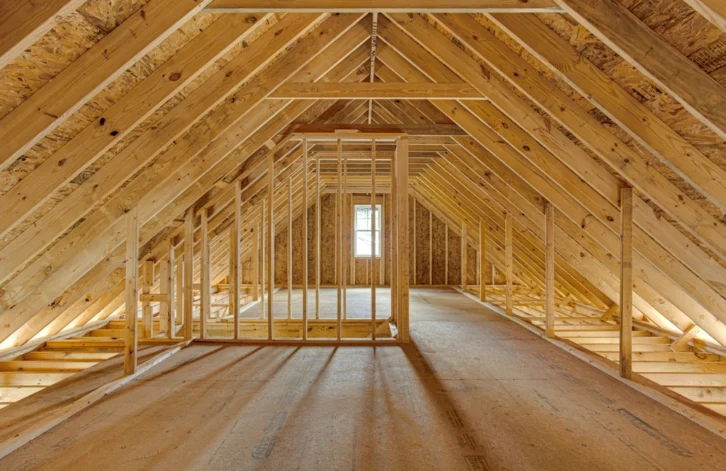
Not every loft space is immediately suitable for conversion. Key considerations include roof height, structural load capacity, and the configuration of supporting walls. Properties with traditional pitched roofs are generally easier to convert than those with trussed structures, which may require more extensive modifications.
A professional structural assessment can identify potential challenges and help homeowners understand the scope of work required.
Budgeting and Design Choices
The cost of a loft conversion varies depending on factors such as size, complexity, materials, and location. Basic conversions may be relatively affordable, while more elaborate designs involving dormers, en-suite bathrooms, or bespoke finishes can significantly increase expenditure.
Design choices also play a crucial role in ensuring the space is both functional and aesthetically cohesive with the rest of the home. Incorporating skylights, clever storage solutions, and energy-efficient insulation can enhance comfort while maintaining visual harmony.
Choosing the Right Contractor for Your Loft Conversion
Selecting a skilled and experienced contractor is one of the most important steps in any loft conversion project. A well-managed build not only ensures compliance with regulations but also contributes to the overall quality and longevity of the finished space.
Homeowners should consider several factors when evaluating potential contractors:
- Proven experience: Contractors with a track record of completed loft conversions are better equipped to manage structural complexities and design challenges.
- Local expertise: Knowledge of regional planning requirements and property styles can streamline project approvals and execution.
- Quality assurance: Transparent project management processes and clear communication help ensure expectations are met throughout the build.
- References and portfolio: Reviewing past work provides insight into craftsmanship and reliability.
For example, homeowners may choose to work with experienced Loft conversion builders in Romford who understand local property styles and planning requirements. Companies such as AP Brothers, which specialise in residential renovations, can help ensure a smooth and well-managed project.
Maximizing Property Value Through Smart Renovation
A loft conversion’s potential to enhance property value depends largely on how effectively the space is integrated into the overall design of the home. Thoughtful planning can ensure the conversion appeals not only to current occupants but also to future buyers.
Key strategies for maximising value include:
- Prioritising natural light: Well-placed windows or dormers can transform an attic into a bright, inviting living area.
- Maintaining architectural coherence: Aligning materials and finishes with the existing property preserves aesthetic continuity.
- Optimising functionality: Designing flexible spaces that can adapt to different uses increases long-term appeal.
- Enhancing energy efficiency: Modern insulation and ventilation systems contribute to comfort and sustainability, which are increasingly valued by buyers.
When executed effectively, loft conversions can offer both immediate lifestyle benefits and lasting financial returns.
Common Mistakes to Avoid
Despite their advantages, loft conversions can present challenges if not approached carefully. Awareness of common pitfalls can help homeowners make informed decisions.
- Underestimating costs: Failing to account for structural changes, design adjustments, or regulatory requirements can lead to budget overruns.
- Neglecting planning research: Overlooking local planning conditions may result in delays or redesigns.
- Compromising on quality: Choosing contractors based solely on cost rather than experience can affect long-term outcomes.
- Poor design integration: Spaces that feel disconnected from the rest of the home may reduce overall property appeal.
- Ignoring future needs: Designing solely for current requirements can limit adaptability as household circumstances evolve.
By anticipating these challenges, homeowners can better navigate the renovation process and achieve more satisfying results.
Conclusion
Loft conversions have become one of the most effective ways for UK homeowners to address space constraints while enhancing property value. By transforming underutilised attic areas into functional living spaces, households can adapt to changing lifestyle demands without the disruption of moving.
However, successful loft conversion projects depend on thoughtful planning, careful budgeting, and collaboration with experienced professionals. When approached strategically, these renovations can deliver lasting benefits, improving both daily living experiences and long-term investment potential.
As housing pressures continue to shape the UK property landscape, loft conversions are likely to remain a practical and appealing solution for those seeking to maximise the value and versatility of their homes.