Fraudulent rental scams targeting tenants are increasing in prevalence across the UK, according to warnings from estate and lettings agents in the East of England.
Paul Buck, Director of Sales and Lettings at Boydens, an Essex and Suffolk-based agency, reported that the issue has reached levels not seen in his 26 years in the property industry. The rise in fraudulent activity coincides with declining rental stock as landlords exit the market ahead of the Renters’ Rights Act coming into force on 1st May.
Common scam tactics
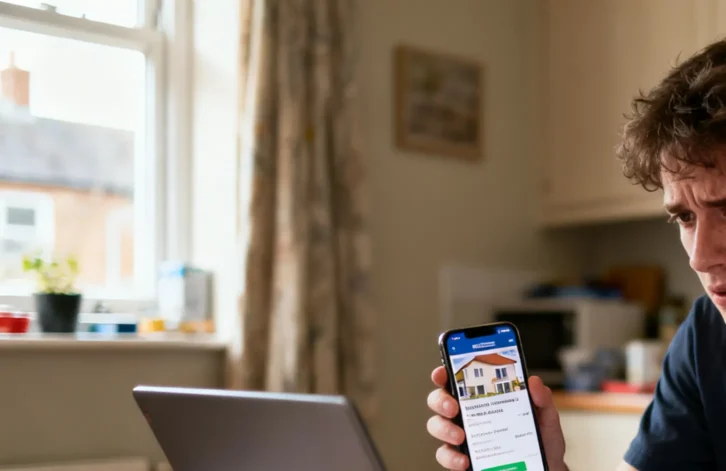
Fraudsters are primarily operating through online marketplaces including Gumtree and Facebook, where they target tenants searching for rental properties. Common tactics include demanding upfront payments of £50 to £100 to demonstrate interest before viewings that never materialise, and requesting holding deposits ranging from £800 to £1,500 to supposedly secure properties.
According to Buck, scammers often copy genuine property listings and advertise them at unrealistically low rents, claiming to be private landlords who avoid local agents. “They often put tenants under huge pressure to act quickly with common phrases being ‘there is lots of interest, so you need to pay today’ or ‘the property will be gone unless you act now’,” he said.
Fraudsters may create email addresses designed to appear similar to legitimate local property agents, and typically provide reasons why properties cannot be viewed in person. Payment requests via personal bank transfers, payment apps, gift cards or cryptocurrency are common warning signs.
Legal framework and platform response
Under current regulations, it is illegal for landlords or agents to charge tenants for property applications, viewings or administration costs. Major property portals have been preparing for the new Renters’ Rights Act requirements, which mandate unique property reference numbers and compliant wording regarding pets, families and benefit recipients.
Gumtree’s Head of Digital Trust & Safety Joseph Rindsland stated that the platform “prioritises the safety of our community and takes rental fraud extremely seriously.” The company encourages users to view properties in person, verify legal paperwork and ownership, avoid handing over deposits under pressure, ensure deposits are placed in government-approved schemes, and report suspicious advertisements.
Facebook did not respond to requests for comment on how the platform is addressing rental fraud ahead of the regulatory changes.
The increase in rental scams adds further pressure to tenants already facing reduced housing availability as market conditions remain challenging across the UK rental sector.