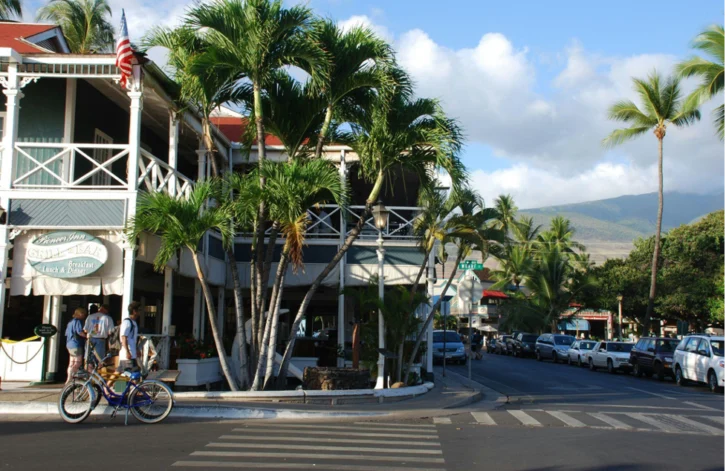
Maui’s property market is continuing to attract both relocating residents and second home buyers as housing demand patterns across Hawaii evolve.
While tourism remains central to the island’s economy, changing work arrangements, housing shortages and shifting investment priorities are influencing how residential property is being purchased and used across several parts of Maui.
The island’s appeal has traditionally centred on lifestyle, climate and resort-driven real estate, particularly in areas such as Wailea, Kihei and West Maui. However, recent market behaviour suggests that relocation demand is increasingly overlapping with the established second home sector rather than operating separately.
Research into Hawaii’s housing market indicates that out-of-state buyers and second-home ownership continue playing a major role in overall housing demand across the islands. The Hawaii Housing Demand report notes that demand includes both local residents and external purchasers, alongside continued demand for second homes and occasional-use properties.
At the same time, Maui’s constrained housing supply and evolving short-term rental regulations are reshaping purchasing strategies among buyers entering the market.
Relocation activity expands beyond traditional retirement demand
Relocation demand in Maui is no longer driven solely by retirees or seasonal residents.
Real estate professionals across Hawaii have reported increasing interest from remote workers, business owners and higher-income households seeking longer-term residence options while maintaining mainland professional connections.
Improved remote working infrastructure has allowed some buyers to relocate without fully disconnecting from employment centres in California, Washington and other western US states.
This trend accelerated following pandemic-era migration shifts but has remained visible even as remote work patterns stabilised.
Unlike purely lifestyle-driven second-home purchases, relocation-oriented buyers are increasingly prioritising year-round liveability, practical residential layouts and long-term housing suitability rather than purely holiday-focused accommodation.
At the same time, Maui’s second-home sector continues attracting buyers interested in flexible occupancy arrangements, especially within condominium developments and resort communities.
Local moving services are adapting to more complex relocations
As relocation activity grows, logistical demand surrounding moves into Maui has also become more specialised.
Inter-island moves, mainland relocations and high-value residential transitions often involve significantly more coordination than conventional domestic moving activity. Property owners relocating to Maui frequently require assistance not only with transport, but also with storage, delivery scheduling, property access management and island-specific logistical planning.
Wailea Movers, a local provider, increasingly handles a broad mix of residential, commercial and long-distance relocation services across Maui and broader.
The operational complexity of Maui relocations is partly shaped by the island’s geography and infrastructure limitations. Transport scheduling, shipping coordination and restricted inventory capacity can all affect move timelines differently from mainland US markets.
This becomes particularly relevant for buyers transitioning from temporary accommodation into permanent residence after completing property purchases.
Some relocating households are also arriving with partially remote work operations, requiring faster setup of home offices, equipment transport and interim storage solutions while permanent housing arrangements are finalised.
Second-home ownership patterns are changing
The traditional second-home market in Maui has also evolved over recent years.
We’ve already shown that second-home owners globally have become more likely to rent out properties for at least part of the year rather than leaving them vacant exclusively for personal use.
This pattern is particularly relevant in resort-oriented markets such as Maui, where holiday rental activity has historically played a major role in property economics.
However, regulatory changes and housing pressure are altering how buyers assess second-home acquisitions.
Maui County has debated significant restrictions affecting transient vacation rentals in response to housing affordability concerns and post-wildfire displacement pressures. Recent studies suggested that thousands of units could potentially shift toward long-term housing supply under proposed regulatory changes.
As a result, some second-home buyers are increasingly focusing on properties suitable for dual-purpose use rather than purely short-term holiday rentals.
This means buyers are often evaluating long-term residential practicality alongside personal occupancy flexibility rather than relying entirely on short-term letting models.
Supply constraints continue shaping the market
Housing availability remains one of the defining issues affecting Maui’s property landscape.
The Hawaii Housing Factbook and broader state housing studies continue highlighting the role of second-home demand, tourism-related ownership and constrained inventory in sustaining pricing pressure across the islands.
In practical terms, limited developable land, infrastructure constraints and regulatory complexity continue restricting large-scale supply expansion.
This has created an environment where both relocating residents and second-home purchasers often compete for similar types of property.
Maui’s condominium market remains especially important because it provides a relatively accessible entry point compared with standalone homes in prime resort areas.
There’s indicated stronger condominium activity even while parts of the detached housing sector experienced slower transaction volumes.
Condos remain attractive because they can serve several functions simultaneously, including full-time residence, seasonal occupancy, retirement planning and flexible long-term accommodation.
This versatility aligns with how many buyers now approach Maui property acquisitions.
Wildfire recovery continues influencing buyer behaviour
The long-term impact of the 2023 Maui wildfires continues affecting housing dynamics across the island.
Beyond the immediate destruction, rebuilding pressures and displacement concerns have intensified discussions surrounding affordability, outside investment and housing access for permanent residents.
Associated Press reporting after the fires highlighted concerns among local residents about increased acquisition activity from wealthier external buyers during the rebuilding process.
At the same time, the fires intensified pressure on already limited housing stock.
This has contributed to increased scrutiny of vacation rental concentration, investor ownership and housing allocation priorities across Maui County.
For relocating buyers, this environment creates a more complicated market landscape than traditional resort-property narratives might suggest.
Housing policy, insurance considerations, rebuilding timelines and local regulatory proposals are all increasingly relevant factors during acquisitions.
Lifestyle demand remains resilient
Despite supply constraints and policy uncertainty, Maui continues attracting substantial lifestyle-driven demand.
The island’s climate, outdoor environment and established resort infrastructure remain highly attractive to both domestic and international buyers. Areas including Wailea, Kapalua and parts of South Maui continue drawing interest from purchasers seeking long-term lifestyle flexibility alongside property ownership.
Property market analysis throughout 2025 also suggested that Maui home values remained elevated relative to historical norms, supported by constrained supply and ongoing buyer interest.
Unlike some speculative second-home markets, Maui’s appeal is reinforced by geographic limitations that naturally restrict large-scale expansion.
This means demand pressure can remain relatively persistent even during broader market slowdowns.
For many buyers, the distinction between relocation property and second home is also becoming less clear-cut.
Some households now divide occupancy between mainland and island locations throughout the year, while others transition gradually from seasonal ownership into permanent residence.
Maui’s housing market is becoming more interconnected
The relationship between relocation demand and second-home ownership in Maui is increasingly intertwined.
Remote work flexibility, limited housing supply, evolving tourism regulation and long-term lifestyle planning are all reshaping buyer behaviour across the island.
Rather than operating as entirely separate categories, relocation-driven purchases and second-home acquisitions now frequently overlap in terms of property type, location preferences and usage patterns.
As Maui continues balancing tourism, housing accessibility and economic growth, these interconnected demand trends are likely to remain a defining feature of the island’s property market.