The Conservative Party is continuing to promote its proposal to abolish stamp duty on primary residential properties, with Shadow Chancellor Sir Mel Stride describing the tax as “the most economically damaging tax” in a recent podcast appearance.
Party leader Kemi Badenoch first outlined the policy at the Conservative Party conference in Manchester last October, positioning it as a measure to support home ownership and increase housing market activity. The proposal has since remained a central element of the party’s housing policy platform.
Market impact and transaction levels
Speaking on Winkworth’s Property Exchange podcast, Stride argued that stamp duty is “bunging up the housing market” and acting as a barrier to transactions. He stated: “Stamp duty damages aspiration and the economy. And this hits the majority of England. It’s not just a London problem. The social consequences are far-reaching, from first time buyers to elderly people living in houses they can’t afford to run.”
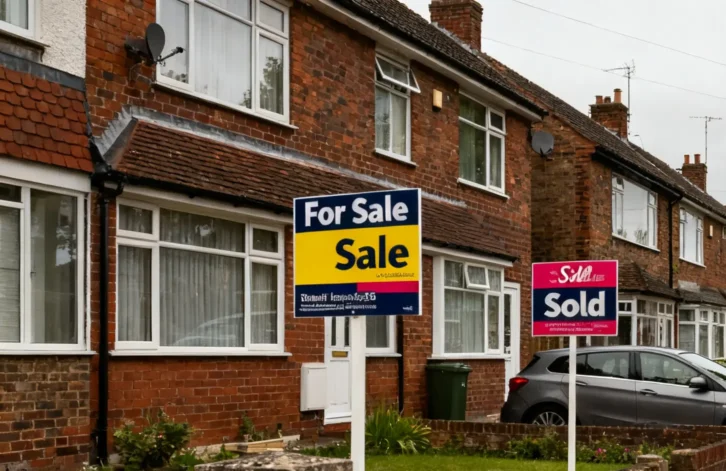
Winkworth chief executive Dominic Agace cited transaction data showing a significant decline in market activity. According to Agace, there were 72,000 transactions last year compared with 140,000 transactions a few years ago. He described the impact as “devastating for the level of transactions and affecting all movement in the property market.”
The figures come as off-plan sales have fallen to their lowest levels in over a decade, reflecting broader challenges in the housing market.
Proposed funding mechanism
Stride outlined how the Conservatives would fund the abolition of stamp duty, stating the party would finance it through “reductions in the benefits bill, reducing the size of the Civil Service to 2016 levels and cutting overseas aid.”
He emphasised that the policy would affect properties across price ranges, noting: “This wouldn’t be a tax cut for the hugely affluent. It would enable people to move at every level of the market. Most people impacted by stamp duty don’t live in London and most transactions are below £500,000.”
The Shadow Chancellor also warned against government policy uncertainty, referencing recent speculation about rental market interventions. “The damage these rumours wreak is serious and long-term,” he said, as landlords continue to exit the rental sector amid regulatory pressures.
Economic implications
Stride argued that property transactions generate wider economic activity, stating: “Every property transaction drives economic activity – for plumbers, builders, retailers and all businesses connected with setting up home.”
Agace described the current situation as constraining market mobility: “We have young families trapped in flats that are too small and elderly people living in one room. They can’t afford the bills and can’t afford to move because they are terrified of losing the money they need for their pensions.”
In March, Stride visited Winkworth’s Pimlico office in central London to discuss the policy with industry professionals. The visit was hosted by Agace as part of the Conservatives’ engagement with the property sector.
The proposal remains part of the opposition party’s policy platform as the housing market continues to face challenges from reduced transaction volumes and affordability pressures.