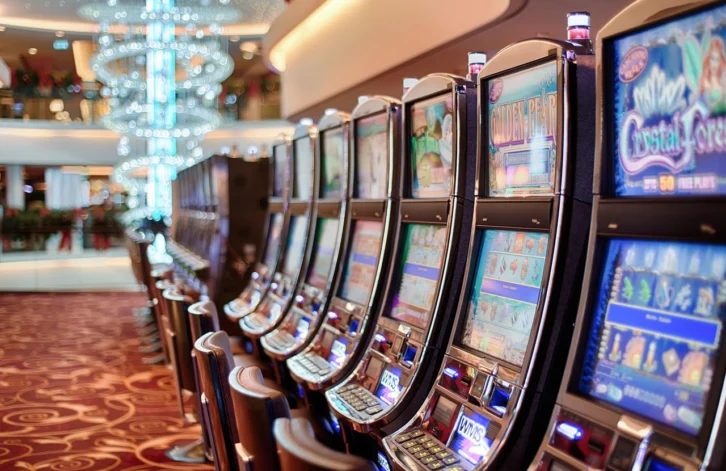
Casino developments often attract attention from property investors, developers, local authorities, and nearby residents. That is because a large casino is rarely just a gambling venue. It can influence tourism, jobs, transport, hospitality demand, retail activity, nightlife, and wider regeneration plans.
However, the impact is not always simple. Casino developments do not automatically increase property values or guarantee strong investor returns. The outcome depends on the location, project size, local infrastructure, planning controls, visitor numbers, and whether the casino is part of a wider regeneration strategy. In some areas, a casino can support commercial activity and help revive underused districts. In others, it may raise concerns about congestion, noise, parking, and late-night activity.
Why Casino Developments Attract Property Market Attention
Casino developments can become important signals in local property markets because they often bring new activity to an area. A major venue may create construction jobs during development and permanent roles once it opens, although the scale of those benefits depends on the size of the project and the existing local leisure market. It may also attract visitors who use nearby hotels, restaurants, bars, cafes, shops, and entertainment venues.
This is why property investors often watch casino-led projects closely. A successful development may increase foot traffic and hospitality demand, especially where visitors also spend time in nearby hotels, restaurants, bars, and retail areas. Developers may also begin looking at nearby sites if they believe the area is becoming a leisure or entertainment destination.
The strongest property effects usually happen when the casino is part of a larger mixed-use district, rather than an isolated building. For example, a casino connected to hotels, public spaces, restaurants, retail units, transport links, and cultural venues is more likely to support wider local activity. By contrast, a standalone casino that keeps visitors inside its own complex may have a weaker impact on the surrounding market.
How Casinos Can Increase Demand for Nearby Commercial Property
Commercial property is usually the first part of the market to feel the effect of a casino development. Hotels may benefit from overnight visitors. Restaurants and bars may attract customers before and after casino visits. Retail, leisure, and entertainment tenants may also become more interested in areas where visitor numbers are expected to rise.
Landlords may respond by repositioning nearby units for hospitality, food and beverage, or leisure use. In some cases, older or underused buildings may become more attractive for conversion if the surrounding district starts to gain momentum. PropertyWire has covered how changing use and regeneration can give previously used buildings a new role in the market, which is relevant when thinking about how leisure-led projects can reshape local property demand.
Still, commercial demand is not guaranteed. If visitor numbers are seasonal, if the casino is poorly connected, or if guests arrive by car and stay inside the venue, nearby businesses may see less benefit than expected. A casino can bring people to an area, but the surrounding streets must still be attractive, safe, and easy to move through if local businesses are going to benefit.
The Residential Property Impact Is More Complicated
The effect on residential property values near casinos is often more mixed than the effect on commercial property. Some housing markets may benefit if a casino development comes with better transport, improved public spaces, new amenities, and wider regeneration. Buyers may become more interested in an area if it starts to feel more active, better connected, and more convenient.
However, homes very close to a casino or late-night entertainment venue may face different concerns. Noise, traffic, parking pressure, congestion, and local perception can affect residential appeal. Families may be more cautious about living close to a busy nightlife area, while younger professionals may be more open to an active city-centre location.
Distance matters. A flat a short walk from improved restaurants, transport, and public spaces may benefit from regeneration. A home directly beside late-night traffic, queues, or noise may not. This is why residential outcomes are often highly localised. The same casino development can support values in one nearby street while creating concerns in another.
Infrastructure and Regeneration Can Shape the Outcome
Infrastructure is often the factor that decides whether casino-led regeneration supports the wider property market or creates pressure on it. A casino that opens alongside better roads, public transport, pedestrian routes, lighting, parking, public spaces, and safety planning is more likely to have a positive local effect.
Good planning helps visitors move through the wider area, rather than creating congestion around one building. Better lighting and pedestrian design can also improve how safe and welcoming the district feels. Public realm improvements may make surrounding streets more attractive to businesses, residents, and investors.
On the other hand, weak infrastructure can limit the benefits. If roads are already congested, parking is poorly managed, or public transport is limited, a casino may create frustration for residents and reduce local support. Casino-led regeneration works best when it is connected to a broader masterplan, not treated as a single attraction that will solve every local market issue by itself.
Online Gambling vs Physical Casino Development
There is also an important difference between land-based casino developments and online gambling platforms. A physical casino can affect property markets because it needs land, buildings, parking, access roads, planning approval, nearby hospitality, and local services. It may influence foot traffic, commercial rents, visitor demand, and residential buyer perceptions. Online gambling does not create the same direct property footprint. By contrast, a UK casino site operates digitally, so its direct real estate footprint is very different from a land-based casino that needs premises, access roads, parking, and local planning approval. This distinction matters because the real estate impact usually comes from physical development, not from online casino activity itself.
Risks Local Property Investors Should Consider
Casino developments can create opportunities, but investors should also think carefully about the risks. Visitor numbers may not meet early projections. Competing entertainment districts may open nearby. Local opposition may delay planning or force changes to the project. Licensing rules, policy changes, economic downturns, and shifts in consumer behaviour can also affect long-term performance.
Another risk is overdependence. If an area becomes too reliant on one leisure anchor, nearby hotels, bars, restaurants, and retail units may struggle if the casino underperforms. Investors should avoid assuming that one major project will automatically support every surrounding asset.
Late-night activity is another consideration. It may help hospitality businesses, but it can also reduce residential appeal if noise, safety, traffic, and parking are not managed properly. The best investment decisions look at both the upside and the possible friction points.
What to Check Before Investing Near a Casino Development
Before buying, leasing, or investing near a casino-led development, review the details carefully. Start with planning applications and approved use classes. Check whether transport upgrades are fully funded or only proposed. Look at parking, traffic, and pedestrian access plans to understand how visitors will move through the area.
Investors should also study the wider development pipeline. Nearby hotel, retail, leisure, and housing projects can show whether the casino is part of a broader regeneration plan or simply a standalone venue. It is also useful to compare residential demand before and after the announcement, review local objections, and check crime, safety, and public realm plans.
Commercial investors should look at leasing demand, tenant mix, footfall expectations, and whether visitors are likely to spend money outside the casino itself. Residential investors should pay close attention to distance, noise exposure, transport access, parking pressure, and the type of buyers or tenants the neighbourhood attracts.
Most importantly, avoid relying only on early marketing claims from developers. A casino may be a useful signal, but it should be assessed alongside local market data, infrastructure commitments, planning quality, and long-term demand.
Final Thoughts
Casino developments can affect local property markets by increasing commercial activity, supporting regeneration, and attracting visitor demand. They may create opportunities for hotels, restaurants, bars, retail units, and nearby mixed-use schemes. In some cases, they can also support residential demand when they are linked to better amenities, transport, and public spaces.
But the impact is never automatic. Residential values, commercial rents, and investor returns depend on location, infrastructure, planning quality, visitor behaviour, and long-term market demand. Property investors should assess casino developments as part of the wider local market, not as a guaranteed driver of growth.