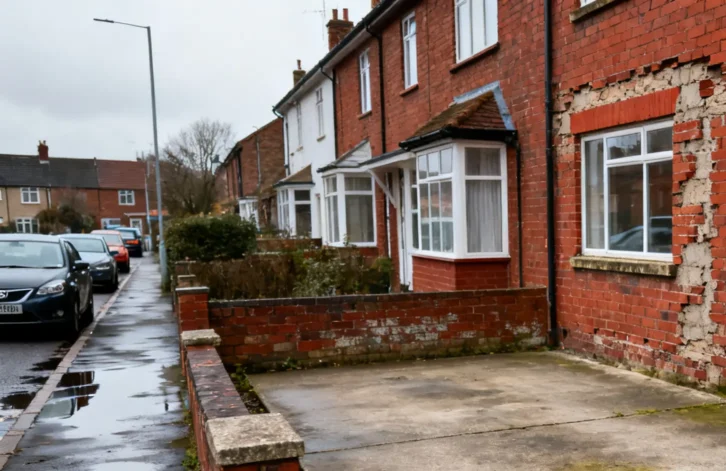
A property agent has been ordered to reimburse a buyer £575 in survey costs after failing to disclose that a property was of non-standard construction, according to a recent case handled by The Property Ombudsman.
The case involved a prospective buyer, identified as James, who made an offer on a property marketed by the agent. After his offer was accepted, James instructed a surveyor who identified that the property was of non-standard construction. James subsequently withdrew from the transaction and complained to the agent before escalating the matter to The Property Ombudsman.
Material information dispute
The agent’s marketing material made no mention of the non-standard construction. James argued this constituted material information that should have been disclosed, claiming he would not have made an offer or incurred survey costs had he been informed earlier. The agent maintained that the non-standard construction only became apparent through the survey and that the property did not appear materially different from a standard build. The agent also noted the property was later sold without issue and declined to reimburse the survey cost.
The Property Ombudsman found that construction type was material information that should have been made available to an average consumer. The investigation determined that features visible in property photographs should have prompted the agent to make further enquiries with the seller and alert prospective buyers to the possibility of non-standard construction.
Implications for property transactions
The Ombudsman concluded that the agent could not have expected James to identify from the marketing information or viewing that the property was of non-standard construction or understand the implications. The fact that the property was later sold successfully did not negate the requirement to disclose material information, according to the ruling.
The agent was directed to pay £575 to reimburse the survey cost. The Ombudsman also noted that James had suffered inconvenience through time spent pursuing a transaction that ultimately did not proceed. The agent failed to respond to requests for additional information during the investigation, with the decision reached on available evidence.
The case highlights ongoing challenges in the property sector regarding disclosure requirements. Similar issues around transparency have emerged across the market, with recent concerns about landlord licensing schemes and broader regulatory developments. The ruling comes at a time when UK house prices have declined for three consecutive months, potentially increasing scrutiny of property transactions.
The case underscores the importance of identifying and disclosing material information at the earliest opportunity in property transactions. Where information suggests a property may be of non-standard construction, agents are expected to make further enquiries and ensure prospective buyers receive clear information.