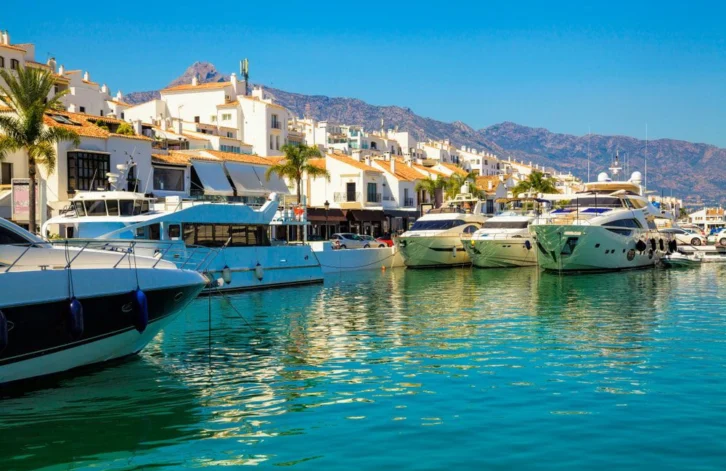
Southern Spain holds a commanding position in the European real estate hierarchy. Recent shifts in buyer behaviour and macroeconomic conditions are prompting significant adjustments within the Costa del Sol housing sector. Remote work flexibility and evolving residency priorities have transformed seasonal holiday retreats into semi-permanent bases. High-net-worth individuals are evaluating the southern Iberian Peninsula through a different lens than they did five years ago, with Marbella sitting at the centre of this transition. Analyzing current market data helps clarify whether acquiring a residence in the region represents a sound financial decision in the current climate.
Analysing Coastal Market Resilience
Market activity along the Andalusian coastline remains remarkably stable compared to broader continental trends. While urban hubs across the European Union have experienced cooling transaction volumes over recent fiscal quarters, premium coastal enclaves sustain their upward momentum. This interest stems directly from an acute shortage of high-tier new-build housing and an influx of international capital seeking secure asset environments. Buyers looking at the luxury sector frequently lean towards modernised villas equipped with smart infrastructure and renewable energy systems, actively preferring turn-key residences that bypass the often lengthy Spanish permitting process. The available inventory has adapted to this shift, meaning properties for sale in Marbella increasingly feature the generous layouts and digital connectivity required for prolonged stays. Consequently, prices for prime real estate have held firm, retaining their value despite broader economic headwinds.
Interest Rates and Yield Potential
Financial mechanics inevitably influence the viability of property acquisitions. Over the last eighteen months, central bank policies across Europe have tightened, raising financing costs for standard residential mortgages. However, a significant proportion of top-tier transactions bypass traditional financing entirely, with cash purchases driving much of the premium volume. When bridging is necessary, Spanish domestic banks continue to provide competitive non-resident mortgages, provided loan-to-value ratios remain conservative.
The yield potential for holiday lettings has expanded as year-round tourism effectively erases the traditional low season along the Costa del Sol. Premium villa owners can secure consistent rental income even during the milder winter months, and investors frequently factor these projected returns into their initial calculations. Capitalising on the high-demand period from May to October, alongside steady winter golf tourism, helps offset ongoing maintenance and taxation costs over the life of the asset.
The Evolving Demographic Landscape
The profile of international buyers acquiring holiday homes is undergoing a structural shift. While the mid-term post-Brexit landscape created initial hesitation among British buyers, that demographic has adapted to new visa regulations by restructuring visitation schedules or securing specific residency pathways. Concurrently, interest from Northern European and North American buyers has rapidly expanded.
Direct flight routes from transatlantic hubs to regional coastal airports have introduced a new buyer pool. These international purchasers view the region not merely as a summer destination, but as a viable lifestyle alternative to more expensive global coastal cities. A stable climate, strong security, and established international schooling options attract families looking to relocate or split their time across multiple jurisdictions. Programs such as the Golden Visa scheme have historically served as a catalyst for high-net-worth migration to the region, maintaining demand despite procedural adjustments at the national level.
Long-Term Value Preservation
Determining the optimal moment to enter the market requires understanding regional development pipelines rather than focusing purely on immediate price fluctuations. Regional geography acts as a natural limit on coastal urban sprawl; flanked by the sea and strict environmental protection zones in the surrounding mountains, the supply of prime constructible land is permanently capped. This scarcity of available plots ensures that existing high-quality stock commands a structural premium.
Buyers waiting for a dramatic market correction often find themselves priced out of the most desirable postcodes. Local planning regulations have tightened, requiring new developments to maintain strict architectural and density standards. This regulatory environment preserves the exclusive character of the area and protects the capital appreciation of existing homes. For those with adequate liquidity and a clear understanding of their lifestyle requirements, acquiring a holiday residence in this Mediterranean enclave remains a stable strategy for diversifying an international property portfolio while securing a tangible lifestyle asset.