UK homeowners are investing in cooling measures as recurring heatwaves challenge traditional property design, with external shading systems emerging as a cost-effective alternative to air conditioning units.
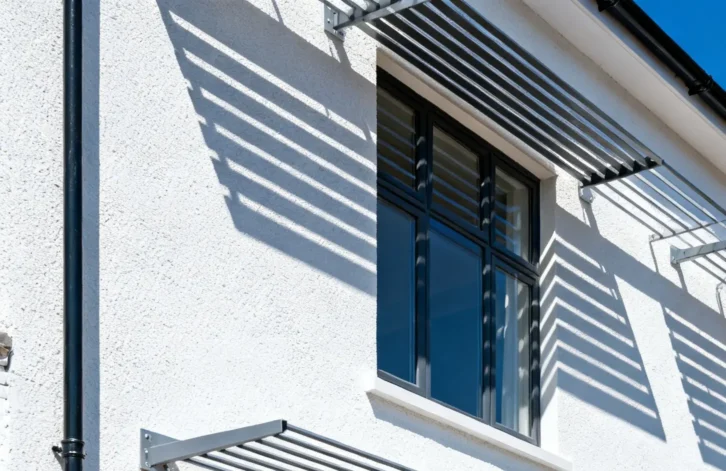
According to Tom Greenhill, an engineer and author of the Heatwave Toolkit website, external shading can reject up to three times more solar heat than internal blinds. “Air conditioning will cool the privileged but will not work for the many – or the environment,” he stated.
Market for cooling solutions expands
The British Blind & Shutter Association reports increased demand for external shading products. Stuart Dantzic, the association’s vice-president, noted: “We don’t heat a building without insulating it so why are we cooling a building, whether that’s with a fan or air conditioning, without shading it first?”
External awning blinds for Velux roof windows range from £80 for manual versions to £530 for electric aluminium shutters, plus £166 for control systems. Installation typically takes 30 minutes for manual versions, though electric shutters require professional fitting. Delivery times currently stand at 12-13 working days for standard models and 18-19 working days for premium products.
The retrofit market has seen property owners prioritising skylights, which receive direct sunlight for most of the day. Velux’s anti-heat blinds claim to reduce indoor temperatures by up to 4C, while blackout shutters promise reductions of up to 5C.
Budget alternatives for renters
Lower-cost solutions have gained traction among renters and budget-conscious homeowners. Repurposed materials such as fitted sheets, priced at £5, can provide temporary shading for skylights. Solar sails, a fabric-based external shading system, are available from £20 for basic models, with specialist yacht sail manufacturers offering versions from £136.
Camouflage nets, available for approximately £10, offer another temporary solution for windows and skylights. These measures appeal particularly to tenants unable to install permanent fixtures.
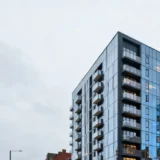
The trend towards larger glazed areas in modern properties, including bifold and patio doors, has increased solar heat gain in residential buildings. Properties with extensive glazing require additional cooling measures, with Greenhill noting: “If your home looks like a greenhouse, it will perform like one, too.”
Property value implications
The cooling requirements may influence property valuations and buyer preferences, particularly as buyers become more selective about property features. Energy efficiency considerations now extend beyond heating to include summer temperature management, potentially affecting properties with poor solar control.
The shift mirrors broader changes in the property sector, where regulatory reforms increasingly focus on building performance standards. External shading systems offer the advantage of seasonal adjustment, unlike permanent solar-reflecting films which remain in place year-round, potentially reducing winter solar gain benefits.
Industry observers note that properties requiring significant cooling retrofits may face additional costs when sold, as buyers factor in the expense of installing adequate sun protection systems. The cooling challenge particularly affects Victorian and older properties not designed for current temperature ranges, as well as modern builds with extensive glazing.