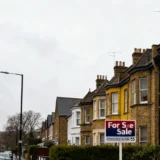
Buyers are taking longer to commit to property purchases despite steady supply levels, according to data from Landmark Information Group covering the second quarter of 2026.
The research indicates listing volumes across England and Wales remained only 1% lower than the same period in 2025, whilst demand showed signs of recovery towards the end of the quarter. However, transaction volumes remain subdued as affordability concerns and geopolitical uncertainty weigh on decision-making.
Supply levels hold firm
Listing volumes remained relatively stable throughout April to June 2026. Compared with April 2025, the number of new listings increased by 1%, whilst June 2026 volumes finished 3% below June 2025 levels.
Sold subject to contract volumes fell 7% on an annual basis, though June recorded the highest monthly figure for new conveyancing instructions in 2026 to date, suggesting demand may be strengthening.
In Scotland, listing volumes declined 9% year-on-year, with sold subject to missives volumes down 6% compared with the same period in 2025.
Completion volumes rose 23% annually, though Landmark attributes this increase to comparisons with last year’s post-Stamp Duty deadline slowdown following the March 2025 cut-off.
Market conditions favour buyers
Ben Robinson, managing director of Landmark Estate Agency Services, said: “Supply has remained resilient throughout the second quarter, with listing volumes only marginally below last year’s levels and healthy stock levels continuing to provide buyers with plenty of choice.”
He added that sellers are increasingly reducing asking prices to attract buyer interest, whilst affordability pressures continue to influence purchasing decisions. The extended decision-making period contrasts with conditions in London’s rental market, where institutional investment remains active.
Market outlook
The data suggests the market is adjusting to higher mortgage rates and political uncertainty following the conclusion of the Stamp Duty incentive period in March 2025. Whilst affordability challenges persist for first-time buyers, the increase in conveyancing instructions during June indicates transaction activity may be stabilising.
The combination of steady supply and cautious demand has created conditions that favour buyers, with increased choice and downward pressure on asking prices. Whether this translates into sustained transaction growth will depend on broader economic factors, including mortgage rate movements and political stability in the coming months.