Angela Rayner has faced criticism following her acceptance of a £20,000 speaking fee from Propertymark, the professional body representing property agents, prompting questions about the government’s stance on rent controls.
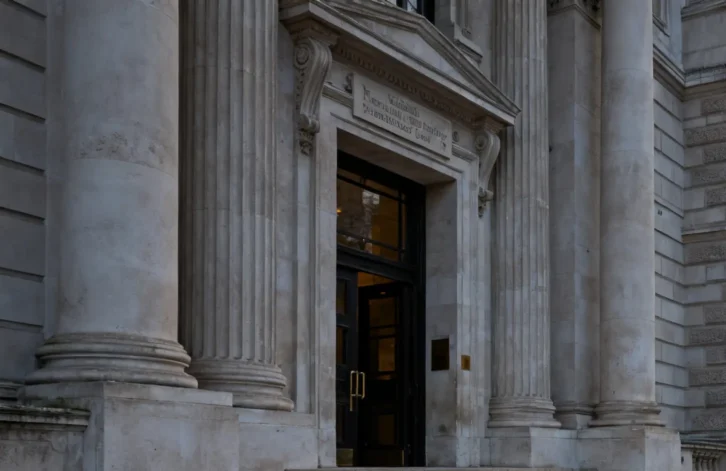
Around 20 members of the London Renters Union gathered outside the Ministry of Housing, Communities and Local Government yesterday morning to present a novelty £20,001 cheque to Rayner. The demonstration highlighted concerns over what campaigners describe as a retreat from implementing rent controls in the private rental sector.
Timeline of events
Rayner received the £20,000 payment for a two-hour speaking engagement at Propertymark’s annual conference on 12 June, before her reappointment as housing secretary on 20 July. Four days after returning to the role, she ruled out rent controls, stating she did not believe freezes or controls were the answer to rising rents.
Propertymark has previously campaigned against rent controls and lobbied against a rent freeze when reports emerged earlier this year that Rachel Reeves was considering the measure. The organisation’s stance on rental regulation has been consistent with broader industry concerns about landlord profitability in the current market.
Policy implications
Prior to her reappointment, Rayner had backed stronger protections for private renters, including a ban on no-fault evictions and measures against unreasonable rent increases. However, shortly after returning as housing secretary, she stated she did not think “rent freezes, rent controls, are a way forward at the moment”.
When the Renters’ Rights Act came into force in May, it limited rent increases to once a year and allowed tenants to challenge above-market rises, but stopped short of introducing a general rent cap. The legislation abolished no-fault evictions and introduced new protections for tenants, though it did not impose broader rental price controls.
Jae Vail, a campaigner for the London Renters Union, said the group was not alleging that Rayner had broken any rules, but that the payment raised political questions. “During a cost-of-living crisis, Rayner has questions to answer about where her allegiances lie — with the estate agents, landlords and corporate developers, or with renters struggling with an ever-worsening affordability crisis,” Vail said.
Industry response
Nathan Emerson, Propertymark’s chief executive, defended the speaking fee as part of the cost of running the organisation’s annual conference. He stated that Rayner was invited because of her role in decisions affecting the property sector, noting she was not a minister at the time of the event.
“There was no indication or expectation that she would subsequently return to government. Her invitation was based solely on her experience and significant role in the development of the Renters’ Rights Bill, and the valuable insight she could provide to property professionals seeking to understand the policy rationale and practical implications,” Emerson said.
The debate comes as the UK housing market faces continued challenges, with rental affordability remaining a key concern for both tenants and property professionals navigating market pressures.
A spokesperson for Rayner confirmed that “all earnings have been declared in line with the rules.” The incident highlights ongoing tensions between rental sector reform and industry concerns about regulatory intervention in the private rental market.