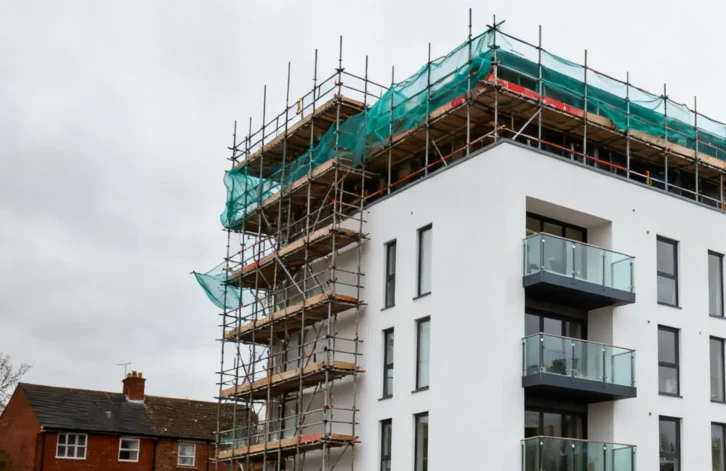
Leaseholders continue to deplete their savings whilst awaiting resolution of the building safety crisis, according to campaigners, despite new government measures introduced to Parliament aimed at expanding financial protections.
More than nine years after the Grenfell Tower fire, which claimed 72 lives, many leaseholders remain liable for remediation costs for defects they did not cause. The ongoing crisis has created significant barriers for property transactions, with numerous flats remaining unsaleable due to building safety concerns.
New legislative measures
The Remediation of the Unsafe Cladding Bill, presented for its second reading on 27 October, sets out expanded protections for leaseholders. The measures address a gap in existing legislation where buyers could miss out on protection based on a previous owner’s circumstances.
Under current rules, protection from building safety bills depends on the circumstances of the person who owned the flat on 14 February 2022. This has left subsequent purchasers exposed to costs even when buying properties as their primary residence. The government is exploring options to narrow this gap.
The legislation also raises the property ownership threshold from three to six properties for coverage of non-cladding defects. Additionally, residents in collectively owned and enfranchised buildings, previously excluded from the Building Safety Act, will receive new funding.
Industry response
A new scheme within the Bill will require construction product manufacturers linked to unsafe cladding and insulation to contribute to repair costs. The legislation imposes a legal duty on responsible parties to remediate unsafe buildings, with criminal penalties and fines up to £500,000 for non-compliance.
Building Safety Minister Baroness Blake stated: “We are going further to protect more homeowners from unfair costs and make construction product manufacturers contribute towards putting things right.”
Nathan Emerson, Chief Executive of Propertymark, said the changes should assist homeowners who have struggled to sell. “Progress on this issue will help remove the barriers faced by many homeowners and leaseholders who have been trapped in a cycle that has made it extremely difficult to sell their properties,” he said.
The measures come amid broader calls for property tax reform to address housing market challenges, as the sector continues to navigate various regulatory pressures.
Campaigner concerns
Building Safety Campaigner Sophie Bichener expressed scepticism about the proposals. “We have been promised new measures, new legislation, for years. And we’re all still waiting and paying while we wait. There are life savings being depleted,” she said.
Bichener added: “I don’t believe this bill will do what we need to see the end of the building safety crisis for good. All leaseholders should be protected from all and any costs to put right historic fire safety defects.”
The legislative changes represent an attempt to unlock a segment of the property market that has remained stagnant due to building safety concerns, though campaigners argue the measures fall short of comprehensive protection for all affected leaseholders. The financial impact on individual leaseholders continues whilst remediation work progresses across affected buildings nationwide.