Eamon Shahir, founder of Taxd
The Autumn Budget is creeping closer, and with it, the likelihood of tax rises. Exactly which taxes are set to increase remains to be seen, but one rumoured levy is a “mansion tax”. If announced, this tax would affect 150,000 homeowners, mostly in the South East of England. Most likely, if this tax was brought in, it would be a 1% tax on the portion of the property’s value above £2 million.
Pitfalls of mansion tax
Although a mansion tax would increase tax revenue for the government, it could potentially bring a host of new challenges.
In some of the most expensive postcodes, the tax could depress prices as agents adjust listings to stay below the limit, creating a ripple effect that affects properties beneath it and risks stagnating the market. For those looking to sell their property, this could mean that they lose money on their investments. Similarly, for estate agents working with high-end properties, this tax could damage their business prospects as properties lose value.
Particularly in London, mansion tax also has the potential to exacerbate the ongoing house crisis. If wealthy people are discouraged from buying properties worth over £2 million, they will likely look at properties in the range of £1 million to £2 million. Obviously, this would make these houses easier to sell but would also increase competitiveness and create issues throughout the market.
Moreover, mansion tax ignores the realities of the housing market. In many areas, house prices have risen sharply so a family home bought a few decades ago on a relatively modest salary may now be subject to mansion tax. This does not take into account the reality of this family’s wealth. Just because they have a house in a now-desirable area, does not mean that they will have high incomes or the means to pay additional taxes. Often, they’re older people living on pensions in family homes they’ve owned for decades. If these people were to be taxed on a percentage of their property value, they could be pushed out of their home and forced to relocate to a cheaper area.
Another cliff-edge tax…
Like income tax, mansion tax would function as a cliff-edge, which is activated once a house price passes the £2 million threshold. This is fundamentally flawed as it punishes wealthy people for being successful and for spending their money on UK property.
Not only this, but people who are subject to the mansion tax have also already paid a higher rate of Stamp Duty. To buy a £2 million house, even first-time buyers will have paid more than £150k Stamp Duty. Therefore, adding mansion tax to properties that have already been subject to higher rates of Stamp Duty may put some people off investing in property altogether.
Pushing wealth abroad
In 2025, Henley and Partners predicted that as many as 16,500 millionaires will leave the UK in search of more favourable tax environments and the mansion tax could further incentivise wealthy people to move their assets abroad.
Combined with the end of the non-dom scheme, many international high-net-worth individuals (HNWIs) may take the introduction of mansion tax as their cue to sell their UK property assets altogether. This could create difficulties for real estate agents who may struggle to sell these prime, luxury properties.
Fairer options
So what are the better options instead of a mansion tax?
Rather than a cliff-edge tax that kicks in above a single threshold, a sliding scale applied more broadly would be more sensible and fair. It would also avoid distorting the market by making certain homes effectively unsellable.
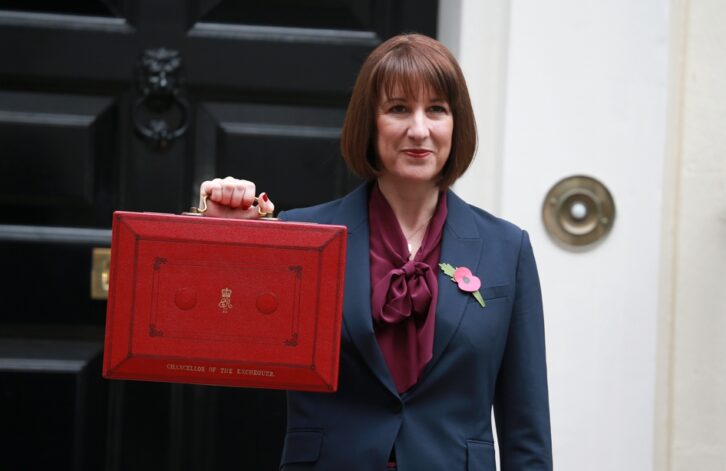
Better still, Chancellor Rachel Reeves could leave property taxes alone and instead focus on areas like taxing global social media giants that profit from UK users, or clamping down on large-scale tax avoidance. Both measures would likely be popular with voters, boosting revenue without penalising wealth or adding pressure on working households.