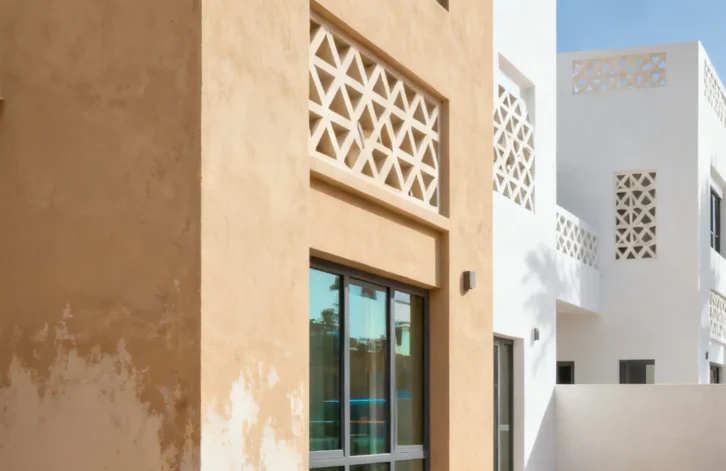
Townhouses in Abu Dhabi are attracting increased interest from property investors and families seeking a middle ground between apartments and standalone villas, according to market observers tracking the UAE capital’s residential sector.
The property type offers a combination of multi-bedroom layouts, private outdoor space and lower entry costs compared to detached villas, while providing more space than standard apartments. This positioning has led to growing demand across several established and emerging residential districts in the emirate.
Key locations for townhouse development
Yas Island remains one of the most established townhouse markets in Abu Dhabi, benefiting from proximity to schools, retail facilities and leisure attractions including Ferrari World and Yas Marina Circuit. The island’s infrastructure and family-oriented amenities have made it a consistent choice for both owner-occupiers and buy-to-let investors.
Hudayriyat Island represents a newer development area, with projects such as Nawayef Villas and Al Naseem Villas targeting the premium family market. The island’s positioning as a lifestyle-focused community with beach access has drawn attention from buyers seeking long-term appreciation potential in less mature districts.
Saadiyat Island caters to the luxury segment, offering townhouses as an alternative to full-scale villas for buyers seeking prestige addresses with beach proximity. The area’s cultural developments and established reputation as a high-end district underpin its appeal to wealth preservation buyers.
Al Reem Island, primarily known for high-rise residential towers, also features select townhouse and podium-home formats that appeal to urban families prioritising proximity to business districts and city centre access.
Investment characteristics
Townhouses typically attract longer-term tenants compared to smaller apartments, including families with children, senior professionals and relocating households. This tenant profile can result in reduced vacancy periods and lower turnover costs for investors.
The property type also benefits from more limited supply compared to apartment stock in many Abu Dhabi districts, which can support price stability during market cycles. Entry costs generally range from approximately £500,000 for smaller units in emerging communities to over £2 million for luxury properties in established premium locations.
Industry professionals note that townhouse investments require careful assessment of factors including community quality, service charges, parking arrangements and school accessibility, which can significantly impact both rental yields and resale values.
Market outlook
Abu Dhabi’s residential market continues to attract corporate relocations, GCC second-home buyers and UAE residents upgrading from apartments. This demand base, combined with the emirate’s family-oriented residential culture, is expected to support continued interest in townhouse properties through the remainder of the decade.
However, as with broader property markets, performance will likely vary significantly by location and community quality. Early-stage master-planned developments may offer entry-point opportunities, though these carry higher execution risk compared to established districts with proven demand and completed infrastructure.
The townhouse segment’s positioning between apartments and villas appears to address specific buyer needs in Abu Dhabi’s market, though individual investment outcomes will depend on location selection, pricing discipline and hold periods. While tenant dynamics differ significantly from UK rental markets, the focus on family-oriented properties reflects broader global trends in residential investment strategies.