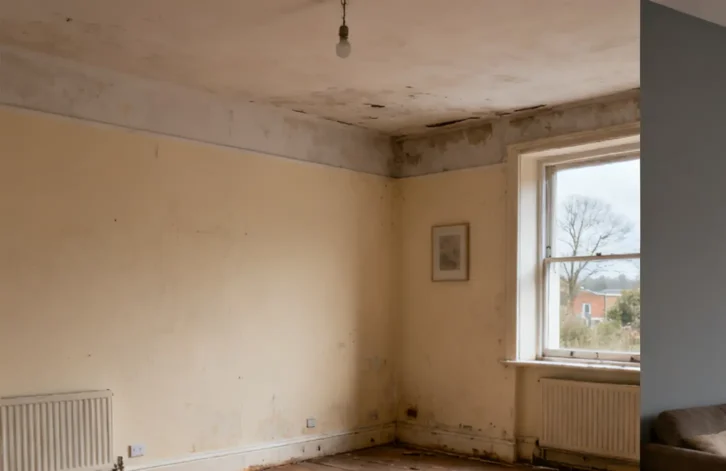
Estate agents are increasingly using artificial intelligence tools to digitally enhance property photographs, from repainting walls to adding non-existent lawns, raising questions about transparency in property marketing.
The practice, which agents describe as helping buyers ‘visualise the potential of a property’, has become more prevalent as AI programs offer quicker and cheaper alternatives to traditional photo editing software such as Photoshop. The trend has prompted discussions among agents, viewers and trading standards experts about appropriate disclosure standards.
Common digital enhancements
Among the most recognisable AI-enhanced images are ‘dusk shots’, which feature properties photographed against digitally enhanced sunset backdrops with vivid orange and violet skies. These images, common across major property portals including Rightmove and Zoopla, typically show properties with artificially brightened interior lighting to create maximum visual impact.
The modifications extend beyond lighting adjustments. Agents report using AI tools to digitally repaint walls, add virtual landscaping including lawns that do not exist, and remove unwanted elements from property photographs. The practice mirrors broader concerns about digital manipulation in online listings, an issue that has also affected seller expectations of agent services.
Industry debate on disclosure
The central question facing the property industry is determining the threshold at which digital enhancement becomes misleading. Whilst minor adjustments such as brightness correction have long been accepted practice, the addition or removal of physical features raises potential issues around misrepresentation.
Trading standards experts indicate that current regulations require property listings to accurately represent what is being sold. However, the rapid advancement of AI technology has outpaced specific guidance on digital enhancement disclosure requirements.
Market implications
The widespread use of AI-enhanced imagery could affect buyer expectations and decision-making processes. Property professionals note that whilst such images may generate initial interest, discrepancies between enhanced photographs and actual property conditions could impact viewings and sales conversions.
The issue comes at a time when the property sector faces various challenges, including rising mortgage costs affecting millions of households. The debate over digital enhancement standards adds another layer of complexity to an already evolving property marketing landscape.
As AI technology becomes more accessible and sophisticated, the property industry faces pressure to establish clear guidelines on the use and disclosure of digitally enhanced images in property listings. The outcome of this debate could shape marketing standards across the sector for years to come.