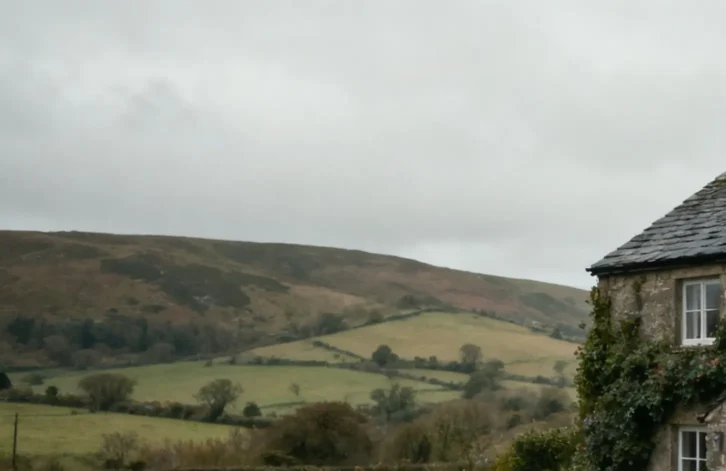
Buyer interest in English countryside cottages has declined by 32% since the start of 2023, according to new data from property portal Zoopla, marking a reversal from pandemic-era demand for rural properties.
The decline in demand has translated into measurable market impacts. Sales of cottages agreed in the first half of this year fell 13% compared to the same period in 2024, whilst the number of cottages listed for sale dropped 9% over the same timeframe.
Price corrections in traditional markets
The average cottage price currently stands at £321,641, representing a 0.3% decline compared to August 2025. This contrasts with the wider housing market, which has seen average prices increase by 1.3% over the past year.
Traditional cottage hotspots have experienced more pronounced price corrections. North Devon recorded the sharpest decline, with average cottage values falling 6.1% year-on-year to £329,118 from £350,494. Cornwall, the country’s largest single market for character cottages and second homes, saw values drop 1.3% to £298,182 from £302,203.
The Isle of Wight, the Cotswolds, and Devon have also registered larger-than-average declines in cottage values.
Market drivers
Zoopla attributes the shift to higher mortgage rates, increased living costs, and additional taxes on second homes. The term ‘cottage’ was the fourth most searched term on the platform in 2024, but the trend has “significantly cooled” since then.
Richard Donnell, Executive Director at Zoopla, said: “Cottages in picturesque rural or coastal areas have commanded strong buyer interest in recent years, but the market reality has now shifted. Higher mortgage rates, extra taxes for second homeowners explains why buyer interest in cottages is down by a third since 2023.”
The shift mirrors broader trends in the property market, where affordability pressures have impacted buyer behaviour across multiple segments.
Buyer’s market emerges
Donnell noted that market conditions have shifted in favour of purchasers. “If you’re a buyer searching for a cottage in Wales, Cornwall or the Lake District, the balance of power has shifted your way. Competition has eased and it’s more of a buyers’ market,” he said.
He advised sellers to “price against today’s market, not three years ago” to avoid extended listing periods.
The cottage market correction represents a significant shift from the pandemic period, when buyers paid premiums for rural properties. Current conditions suggest the market has entered a recalibration phase, with reduced competition and price adjustments creating different opportunities for both buyers and sellers in the countryside property segment.