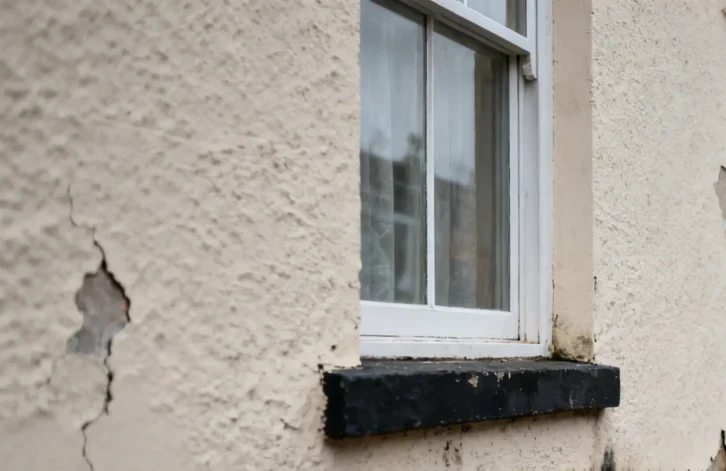
Damp or structural issues would prevent 35% of property buyers from making an offer, according to new research from estate agency brand LRG, whose surveying business operates as MAP Chartered Surveyors.
The findings place damp and structural concerns joint third among the most common reasons buyers cite for not proceeding with a purchase. However, the response varies significantly by buyer demographic.
Experience matters
First-time buyers and family movers show the highest concern, with more than 40% indicating they would walk away from a property with such issues. In contrast, only 25% of downsizers—who typically have owned and maintained multiple properties—would abandon a purchase for these reasons.
Ryan Mathews, Group Managing Director of Surveying at LRG, said buyers most likely to withdraw are those with the least experience in assessing repair costs. “Someone who has owned before tends to know that damp is a symptom rather than a single defect, and that a good deal of what a surveyor reports is manageable and can be priced,” he said. “A first-time buyer usually has neither that experience nor much of a contingency fund, so an unexpected report reads as a reason to walk away.”
Upfront information requirements
The research comes as the Government prepares to introduce reforms to the homebuying system that will require property condition reports as part of upfront information provided to potential buyers.
Neil Louth, Group Executive Director at LRG and CEO of Acorn Group, said the data underscores the importance of professional advice. “Identifying a problem doesn’t necessarily mean a transaction should fail,” he said. “With the right surveyor and specialist support, the issue can be properly understood, quotations can be obtained, and the options for resolving it can be put in front of both buyer and seller.”
Louth added that providing condition information upfront allows more time to find solutions, whether through remedial work, price adjustments, or giving buyers the information needed to proceed with confidence. This approach, he suggested, could prevent manageable issues from derailing otherwise viable transactions.
Market implications
The findings have implications for vendors, particularly in a market where buyer confidence remains fragile. Properties with known defects may need to reflect repair costs in asking prices to avoid transaction failures at the survey stage.
The research suggests that early disclosure of property conditions, combined with professional guidance on remediation costs, could reduce fall-through rates and save both buyers and sellers time and expense in the transaction process.