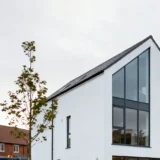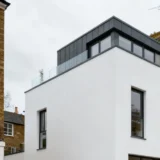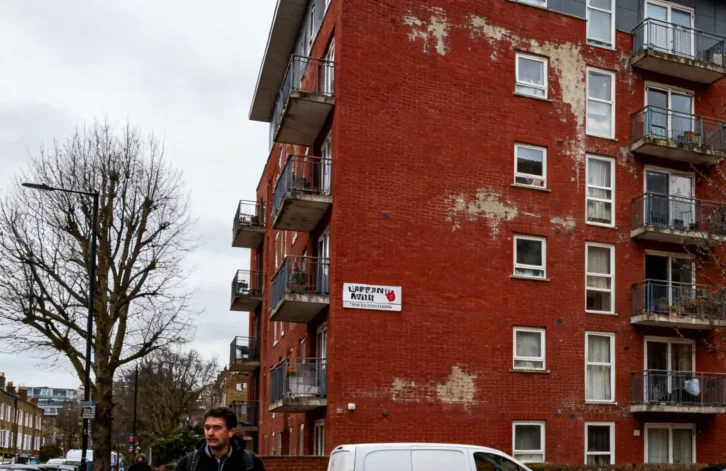
Seventeen leaseholders in an east London residential block have been unable to sell their properties for over a year due to an £850,000 debt owed by the building’s developer to Hackney council, which has remained uncollected for eight years.
The residents at 43 Upper Clapton Road face mortgage lending restrictions after it emerged that developer Restoration Hackney failed to pay Section 106 contributions and community infrastructure levies dating back to June 2017. Under current legal structures, if the developer enters bankruptcy, leaseholders would become liable for the outstanding debt.
Impact on leaseholders
Rich Bell, 38, a resident in the block, was forced to abandon the sale of his one-bedroom flat in 2024 when the buyer’s solicitors discovered the debt. The buyer’s mortgage application was rejected due to the potential liability risk. Bell and his wife now remain in the property with their two-year-old son, unable to expand their living space despite needing additional bedrooms.
The situation highlights broader concerns about leasehold structures that have affected property transactions across the capital. Similar issues with property listings and withdrawal rates have been documented in recent market analysis.
Council response and legal position
Hackney council issued a debt collection notice in October 2018 but took no further action until February 2024, when a second notice was issued. The debt remains unpaid. The council has declined to meet with affected leaseholders or provide a guarantee that it would not pursue them for the freeholder’s debt, citing concerns about setting a precedent for other developers.
A Hackney council spokesperson stated: “We have an obligation to make sure all developers that build in the borough pay to help maintain the services and the infrastructure relied upon by residents. There has been a change of freeholder of the block and neither the previous, nor the current owner has yet paid the amount that is due.”
The council added that it is “exploring further legal options” to recover the outstanding payments but cannot guarantee private developer debts. The situation reflects wider challenges in the property sector, where compliance and regulatory frameworks continue to evolve.
Market implications
The case demonstrates the risks inherent in leasehold property ownership, where leaseholders can face significant financial exposure from developer actions beyond their control. Mortgage lenders have refused to provide financing for any flat in the building, effectively removing all 17 properties from the saleable market.
The building was completed in 2018, with the debt triggered after the 14th flat was sold in June 2017 according to the terms of an agreement between the council and Restoration Hackney. The developer did not respond to requests for comment.
The situation in Hackney adds to growing concerns about leasehold reform and developer accountability in the UK property market, with leaseholders bearing financial consequences for unpaid obligations they did not incur.