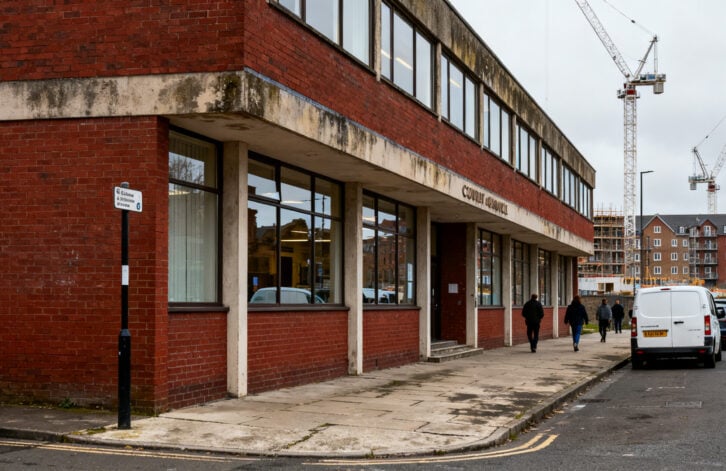
Local authorities in England and Wales are holding more than £9bn in developer contributions intended for infrastructure including schools, public transport, and affordable housing, according to research by the Home Builders Federation (HBF).
The total comprises £6.6bn from Section 106 agreements and over £2.2bn raised through the Community Infrastructure Levy (CIL). Based on a Freedom of Information survey of 243 local authorities, the research reveals that approximately £3bn of the unspent funds has been held for more than five years, despite many agreements specifying that the money should be used within that timeframe.
The figure exceeds government spending on Affordable Housing grants, which is expected to be around £2.5bn to £3bn annually for the remainder of this Parliament. On average, councils hold £19m in unspent Section 106 contributions and £13.9m in unspent CIL funds.
Concentration in specific authorities
The issue is particularly concentrated in a small number of authorities. The London Borough of Tower Hamlets holds over £260m in unspent developer contributions—nine times the national average on a per-household basis.
Unspent developer contributions in England and Wales have increased by £800m, or 9%, since the last report in mid-2024. Of the estimated £9bn currently held by councils, almost £3bn has been retained for more than five years. Within this total, £700m is earmarked for affordable housing and £2bn for schools.
Compliance with reporting on unspent contributions has declined from 90% in 2020 to 75% in 2025. Developer contributions form part of the planning permission process and account for around 46% of local government spending on housing and communities, according to the Competition and Markets Authority.
Healthcare and infrastructure delays
The research highlights £320m in developer contributions intended for new healthcare facilities that remain unspent. This includes around £128m held by 17 NHS Integrated Care Boards, which received the funds from councils. In some cases, requests by ICBs to access the earmarked funds have been refused or ignored.
In Hammersmith and Fulham, which holds the highest level of unspent affordable housing contributions at £30.5m, average house prices are sixteen times average earnings, making it the fourth least affordable district in the country.
Many local authorities cite pre-allocated funding structures and limited staffing as reasons for delays. A third of Section 106 contributions have now remained unspent for more than five years, up from a quarter in 2024.
Transparency concerns
An increasing number of councils are failing to publish Infrastructure Funding Statements (IFSs) by the statutory 31 December deadline. IFSs, which detail receipts, spending plans, and unspent funds, are the main way communities can scrutinise how developer contributions are used.
The HBF welcomed recent government announcements, such as the Final Local Government Financial Settlement, which will help local authorities boost capacity. However, the £9bn in unspent developer contributions remains around 55% higher than the £5.8bn of new investment announced for local services.
Neil Jefferson, chief executive of the HBF, said: “The balance of unspent developer contributions rising to £9bn in local authority accounts provides further evidence of a capacity crisis in local government and should be a major cause of concern for local communities and for ministers.”
The HBF is urging the government to support councils in achieving sustainable financial footing and strengthen transparency and accountability. The federation suggests unspent Section 106 and CIL funds should be taken into account when councils object to new planning applications on infrastructure grounds.
Conclusion
With the government aiming to deliver 1.5 million new homes during this Parliament, the £9bn held in council accounts represents a potential funding source for infrastructure improvements. The rising balance of unspent contributions continues despite overall contributions falling in line with reduced housing supply.