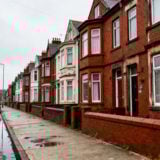
‘Unfortunately, we are all used to seeing spectacular photographs of streets flooded with water where the water level has risen to half the height of the front door. This has occurred in many parts of the UK in the past few months, with recent reports suggesting the flood woes are set to continue as river and groundwater levels continue to rise,’ said chartered building surveyor Roy Ilott.
‘In these circumstances, the damage is apparent and it is necessary to ensure that vulnerable elements of the structure and all of the heating, plumbing and electrical services are inspected and tested,’ he pointed out.
‘It should be noted that water can have an effect which may not manifest itself to the electrical cables and fittings for several months or until the corrosion has started to affect the contact points. Moisture can be in buried ducts for many months before damage is really apparent,’ he added.
RICS says that where walls have become saturated, it is necessary to remove the plaster, because this will contain damp, salts and chemicals that will prevent the wall from drying out. The wall may take many months to dry out and this will depend on its thickness and construction.
Also, any insulation within the cavity may have slumped as a result of becoming saturated, and it may be necessary for this to be removed and replaced to restore the original insulation levels.
Old walls frequently had timbers built within the thickness to provide fixings for subsequent joinery, such as dado rails or skirtings. It may be necessary to have these removed where the walls have become totally saturated and the condition, at the rear face of the timber, will not be apparent from the front.
The extent of any flooding may not always be apparent if it has risen up through the ground and has entered an under floor void but not appeared above the floor board. In this case, damage may well be caused to timbers below floor level, or to electrical services run over the floor slab.
In most cases an inspection of fairly inaccessible places may be advised. RICS points out that a chartered building surveyor will provide the appropriate level of expertise and a report to allow a full and detailed consideration to be made and presented to the insurance company.