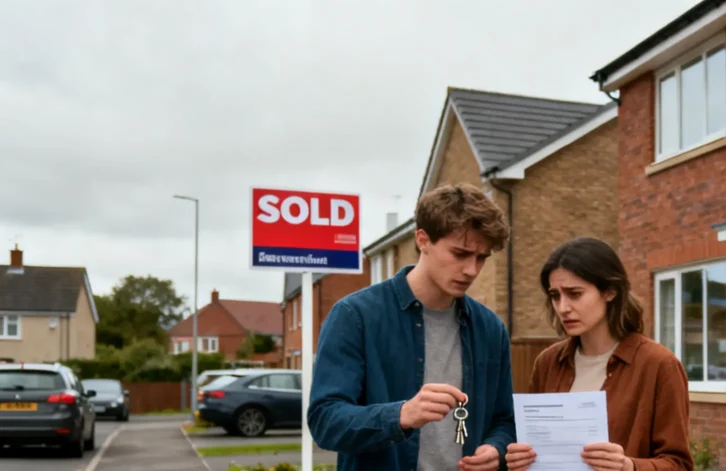
Thirty per cent of first-time buyers in England purchased homes exceeding £300,000 in 2026, double the proportion recorded a decade ago, according to analysis by Connells Group. The increase marks the highest level on record and represents a significant shift in the tax burden facing new homeowners.
The trend has accelerated following changes to stamp duty thresholds introduced in April 2025. Prior to the reforms, only 10 per cent of first-time buyers were purchasing above the previous £425,000 nil-rate threshold. The reduction has particularly affected buyers in southern England, where property values routinely exceed the new relief limits.
Regional variations
London remains the most affected region, with 78 per cent of first-time buyers now purchasing above £300,000 and therefore liable for stamp duty. The average stamp duty bill for first-time buyers in the capital stands at £12,690. Outside London, 40 per cent of first-time buyers in the East of England and 38 per cent in the South East are also purchasing above the threshold.
The impact is extending to traditionally more affordable regions. Fourteen per cent of first-time buyers in the North West and 13 per cent in the West Midlands now pay stamp duty on their purchases, indicating a broader geographical spread of the tax burden.
Negotiation patterns emerge
Despite the additional tax burden, first-time buyers appear to be securing larger discounts from sellers. Since the end of the stamp duty holiday in March 2025, asking prices for homes purchased by first-time buyers have increased by 5 per cent, while the average price paid has risen by just 0.7 per cent.
The data shows first-time buyers paid an average of 96.9 per cent of the asking price in May 2026, compared with 97.9 per cent before the stamp duty changes, resulting in an average saving of £2,690 per purchase. More than a third of first-time buyers making offers on homes initially listed above £500,000 negotiated the agreed sale price down to £500,000 or below, allowing them to remain eligible for first-time buyer stamp duty relief.
This behaviour reflects broader market adjustments as buyers respond to changing cost structures in the housing market.
Aneisha Beveridge, research director at Connells Group, said: “For a growing number of first-time buyers, getting onto the housing ladder means saving for more than just a deposit. Stamp duty is becoming a bigger part of the upfront cost of buying, particularly as more people purchase their first home later in life and opt for larger, more expensive properties that can meet their needs for longer.”
She added: “The end of the previous stamp duty holiday in April 2025 has been particularly painful in London and the South, where the reduction in thresholds has pulled a much wider share of new homeowners into paying tax. In the capital, especially, even some of the most modest two-bedroom flats are being caught, while high transaction costs are also encouraging more first-time buyers to future-proof their move, rather than risk a more expensive step up later.”
Market distortions
Beveridge noted that weaker market conditions have given first-time buyers more room to negotiate, with many using this leverage to avoid paying full stamp duty rates. “That also highlights how these cut-offs can distort behaviour. With nearly half of purchases in the capital being made by a first-time buyer, the £500,000 limit where first-time buyers lose all their relief is increasingly shaping the pricing of homes coming onto the market,” she said.
The findings suggest stamp duty thresholds are influencing both buyer behaviour and property pricing strategies, particularly in areas where values cluster around the relief limits. The data indicates that tax policy continues to shape market dynamics beyond its intended revenue-raising function.