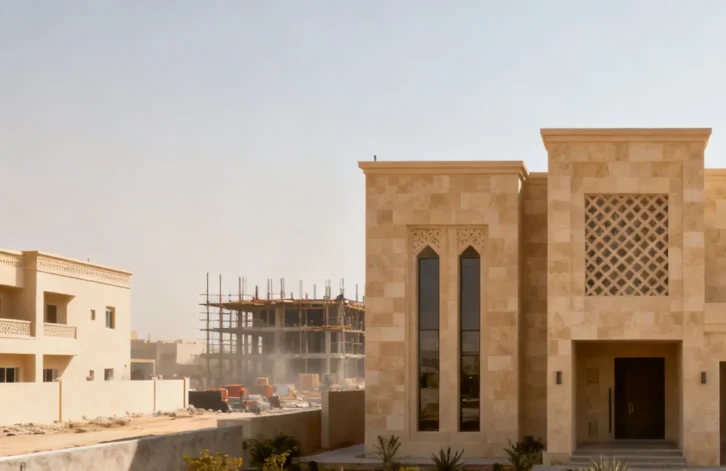
Riyadh’s residential property market is undergoing significant transformation as Saudi Arabia’s Vision 2030 initiative drives infrastructure investment and policy changes aimed at attracting international capital and residents to the capital.
The city’s villa sector, historically dominated by domestic buyers, is now drawing attention from international investors as the Saudi government encourages foreign property ownership and corporate headquarters relocations to Riyadh.
Policy shifts and market access
Saudi Arabia’s gradual opening to foreign property ownership represents a structural shift in market dynamics. Previously, international buyers had minimal access to Riyadh’s residential market, particularly in the villa segment. Recent regulatory changes have expanded eligibility for freehold purchases in designated developments.
The government’s requirement for multinational companies to establish regional headquarters in Riyadh is creating demand from executives and high-net-worth individuals seeking larger residential properties with private outdoor space and enhanced security features.
Major development projects
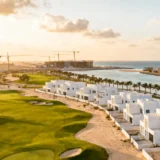
Several large-scale projects are reshaping Riyadh’s residential landscape. Diriyah, positioned as a cultural and heritage destination, includes Wadi Safar, a low-density area featuring golf communities and gated villa developments. The project emphasises protected valley landscapes and limited supply through intentionally exclusive planning.
Within Wadi Safar, developments such as Rayana, associated with the Trump brand, target ultra-high-net-worth buyers. The project combines branded positioning with golf and hospitality infrastructure. Altara offers plot ownership in premium locations within the masterplan, whilst Amara focuses on customisable estate development for buyers seeking architectural flexibility.
Sedra, another major residential project, is being developed as an integrated community spanning thousands of units. The development includes Neptune Villas by Mouawad, marketed as among the early branded freehold villa opportunities accessible to international buyers in Riyadh.
Infrastructure investment
Riyadh’s infrastructure expansion includes projects such as New Murabba, described as one of the world’s largest urban developments, encompassing residential, hospitality, entertainment and commercial zones. King Salman Park is planned as a major urban green space, whilst the Riyadh Metro aims to improve citywide connectivity.
These infrastructure projects are expected to influence property values in surrounding areas, particularly in premium residential zones. Transport links and lifestyle amenities historically correlate with residential demand in urban markets globally.
Population and economic growth
Riyadh’s population is projected to expand significantly through 2030, supported by economic diversification efforts and business activity growth. The concentration of wealth in expanding business hubs typically supports demand for higher-end residential property.
The city’s economic transformation includes expansion in tourism, entertainment, hospitality and financial services sectors. Luxury hospitality brands entering the market contribute to perceptions of service standards and lifestyle quality.
Market structure and supply
Villa developments require substantial land and infrastructure investment compared to apartment projects, naturally constraining supply. In Riyadh’s context, where family-oriented living and privacy preferences remain culturally significant, villas maintain structural demand advantages.
The availability of premium villa stock in central or well-positioned locations remains limited relative to projected demand growth. As the city expands, land availability in established luxury districts becomes increasingly constrained.
Industry observers note that branded residential developments globally tend to attract both end-users and investors due to design standards, international recognition and hospitality service integration. Riyadh’s market is entering this development phase, with several projects incorporating global brand partnerships.
International capital flows
The opening of Saudi Arabia’s property market to foreign buyers is altering investment patterns. International investors are exploring opportunities in Riyadh, Jeddah and branded residential projects, with particular interest in developments offering scarcity positioning or prime locations.
Global capital flows in real estate markets typically concentrate in assets with limited supply, established brands and locations benefiting from infrastructure investment. As international awareness of Saudi Arabia’s market grows, premium villa communities may experience increased pricing pressure.
Market outlook
The period leading to 2030 is viewed as potentially transformative for Riyadh’s property sector. Factors including international recognition through tourism and sports investment, rising wealth concentration from business growth, and hospitality expansion are expected to support residential demand.
The gap between existing residential stock and international-standard luxury product remains notable. High-quality villa developments are relatively limited compared to anticipated demand over the coming decade, which could support pricing for well-positioned projects.
Market participants suggest that timing advantages may exist for investors entering during infrastructure expansion phases and early internationalisation periods, before cities reach full maturity as recognised luxury destinations. Whether Riyadh follows patterns seen in markets such as Dubai, Singapore or other cities that transitioned from regional to international significance remains to be determined.
The villa market’s performance will depend on sustained infrastructure delivery, continued policy support for foreign investment, population growth materialising as projected, and the successful completion of major developments currently in planning or construction phases. Recent shifts in rental markets globally demonstrate how regulatory changes can impact property dynamics, whilst the importance of professional standards in emerging markets continues to gain attention from industry bodies.