International schools following the British curriculum are emerging as a significant factor in residential property demand across Riyadh, as Saudi Arabia’s Vision 2030 continues to attract multinational corporations and skilled professionals to the capital.
The pattern mirrors developments in established expatriate markets such as Dubai, Abu Dhabi, London and Singapore, where proximity to premium educational institutions has historically influenced residential property values and community development.
Educational infrastructure expansion
Several British curriculum schools now operate in Riyadh, including the British International School Riyadh (BISR), Reigate Grammar School Riyadh, Aldenham Prep Riyadh, and Downe House Riyadh. The most significant recent development is the planned King’s College School campus within the Sedra master-planned community, developed by ROSHN.
King’s College School, with a 200-year heritage in the United Kingdom, will offer a complete educational pathway from pre-school through to college. The campus will include science and technology laboratories, performing arts centres, and sporting facilities.
Property market implications
The concentration of British curriculum schools is influencing residential property decisions for both expatriate and Saudi families. According to the original analysis, this educational infrastructure is creating measurable effects on property demand in specific areas of Riyadh.
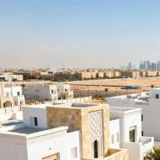
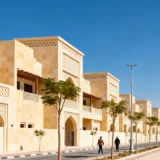
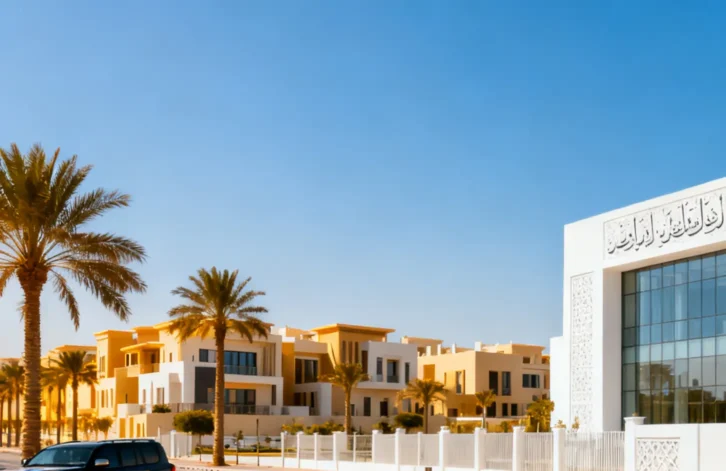
The Sedra development, which incorporates schools, parks, retail destinations, healthcare facilities and community spaces, is positioning itself as a family-focused community. Neptune by House of Mouawad, described as the first fully freehold villa community in this area, offers properties ranging from SAR 4 million to SAR 7 million, with sizes between 300 and 350 square metres.
Comparative market analysis
The development follows patterns observed in Dubai’s residential market. Communities such as Dubai Hills Estate and Arabian Ranches experienced sustained demand growth following the establishment of educational infrastructure, attracting owner-occupiers and supporting long-term property values.
Similar dynamics have been observed in London’s property market, where school catchment areas continue to influence residential pricing, though recent data shows price pressures in some inner London segments.
The trend extends beyond mid-market properties. Even within ultra-luxury segments, access to quality education remains a consideration for high-net-worth families making residential decisions.
Vision 2030 context
Saudi Arabia’s Vision 2030 economic diversification programme is driving population growth in Riyadh through business development and foreign investment initiatives. This demographic shift is increasing demand for international standard education and associated residential communities.
The British curriculum remains among the most widely recognised educational systems globally, offering qualifications accepted by universities internationally. For expatriate families, British schools provide educational continuity, while Saudi families gain access to internationally recognised qualifications.
Industry observers note that educational infrastructure development is occurring at an earlier stage in Riyadh’s market evolution compared to more mature markets. This timing difference may create distinct investment dynamics, though the relationship between schools and residential demand follows established patterns seen in other global cities.
The Kingdom’s property market is also experiencing broader regulatory developments, with government reform initiatives shaping the investment landscape across multiple jurisdictions.
Market outlook
The expansion of British curriculum schools in Riyadh is contributing to the development of family-oriented residential communities. Property developments near established and planned educational facilities are attracting attention from both local and international buyers.
As Riyadh’s international population grows, the interaction between educational infrastructure and residential property demand is expected to strengthen, following patterns established in other global cities with significant expatriate populations.