Saudi Arabia’s Red Sea coastline is attracting increased attention from international property investors, with Jeddah emerging as the primary access point for residential investment in the region. The city’s established infrastructure and proximity to major tourism developments are positioning it as a key beneficiary of the Kingdom’s Vision 2030 economic diversification strategy.
Gateway city benefits from coastal development
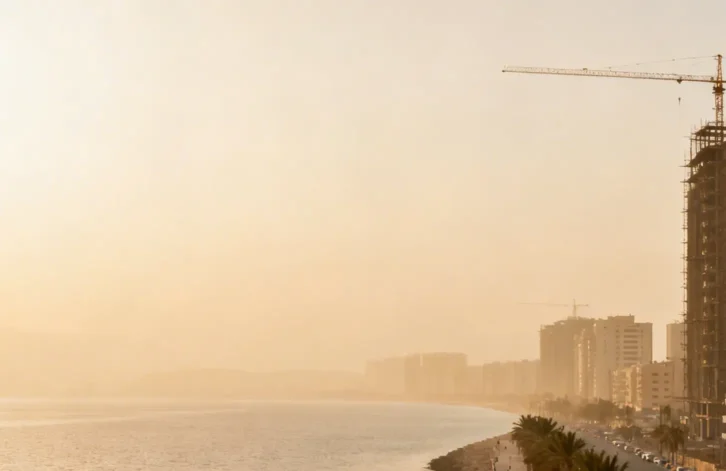
Jeddah serves as the main urban hub for Saudi Arabia’s western coastline developments, functioning as the primary arrival point for visitors to Red Sea tourism projects. The city’s existing commercial infrastructure, port facilities, and aviation connections to Europe, Africa, and Asia provide a foundation that newer coastal developments lack.
The city also serves as a transit point for religious tourism to Makkah and Madinah, creating sustained demand across multiple economic sectors. Government investment in waterfront redevelopment, infrastructure upgrades, and master-planned communities along the northern coastline is expanding residential options.
Branded residences and master-planned districts
The Jeddah market is seeing growth in branded residential developments associated with international hospitality operators, as well as large-scale master-planned communities integrating residential, commercial, and leisure components. Projects including Four Seasons Private Residences, Trump Plaza Jeddah, and Amaya represent different segments of this development trend.
These developments follow a pattern observed in other markets where major infrastructure projects near established cities can accelerate property appreciation, driven by improved accessibility and increased international profile.
Foreign ownership framework expanding
Regulatory changes in Saudi Arabia are creating structured pathways for international property ownership, particularly in Jeddah and Riyadh. Freehold ownership is becoming available within designated projects and master-planned developments, allowing foreign buyers to own property outright.
Investment thresholds are being linked to residency incentives, similar to digital compliance systems being implemented in other markets to streamline international property transactions. The expansion of foreign ownership rights represents a shift from historical restrictions on international participation in Saudi property markets.
Market fundamentals and investment considerations
Jeddah’s permanent population, supported by employment, education, healthcare, and commerce sectors, creates consistent housing demand across different price segments. Waterfront property along the Corniche and northern coastal zones faces supply constraints due to geographical limitations.
The city’s established market provides transaction volumes and resale activity that support liquidity, a factor that distinguishes it from newer tourism-focused developments with limited residential components. While some markets are implementing rental restrictions, Saudi Arabia is focusing on expanding investment access.
Tourism impact on residential demand
Increased visitor numbers to Red Sea destinations are expected to drive demand for serviced apartments, branded residences, and second homes in Jeddah. The city’s role as a logistical hub for coastal tourism developments creates both direct demand from tourism-related activities and indirect demand from business expansion and population growth.
Investment strategies in the market typically focus on waterfront or branded assets, early-stage entry into master-planned developments, and projects with transparent ownership frameworks and clear delivery timelines.
Outlook
Jeddah’s position as Saudi Arabia’s second-largest city and main Red Sea urban centre places it at the intersection of existing demand and projected growth from Vision 2030 initiatives. The combination of established infrastructure, expanding foreign ownership rights, and proximity to major tourism developments distinguishes it from other emerging markets in the region.
The city’s development trajectory remains tied to the broader success of Saudi Arabia’s economic diversification programme and the performance of Red Sea tourism projects currently under construction.