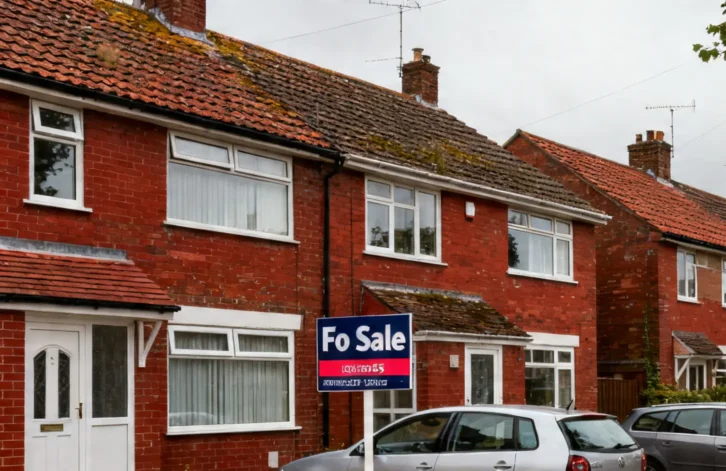
Property listings in England have increased by 6.3% since the start of the year, according to new data from hybrid estate agency Yopa, potentially shifting the balance of negotiating power towards buyers in what has been a supply-constrained market.
The research indicates that 471,619 homes are currently listed for sale in England as of March, representing an annual increase of 3.3% compared to March 2025.
Regional variations in supply
The data reveals significant regional variations in listing growth. Bristol has seen the largest increase with 16.7% more properties for sale than at the start of 2026, followed by Hertfordshire at 16.1%, Surrey at 15.5%, Buckinghamshire at 14.9%, and Wiltshire at 14.1%.
Other counties recording double-digit growth include Berkshire at 12.6%, Cambridgeshire at 12.5%, Hampshire at 12.2%, Oxfordshire at 12.2%, and Bedfordshire at 11.3%.
However, not all regions have experienced growth. Five counties saw listing numbers decline: Staffordshire dropped 1.6%, Shropshire fell 1.4%, South Yorkshire decreased 1.2%, Lancashire declined 1%, and Lincolnshire reduced by 0.2%.
Market implications
Verona Frankish, Chief Executive Officer at Yopa, stated: “England’s housing market is showing real signs of growth in 2026, with listings well up on the start of the year. What we’re seeing is renewed seller confidence translating into greater choice for buyers, which is helping to rebalance what has been a supply-constrained market in recent times.”
The increased inventory levels contrast with recent trends in the rental sector, where landlord property sales have shown different patterns. The shift in supply dynamics could influence buyer behaviour across different property markets throughout England.
Frankish added that while the uplift in stock provides “greater negotiating power and more opportunity to find the right property” for buyers, properties in strong condition continue to attract significant attention.
The data suggests the market is moving towards a more balanced state after a period of limited supply, though regional disparities remain evident across England’s housing market.