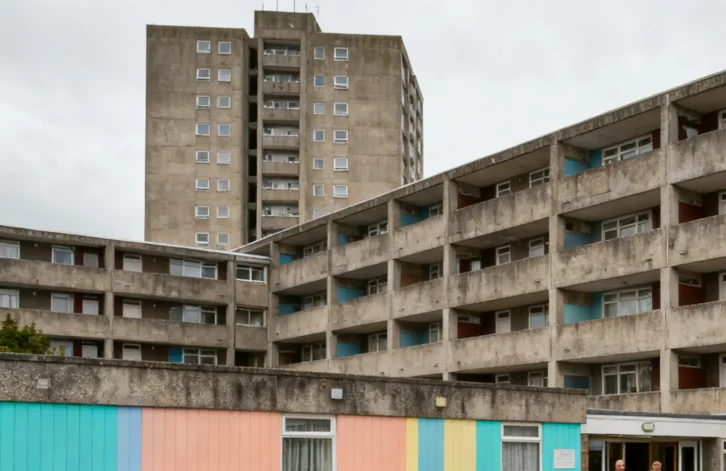
Council home sales under the Right to Buy scheme in England increased by 90% in 2025 to 2026, reaching 14,275 properties, according to data from Moneyfacts.
The surge occurred despite Housing Secretary Angela Rayner’s earlier decision to reduce discounts available to council tenants and potential extensions to the qualifying period for residents.
Local authorities generated £1.61 billion from Right to Buy sales, representing a 99.6% increase compared to 2024 to 2025. The average receipt per property rose 5% to £112,900.
Replacement housing lags behind
Only 3,452 replacement homes were funded through receipts from the sales, marking a 7% decrease from the previous year. This widening gap between sales and replacements raises questions about the sustainability of social housing stock levels.
The disparity comes as short-term home moves fall to record lows in England, potentially compounding housing availability issues for those seeking social accommodation.
Since the scheme’s introduction in 1980, cumulative sales to tenants have exceeded two million, reaching 2,052,813 properties.
Legislative changes ahead
Rachel Springall, Finance Expert at Moneyfacts, noted that proposed reforms to overhaul the Right to Buy scheme are currently progressing through Parliament as part of the Social Housing Bill.
“The proposed changes to the Right to Buy scheme could cause a rush for tenants to buy their home in the months ahead, so seeking advice would be wise,” Springall said.
She added that limited housing stock would likely force some tenants into the private rental market if they need to relocate for work or family reasons. The situation is further complicated by rising mortgage rates amid ongoing Middle East tensions, affecting those who have saved deposits in recent years.
The data suggests the scheme continues to attract significant demand from qualifying tenants, though the implications for social housing availability and those unable to purchase remain a consideration for policymakers and housing market observers.