House prices have declined in 20 of the 25 local authorities with the highest concentration of second homes in England by the first quarter of 2026, according to analysis by wealth manager Rathbones. This compares to price falls in only 26% of local authorities across the wider UK market.
The data reveals that the number of second homes in England has decreased by approximately 12,000 since 2024, representing a 4.3% decline, according to separate government figures.
Coastal areas most affected
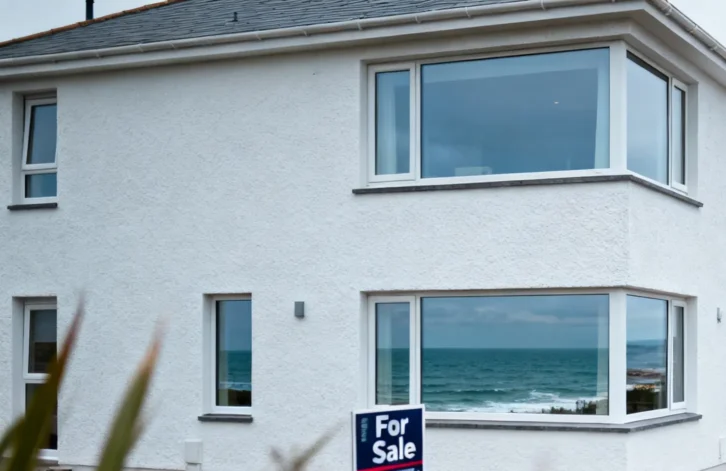
Coastal and rural markets traditionally associated with holiday home demand have experienced some of the steepest price falls. South Hams in Devon, which holds the highest concentration of second homes in England, recorded an annual price decline of 6.6%.
The analysis by Rathbones indicates that the appeal of additional property ownership for financial gain has diminished, citing unfavourable tax changes as a contributing factor.
Tax and regulatory changes
The Stamp Duty surcharge on additional properties increased from 3% to 5% in October 2024. English councils now have the authority to impose a 100% council tax premium on second homes, whilst local authorities in Wales can levy premiums of up to 300%.
The regulatory environment continues to tighten for property investors, with landlords facing increased compliance requirements across multiple property sectors.
Liberal Democrat MP Andrew George has proposed new planning powers that would enable councils to restrict the conversion of homes into second homes in areas experiencing housing shortages, according to reports in The Telegraph. Although the Private Member’s Bill is unlikely to become law, it reflects growing political pressure on second home ownership.
Market implications
The combination of increased taxation, regulatory changes, and declining property values in traditional second home markets represents a significant shift in the investment landscape. Similar pressures are affecting buy-to-let investors, with affordability concerns emerging in various housing schemes across the UK.
The data suggests a structural change in the second home market, with financial incentives for ownership of additional properties diminishing across England’s traditional holiday home destinations. The trend indicates a potential rebalancing of housing stock in areas where second home ownership has historically been concentrated.