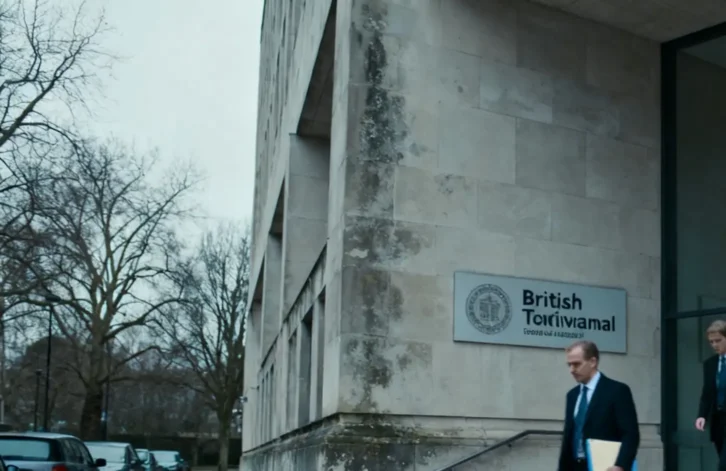
The tribunal system’s capacity to handle rent appeals under the Renters’ Rights Act has been called into question following research revealing data gaps and processing delays.
Freedom of Information requests submitted by real estate trade body RE:UK to five Tribunal Property Chambers uncovered 2,944 cases recorded over the past three years. However, only one Chamber maintained data on case completion times, whilst another held no information whatsoever.
Processing delays
The data shows that just 21% of appeals were decided within 10 weeks prior to the Act’s implementation, meaning approximately 80% took longer than 10 weeks to conclude. Ministers have acknowledged they do not maintain centralised data on appeal volumes or processing times, making it difficult to establish baseline metrics for assessing system capacity.
This lack of centralised oversight could affect the Government’s ability to trigger safeguard procedures designed to backdate rent in unsuccessful appeals when tribunals are deemed to be under strain, according to RE:UK.
Kate Butler, Assistant Director at RE:UK, said: “Here we have new evidence which clearly demonstrates a clear and deeply concerning lack of consistent collection of rent appeal data within the Tribunal process. Expanding the use of the s13 process to all tenancies will dramatically increase the number of appeals the Tribunal hears, and there is no evidence to suggest that it will be able to effectively deal with this.”
Market implications
The Section 13 process requires landlords to use formal procedures to raise rents in new periodic tenancies, which tenants can challenge at tribunal. The concerns come as tenanted property auction sales have jumped 70%, indicating some landlords are choosing to exit the market. Recent data also shows that buy-to-let landlords report an 84% profitability rate, though operational challenges continue to mount.
The findings raise questions about the administrative infrastructure supporting the private rental sector as regulatory requirements expand. Without consistent data collection and sufficient processing capacity, both landlords and tenants may face extended periods of uncertainty during rent disputes.