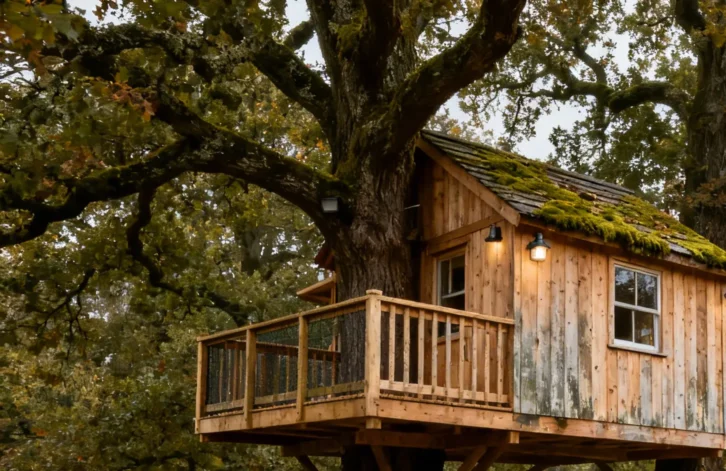
A growing number of residential properties in the UK now feature substantial treehouse structures that function as self-contained accommodation units, with some generating income through holiday letting arrangements.
Analysis of current property listings shows six homes across England, priced between £1.95 million and £6.5 million, that include treehouse structures equipped with facilities such as bathrooms, heating systems and kitchen areas. The trend reflects broader changes in how ancillary garden buildings are being utilised within high-value residential properties.
Income-generating potential
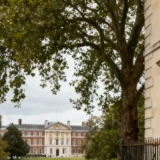
At Harptree Court, a Georgian manor in Somerset listed at £6.5 million through Savills, the self-contained treehouse built in 2011 is currently operated as a holiday let. The structure includes sleeping accommodation, a copper bath, shower room and kitchen facilities.
The property market has seen increasing interest in alternative accommodation spaces, with UK property listings rising 19% in recent months as sellers look to capitalise on various property features that may attract buyers.
Property specifications
The listings surveyed include properties ranging from a six-bedroom Edwardian home in Oxford (£4 million) featuring a treehouse connected to the property’s control system, to Oxney Court, a Gothic manor near Dover (£6.5 million) with 35 acres and a treehouse with rope bridges.
Lower Farm in Effingham, listed at £4.75 million, includes a children’s treehouse alongside swimming pool and tennis court facilities. In Sutton Coldfield, a Tudor-style property at £1.995 million features a treehouse within a wooded play area.
The Yews, a manor house in Somerset priced at £1.95 million through Jackson-Stops, includes a timber treehouse structure situated within an orchard containing heritage apple varieties.
Market context
The development of treehouse structures as functional outbuildings represents a shift in how auxiliary garden spaces are being designed and marketed within the residential property sector. While traditionally associated with children’s play areas, these structures are increasingly being constructed to building standards comparable to primary residences.
The trend aligns with broader patterns in the property market where alternative building types and conversions are being adapted for residential use across various price points.
Properties with these facilities are currently concentrated in the higher price brackets, with all six examples exceeding £1.9 million. The structures vary in sophistication from basic timber buildings to fully serviced units with integrated technology systems and utilities including underfloor heating and smart home connectivity.