It’s been a strange General Election campaign.
Rishi Sunak has cut an exhausted figure as he defends the Conservative record on national TV, before being condemned by journalists for misleadingly claiming that Labour will raise taxes by £2,000 per person.
Then you’ve got the Labour Party apparently so unambitious as to frame stability as change. All the while you’ve got the Liberal Democrats being so desperate to gain attention that they’re having their leader photographed on one rollercoaster after another.
You also have to mention the Greens, who are likely to gain from Labour drifting to the centre, as well as Nigel Farage’s Reform Party, who in my view are appealing to the worst tendencies of the British electorate by attempting to frame the election as entirely about immigration.
There’s a sense of style over substance, and I think that’s particularly encapsulated with the communications from Conservative HQ about their main rival.
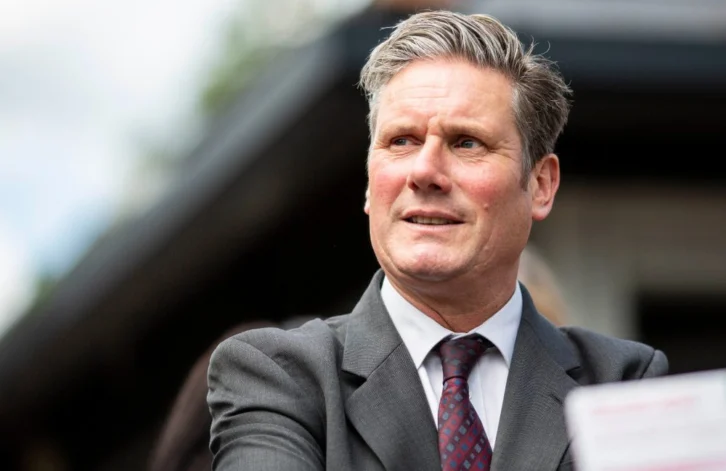
At the time of writing, you only have to view the Conservative Twitter/X page in the past 24 hours to find Labour being labelled as “hard-left”, as well as accusations that “Keir Starmer wants to raise your taxes”, and that he “tried to make Jeremy Corbyn Prime Minister. Twice”. Starmer is clearly a million miles from Corbyn, and has ousted him from the party altogether – how can this be a genuine line of argument?
Anyway, we’re in a very strange place on taxes. Labour has barely committed to any tax rises, so the party are being attacked for not ruling out tax rises. In effect the party are being condemned for pledges they haven’t made now. The term ‘clutching at straws’ comes to mind.
If anything, Labour are playing it far too safe and are going to find it hard to invest when they likely enter government. They’re barely committed to raising money, which I think was expertly outlined by think tank the Institute of Fiscal Studies.
Comparing the Tory and Labour manifestos, the tax burden would only be slightly higher if Labour wins, because the party plans to keep National Insurance rates the same, with the Tories wanting a cut. Otherwise both parties have pledged to hold income taxes and VAT at their current rates.
Labour’s means of raising taxes are actually more about tinkering around the edges, for example by pledging to end a VAT exemption handed to public schools, as well as charging foreign property buyers more money. These are small changes.
You have to look the other parties for more radical ideas on tax, because they’re willing to take risks, unlike this iteration of the Labour Party. Barring the unlikely event of another coalition, the Liberal Democrats can be bolder because they’re not going to be in power.
Under plans unveiled by Ed Davey’s party, a new Capital Gains Tax rate of 40% would be introduced on gains between £50,000 and £100,000, as well as 45% over £100,000. Between £5,000 and £50,000 they would be taxed at 20%. Currently the highest rate of CGT is 24%.
If Labour had such a radical approach these attacks from the Conservative Party on social media would actually make some sense.
I can only hope the public sees through the rhetoric this week – don’t be blinded by the smoke and mirrors and vote on policy.