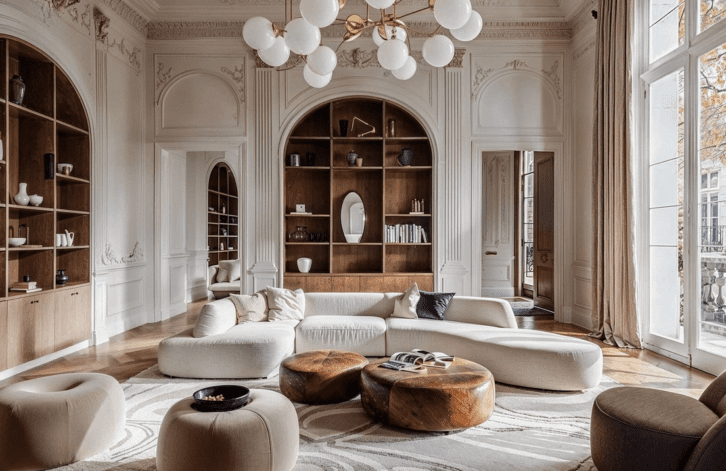
You don’t need to spend a fortune to make your home feel expensive. Some interior choices stand the test of time and can instantly elevate a space, making it look far more luxurious than its actual cost. Natural materials like wool rugs and blankets may require a higher upfront investment, but with proper care, they last far longer than synthetic alternatives and age beautifully.
The key lies in thoughtful details and smart, strategic decisions rather than full-scale renovations. Timeless hardwood floor colors paired with classic paint choices create a strong foundation for a sophisticated interior. Flooring with fewer visual breaks—such as wide planks or large-format tiles (60 × 60 cm and above)—can immediately make a room feel more refined and cohesive. And while dramatic transformations can be appealing, small, carefully chosen updates over time often deliver the most striking results.
In this piece, you’ll discover how simple interior choices can give your home that high-end look you’re after. From high-mounted curtains to the use of natural materials, these timeless design principles help create premium-looking spaces—without the premium price tag.
Perceived quality versus actual spend
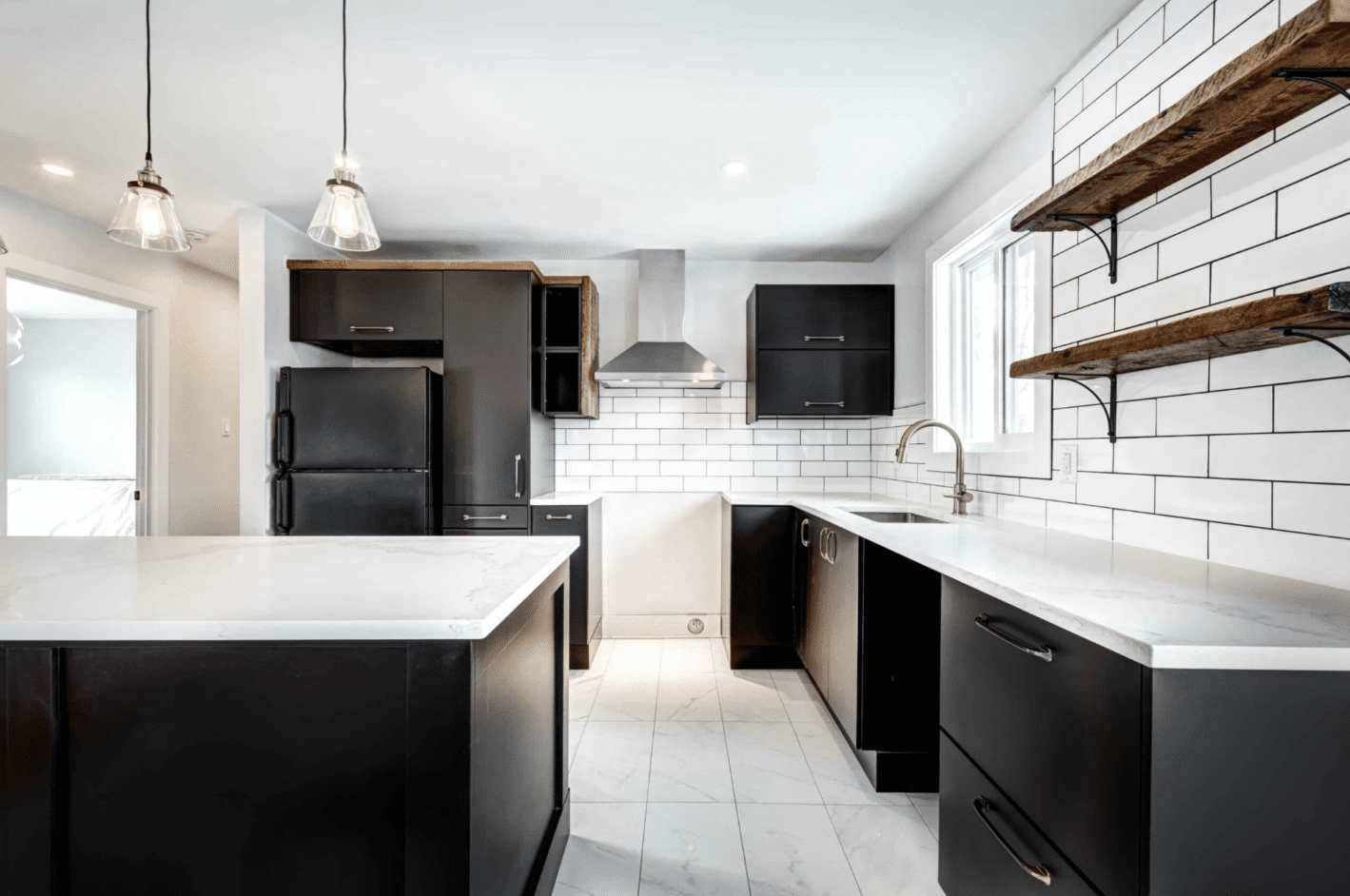
Image Source: Rocky Mountain College of Art + Design
People notice luxury in interior design through subtle visual cues rather than actual cost. Interior hierarchy is a vital part of creating premium-looking spaces without breaking the bank. This intentional arrangement of elements establishes visual order.
The role of vertical accents in interior hierarchy
Vertical design is a secret weapon that reshapes how we experience a room. Your eyes move upward to create an immediate sense of spaciousness and grandeur. A case study showed designers achieved a jaw-dropping 30% perceived height boost by using vertical panels, full-height drapery, and strategic lighting.
You can maximize vertical impact by hanging curtains close to the ceiling instead of at window height. This simple change lifts the visual space and makes walls look taller. You can achieve a similar effect by hanging a vertical abstract portrait art. This will also add a bit of character to the place.
Why understated design reads as premium
Quiet luxury has become a timeless way to create sophisticated interiors. This design philosophy uses warm neutrals like off-white, taupe, and beige with nature-inspired colors like sage green or muted blues. These colors create a calm atmosphere that feels luxurious without being showy – like high-end spas or boutique hotels.
Understated design works its magic through minimalist approaches that show sophistication in subtle details and premium materials. The most luxurious spaces feel curated rather than decorated. Each element serves both form and function.
Letting walls work harder without remodeling
Walls offer big opportunities to create design impact without structural changes. Renters or people avoiding permanent changes can try these approaches:
-
Use peel-and-stick wallpaper to add bold patterns that give your home a chic, upscale vibe
-
Create picture-framing with narrow strips of molding to draw attention to focal areas
-
Hang tapestries that add texture while telling a visual story
Wall treatments like grasscloth bring color and texture, adding a natural, handcrafted quality that looks elevated yet effortless. Beautiful wall treatments help achieve refined aesthetics, especially with textures that stay timeless.
The most effective wall upgrades often use vertical elements. Floor-to-ceiling paneling draws your eyes upward and makes modest rooms feel bigger. This approach pairs well with hardwood floor colors that never go out of style, creating a cohesive visual language that looks intentional and premium.
Use Lighting as a Design Statement
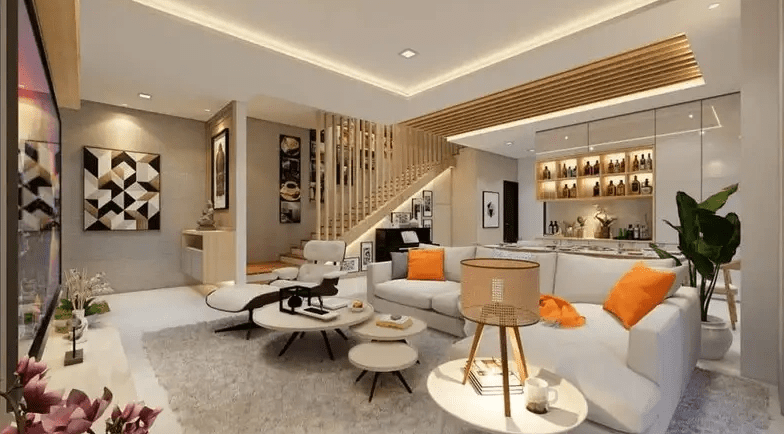
Image Source: UK-Home Improvement
Lighting surpasses simple functionality and becomes one of the most powerful tools in your interior design arsenal. Your thoughtfully selected fixtures can dramatically change how a space feels. They create atmosphere and showcase your personal style without expensive renovations.
Statement lighting fixtures as functional art
Just as jewelry completes an outfit, statement lighting adds that final touch to raise your interior. These fixtures become conversation starters and focal points even when switched off. A sculptural chandelier, an artistic floor lamp, or uniquely clustered pendants change ordinary spaces into extraordinary ones. They draw the eye and define a room’s character.
The best statement pieces often merge lighting with installation art. You might see fixtures crafted from mouth-blown glass, woven rattan, or hammered metal that add texture and visual interest. These artistic elements work best in highly visible areas—over dining tables, in entryways, or as anchors for conversation areas.
Layered lighting for depth and warmth
A well-lit room needs layering, which brings together three key types of lighting. Ambient lighting delivers your main illumination through ceiling fixtures or recessed lights. Task lighting focuses on specific areas like reading nooks or kitchen counters. Accent lighting shows off architectural details or artwork, which adds drama and dimension.
Different layers at varying heights throughout your space create depth. Rooms feel more dynamic and well-laid-out this way. To name just one example, you can mix overhead lighting with table lamps and wall sconces in living areas. Your kitchen might pair ambient lighting with under-cabinet task lights and pendant fixtures over islands.
Avoiding overly trendy lighting styles
Quality craftsmanship and classic forms help create lighting that stays stylish. Choose fixtures with timeless shapes, well-made materials with substantial weight, and classic components like milk glass, seeded glass, or quality metals. This approach matches other timeless elements like hardwood floor colors that never lose their appeal.
Ultra-minimal matte-black fixtures now look flat and predictable. Overly coordinated lighting sets should also be avoided. Massive chandeliers that overpower rather than enhance a space don’t work either.
Looking ahead to 2026 and beyond, designers embrace softer, more sculptural lighting with organic forms and warm metal tones. These refined, sophisticated pieces create gentle, layered illumination that flatters both the room and its occupants. When it comes to enduring lighting style, balance and restraint often outshine bold statements.
Incorporate Color with Intention
Your home can look expensive and sophisticated with budget-friendly color choices. The right palette creates an instant impression of quality that lasts beyond current trends.
Paint colors that never go out of style
Neutral tones are the foundations of timeless color schemes that raise your space’s appeal. Ivory has earned its place as a “forever color” throughout every design era. Off-whites like “Swiss Coffee,” “Greek Villa,” and “White Dove” add brightness to rooms without making them feel sterile or clinical. These shades create a sophisticated base that stays fashionable.
The subtle greige tones—a mix of gray and beige—add depth without looking trendy. “Revere Pewter” strikes this balance “like a seasoned diplomat,” making it a favorite among designers who want to create warmth in timeless spaces.
Using muted tones and earth palettes
Earth tones take inspiration from nature to create spaces that feel both grounded and elegant. These colors range from deep terracotta to subtle sage, bringing balance that feels welcoming and timeless.
The “Earthy Charm” color collections can give your space a premium look with warm neutrals and rich copper-reds against deep blues and grays. These palettes work best in relaxation spaces because they add subtle dimension.
Accent colors through small decor pieces
The 60-30-10 rule helps create visual harmony while showing personality: 60% dominant color, 30% secondary color, and 10% accent color.
Solid contemporary hues work better than gradient tones as accent colors. You can add these color pops through throw pillows, artwork, ceramic pieces, or small decorative objects—items that are easy to switch out as your preferences change.
Note that even subtle color touches can change your space dramatically. A single bold accent in a mostly neutral room—especially with cooler colors like blue—creates a fresh, sophisticated feel without major changes.
Add Personal and Textural Touches
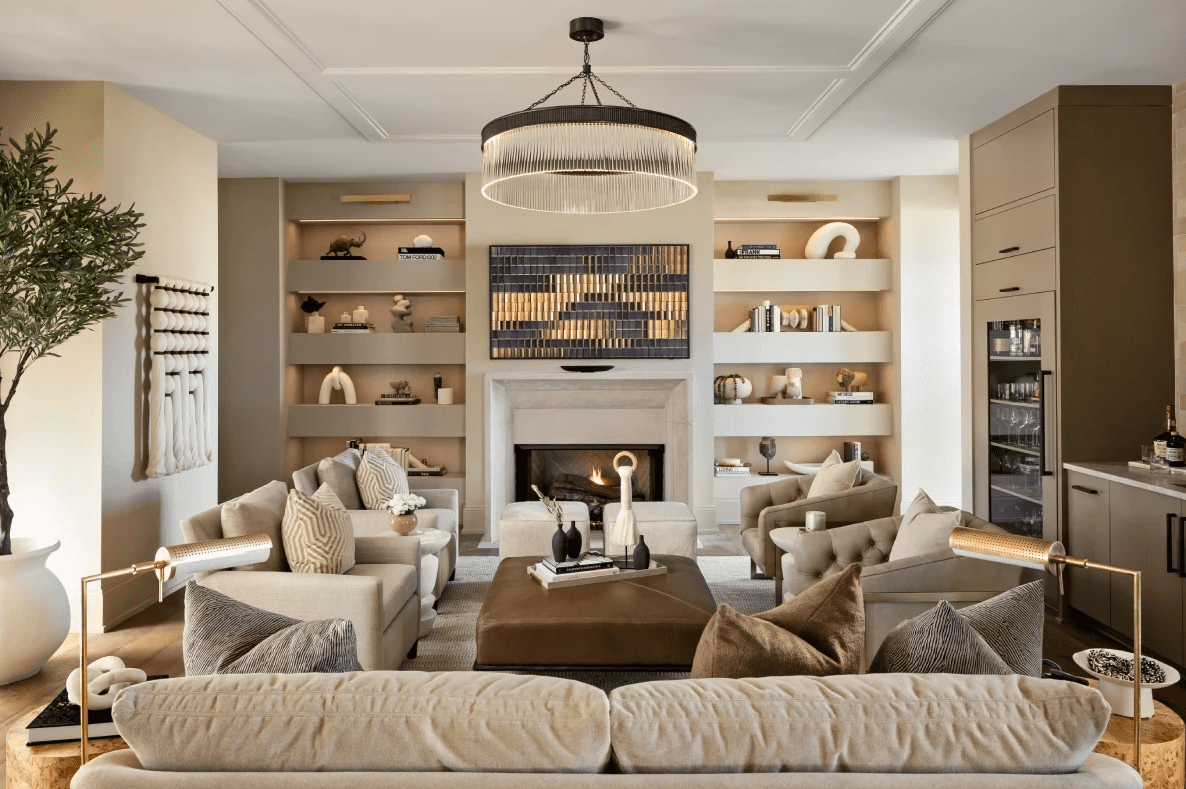
Image Source: Rocky Mountain Hardware
Luxury spaces stand out because of personal and textural touches that transform a house into a home. These elements add depth and character you won’t find in mass-produced items.
Handmade ceramics and artisan pieces
Each handcrafted ceramic piece shows an artist’s unique craftsmanship that can’t be duplicated. You can place these throughout your home as vases, trays, or decorative bowls to add character. These pieces work both as functional items and conversation starters that share stories. Handmade pottery light fixtures add warmth and create a distinctive glow in spaces.
Textured rugs and carpets
Natural earth tones in floor coverings create warm, welcoming spaces. Quality rugs made from undyed wool and alpaca showcase natural textures that bring timeless elegance to interiors. Layered rugs can create stunning visual depth – a designer’s favorite technique. The finest materials go into heirloom-quality textured rugs that last a lifetime and become more beautiful as they age.
Personal decor that tells a story
Your family’s heirlooms create emotional connections to the past when displayed thoughtfully. Each item in your home should spark memories of moments, people, or places. A hand-carved wooden tray or antique chess set mixed with modern pieces creates a curated space that feels collected naturally.
Conclusion
Luxury often lives in the details, not the budget. As you’ve seen, subtle, intentional choices can make a space feel refined without major renovations. Vertical elements lift the eye, simplicity reads as premium, and layered lighting adds depth, proving that thoughtful design decisions matter far more than expensive, attention-grabbing upgrades.
Color remains the most accessible way to transform a room, especially when grounded in timeless neutrals and warm earth tones. Personal touches complete the picture. Handmade pieces, quality textiles, and meaningful objects add character and longevity, showing that a well-curated home feels luxurious because it reflects intention, not price tags.