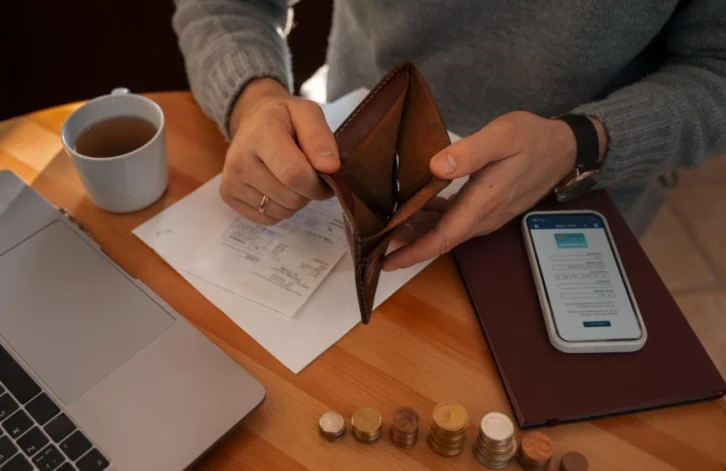
Financial security is one of the most powerful forms of freedom, yet for many households it feels elusive.
Rising living costs, record levels of consumer debt, and an unpredictable job market are putting pressure on even middle-income families. What was once considered comfortable now feels precarious, and the gap between stability and strain continues to grow.
The difference, however, is often less about income and more about habits. Some households glide through emergencies with minimal disruption, while others, even with steady paychecks, find themselves juggling overdue bills or scrambling to borrow. What separates the two is not luck but the small daily choices that accumulate over time. These choices, repeated consistently, create either a safety net or a cycle of stress.
Below, we break down the key habits that help people build security and the ones that, if neglected, tip them toward financial strain.
Tracking Every Dollar Before It Slips Away
The first habit of financially secure individuals is clarity. They know where their money goes and do not allow unexamined spending to drain their resources. Whether through apps, spreadsheets, or old-fashioned ledgers, they categorize expenses and measure them against priorities.
According to the U.S. Consumer Financial Protection Bureau adult tools for money management are powerful in preventing debt cycles. Their worksheets on credit reports, credit cards, and debt collection are practical ways to build that clarity. See the “Tools and Resources to Use With the People You Serve” page for downloadable handouts and worksheets.
By contrast, people under financial stress often avoid looking at their statements. That avoidance compounds the problem. Late fees, interest charges, and overdraft penalties pile up, creating a snowball effect that erodes their ability to save or invest.
Building Buffers Before Chasing Big Goals
The second defining habit is prioritizing an emergency buffer before reaching for long-term ambitions. Secure households treat an emergency fund as the foundation for everything else. Without it, one disruption such as a layoff, an accident, or a broken furnace can derail years of progress.
According to the U.S. Department of Labor, setting aside even modest sums for short-term needs helps individuals preserve retirement accounts and avoid debt spirals. In other words, resilience today protects wealth tomorrow.
Financial strain often occurs when people overextend toward goals like home ownership or investments without first securing that emergency cushion. Without a buffer, every setback forces reactive borrowing.
Living Intentionally Below Your Means
The most visible distinction between security and strain lies in lifestyle. Those who remain financially secure do not spend everything they earn simply because they can. Instead, they live below their means with purpose.
This does not mean constant sacrifice. It means intentional choices: opting for durable purchases over disposable ones, distinguishing wants from needs, and resisting the pull of lifestyle inflation when income rises. By consistently keeping expenses lower than income, secure households build breathing room.
Those under strain often fall prey to short-term satisfaction. Purchases that feel harmless in isolation, such as the latest tech or frequent dining out, accumulate into chronic overspending. The result is a fragile budget where even minor changes lead to a crisis.
Using Debt Strategically, Not Reactively
Debt itself is not the dividing line. How it is managed is. Financially secure people treat debt as a tool, carefully assessing interest rates and repayment timelines. They borrow for investments in education, housing, or business, areas with potential long-term returns.
Strained households, on the other hand, often rely on debt reactively. Unexpected expenses push them into high-interest borrowing without a plan for repayment. Over time, minimum payments become the norm and balances grow heavier.
The Financial Literacy and Education Commission notes that debt management is a cornerstone of national financial well-being strategies, emphasizing clear repayment plans and awareness of total borrowing costs. Treating debt reactively locks households into vulnerability, while using it strategically preserves flexibility.
Automating the Right Habits
Automation is one of the quiet strengths of financially secure households. Automatic transfers to savings or investments ensure progress continues even when motivation dips. Automatic bill payments prevent late fees and protect credit scores.
This habit matters because willpower is finite. Even the most disciplined person can miss a payment when life gets hectic. By automating the essentials, financial security becomes routine, not reliant on constant vigilance.
In contrast, those under financial strain often delay or forget payments, racking up penalties. Each small misstep compounds the stress.
Viewing Money as a Tool for Freedom
The secure see money as a tool to expand choices, not just a burden to manage. They ask: what can this money do for my future freedom? That shift in mindset allows them to save, invest, and prepare without resentment.
It also helps them use financial products wisely. For example, having access to money when you need it can provide short-term relief during emergencies, but the key is using such access responsibly, not as a crutch. Framing money as a tool rather than an enemy reshapes decisions and reduces emotional strain.
Reviewing and Adjusting Regularly
Life is dynamic. Job markets evolve, families expand, costs rise. Financial security requires regular reviews, whether monthly or quarterly, where households assess whether their goals still align with reality.
The National Standards for Personal Financial Education recommend ongoing reflection and adjustment as circumstances change. Secure households do not set budgets once and forget them; they adapt.
Those under strain often avoid reviews because the numbers feel daunting. But avoidance only allows problems to grow unchecked.
The Accumulated Effect of Small Choices
No single habit guarantees financial security. It is the accumulation of all of them that matters. Tracking expenses without savings still leaves you exposed. Saving without intentional spending still drains resources.
Financial strain arises not from one bad purchase but from patterns left unaddressed. Security grows not from one good habit but from the compounding effect of many.
The habits outlined above may feel ordinary, but over time, they create extraordinary results. Financial security is rarely dramatic. It is steady, quiet, and powerful. Those who embrace it find themselves living not with fear of the next crisis but with confidence in their ability to face it.