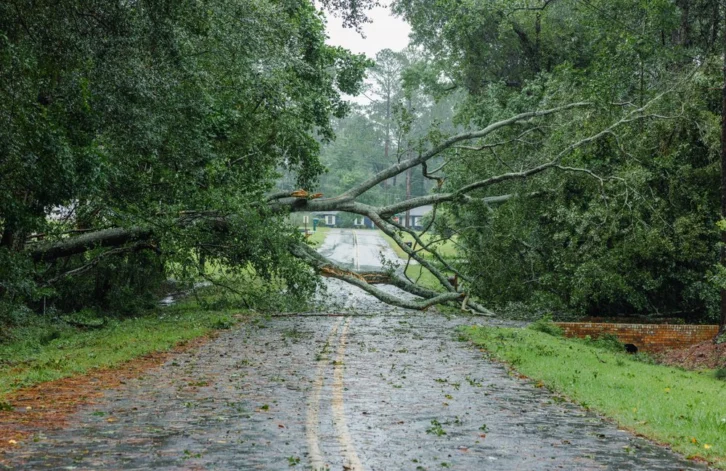
Natural disasters continue to reshape communities across the globe with increasing frequency and intensity, leaving profound impacts on residents that extend far beyond the immediate physical destruction. From hurricanes and floods to earthquakes and wildfires, these catastrophic events fundamentally alter the lives of millions of people each year, creating cascading effects that can persist for years or even decades after the initial disaster strikes.
The Growing Scale of Natural Disasters
The frequency and severity of natural disasters have reached alarming levels in recent years. There were 27 disasters in the United States in 2024 that individually cost $1 billion or more, marking the second-highest number since NOAA records began in 1980. Globally, approximately 6,800 natural disasters occur annually, demonstrating the widespread nature of these events and their potential to affect communities anywhere in the world.
The financial toll of these disasters has grown exponentially, with insured losses reaching $140 billion in 2024, making it one of the most expensive years since 1980. However, these monetary figures only tell part of the story, as the true cost to residents encompasses much more than property damage and insurance claims.
Physical and Economic Displacement
Natural disasters force millions of residents from their homes each year, creating both temporary and permanent displacement that disrupts entire communities. In 2024, natural disasters displaced thousands of residents and destroyed large areas of farmland in multiple countries, highlighting how these events affect not just individual households but entire regional economies.
The economic impact on residents extends beyond immediate property losses. Families often face prolonged periods without income as businesses close, infrastructure remains damaged, and entire industries struggle to recover. Many residents find themselves unable to return to their previous employment, forcing career changes and economic restructuring that can take years to stabilize. The ripple effects touch every aspect of daily life, from children’s education being interrupted to elderly residents losing access to essential healthcare services.
According to First Coast Contracting (firstcoastcontracting.com), the construction and rebuilding phase following natural disasters represents both a challenge and an opportunity for affected communities. The reconstruction process often takes months or years, during which residents must navigate temporary housing, insurance claims, and the complex decisions involved in rebuilding their lives and properties.
Mental Health and Psychological Consequences
The psychological impact of natural disasters on residents represents one of the most significant yet often overlooked consequences of these events. In the first year following a disaster, psychological morbidity frequently affects 30-40% of the population, with mental illness prevalence increasing by roughly 17%. These statistics reveal the widespread nature of disaster-related mental health challenges that persist long after the physical cleanup is complete.
Research has demonstrated both direct effects, such as the length and intensity of disaster exposure, and indirect effects involving psychosocial factors, leading to the onset of PTSD, depression, and anxiety. The trauma experienced during natural disasters creates lasting psychological scars that can affect residents’ ability to function normally in their daily lives, maintain relationships, and feel secure in their communities.
The mental health consequences for most people include mild stress and insomnia, high-risk coping behavior such as increased alcohol use, and mental disorders such as depression, anxiety and post-traumatic stress. These conditions often require professional intervention and long-term treatment, placing additional strain on healthcare systems that may already be compromised by the disaster itself.
Community Disruption and Social Fabric
Natural disasters tear apart the social fabric of communities, disrupting networks of support, friendship, and civic engagement that residents rely on for stability and wellbeing. Schools close, places of worship suffer damage, community centers become unusable, and local businesses that serve as gathering places disappear overnight. The loss of these social anchors creates a sense of disconnection and isolation that can persist even after physical reconstruction is complete.
The demographic composition of communities often changes permanently following major disasters, as some residents choose not to return while others move in during the rebuilding phase. This population turnover affects everything from local political dynamics to the character and culture of neighborhoods, sometimes eroding the sense of community identity that existed before the disaster.
Vulnerable Populations Face Disproportionate Impacts
Certain segments of the population experience amplified effects from natural disasters, creating disparities in both immediate survival and long-term recovery. Elderly residents often face particular challenges due to mobility limitations, chronic health conditions, and fixed incomes that make evacuation and recovery more difficult. Children and adolescents may experience developmental disruptions, educational setbacks, and trauma responses that affect their growth and future opportunities.
Low-income communities typically lack the resources necessary for adequate disaster preparedness and face greater obstacles during recovery. 67% of respondents reported they were not insured against natural disasters like floods, earthquakes, or tornadoes, leaving many residents financially vulnerable when disaster strikes. This insurance gap means that recovery becomes exponentially more difficult for families without adequate coverage.
Long-term Recovery and Resilience Building
The path to recovery from natural disasters extends far beyond the immediate emergency response phase, often requiring years of sustained effort to rebuild not just physical infrastructure but community resilience. Residents must navigate complex processes involving insurance claims, government assistance programs, contractor negotiations, and zoning regulations while simultaneously dealing with the emotional aftermath of their losses.
Successful recovery depends on multiple factors including the availability of resources, the effectiveness of local leadership, the strength of community networks, and the implementation of improved building codes and land use planning. Communities that invest in disaster preparedness, early warning systems, and resilient infrastructure generally experience better outcomes for their residents when the next disaster inevitably occurs.
The experience of surviving a natural disaster often transforms residents’ perspectives on risk, community, and what truly matters in life. While the immediate impacts are overwhelmingly negative, many communities emerge from the recovery process with stronger social bonds, improved infrastructure, and enhanced preparedness for future challenges. This resilience becomes a valuable asset that serves residents well beyond the context of disaster recovery, contributing to overall community health and stability for generations to come.