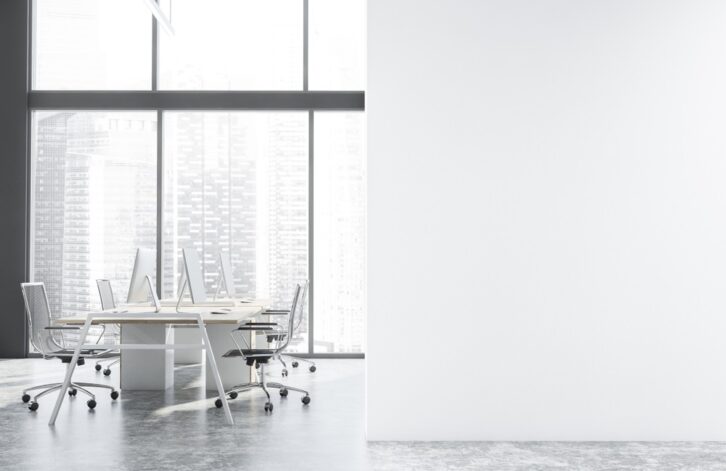
Office interior design has evolved significantly in recent years, reflecting changing attitudes towards work, wellbeing, and collaboration. As businesses adapt to flexible working patterns and shifting employee expectations, modern office environments are being reimagined to support productivity, creativity, and comfort. The latest trends in office design focus on creating adaptable, inspiring spaces that balance professional functionality with a welcoming atmosphere.
Flexible and Multi-Purpose Spaces
One of the most prominent trends in office design is flexibility. Traditional layouts with fixed desks and rigid departmental divisions are increasingly being replaced by adaptable spaces that can serve multiple functions. Modern offices often include a mix of open collaboration areas, quiet zones, meeting rooms, and informal breakout spaces.
This approach allows employees to choose the environment that best suits their current task, whether they need a quiet corner for focused work or a shared space for brainstorming with colleagues. Movable partitions, modular furniture, and reconfigurable layouts help businesses adjust their offices quickly as needs change. Flexible design also supports hybrid working patterns, enabling companies to accommodate staff who move between remote and in-office work.
Biophilic Design and Natural Elements
Another key trend in office interiors is the incorporation of natural elements through biophilic design. This concept focuses on strengthening the connection between people and nature within indoor spaces. Offices are increasingly introducing plants, natural materials, and organic textures to create a calming environment.
Large windows that maximise natural light, wooden finishes, living plant walls, and earthy colour palettes are all becoming common features. These design choices help create a more relaxed atmosphere and can make the workplace feel less clinical or corporate. By bringing nature indoors, businesses aim to improve both employee well-being and overall workplace satisfaction.
Emphasis on Employee Wellbeing
Employee well-being has become a central consideration in office interior design. Companies recognise that the workplace environment can significantly influence mental health, comfort, and productivity. As a result, many modern offices now incorporate design features that prioritise health and balance.
Ergonomic furniture, adjustable desks, and carefully planned lighting are essential components of this approach. Quiet rooms, wellness areas, and relaxation zones are also becoming more common, offering employees space to recharge during the working day. Acoustic design has gained greater attention as well, with sound-absorbing materials used to reduce noise levels in open offices.
A thoughtfully designed workspace can contribute to a positive company culture, encouraging employees to feel more comfortable and engaged while at work.
Technology-Integrated Workspaces
As digital tools continue to shape the modern workplace, office interiors are increasingly designed with technology in mind. Meeting rooms now often include integrated video conferencing systems, interactive displays, and seamless connectivity to support collaboration between in-office and remote team members.
Charging stations, wireless presentation tools, and smart lighting systems are also becoming standard features in many offices. These technologies allow employees to work more efficiently and ensure that meeting spaces are equipped for modern communication.
Designing offices that incorporate technology smoothly helps prevent clutter and ensures that digital tools enhance, rather than disrupt, the overall workspace aesthetic.
Personalisation and Brand Identity
Office interiors are increasingly being used as a reflection of a company’s identity and values. Rather than generic corporate environments, many organisations are choosing designs that communicate their culture, mission, and brand personality.
Custom artwork, branded colour schemes, and distinctive design features can help create a unique office atmosphere. Reception areas, communal spaces, and meeting rooms are often designed with visual impact in mind, offering both employees and visitors a strong sense of the organisation’s character.
For businesses seeking inspiration, exploring different office design ideas can provide valuable insight into how layout, materials, and visual identity can work together to create a cohesive workspace.
A More Human-Centred Workplace
Ultimately, the latest trends in office interior design focus on creating workplaces that support people rather than simply housing them. By combining flexible layouts, natural elements, wellness-focused features, and integrated technology, modern offices aim to provide environments where employees can thrive.
As organisations continue to adapt to evolving ways of working, thoughtful office design will remain an important tool for attracting talent, encouraging collaboration, and supporting long-term productivity. Businesses that invest in well-designed workspaces are increasingly recognising that the physical environment plays a crucial role in shaping how people experience their work every day.