Commercial properties use huge amounts of energy – often much more than homes. This is particularly the case with factories, hospitals, hotels, restaurants and supermarkets.
Electricity bills are a huge overhead for these companies (as much as 10% of monthly expenses can go towards energy bills). Financially-stretched businesses in these industries looking to cut expenses often look at ways to save money on energy. Solar panel installation is one potential way to do this by allowing companies free energy from the sun.
But of course, solar panels cost money to install and maintain. There can also be installation challenges on some buildings and in some locations. These are things that commercial property owners need to weigh up.
Over 200,000 non-residential buildings in the UK are estimated to have already installed solar panels. Is it time you did the same to your commercial property? Or is it better that you held off going solar? This post takes a look into the pros and cons to help you decide.
The pros of solar installation for UK commercial property owners
Major energy savings
Every solar panel that you install helps to reduce your building’s reliance on the grid. With enough solar panels it’s possible to generate all your energy from the sun and never pay an energy bill again. Even if you just install a smaller system, you’ll still significantly reduce you or your tenant’s bills (a 4kW system could save you as much as £750 per year in energy bills). Many commercial occupiers save 50 to 70% on their energy bills after switching to solar.
Attractive tax deductions
Solar system costs are currently 100% tax deductible for businesses thanks to the Annual Investment Allowance (AIA) scheme. Companies that install solar panels are also entitled to a 10 year exemption from business rates (set to be in place up until 2035). On top of this, there is currently no VAT on solar panel installation (although this will change next year). These tax deductions currently all result in extra savings.
Improved property value and ESG credentials
Commercial property owners can also improve the value of their properties by installing solar panels, while also improving the EPC rating. When selling a commercial property, this can mean more profit. It can also make your property more attractive to tenants if you’re renting it to businesses, and can command higher rental yields as a result.
Income from surplus energy
Using the Smart Export Guarantee, businesses can also sell excess energy back to the grid. This can effectively turn solar panels into an extra source of passive income, but generally only applies to businesses that have enough solar panels or low enough energy demands to achieve off-grid independence.
Business continuity during grid outages
A solar system can also serve as a source of backup power generation in the event of a power outage. This could allow your business to keep running without interruption – preventing any loss of income or reputation damage. Such backup power sources could be particularly vital for companies with fridges, servers and other machinery that needs to be constantly running. For tenants that need continuity, it’s also a vital selling point.
The cons of solar installation for UK commercial property owners
High installation costs
While the cost of solar installation has been falling due to reduced manufacturing costs, solar installation is still not cheap. The average commercial solar system costs £5000 to £20000 to install. This typically means having to wait several years to break even with energy savings. Solar panel installation can often be paid in monthly installments over several years to make it more affordable. Discounts may be available if you can pay the entire installation cost upfront, but not all installers offer this. Consider the fact that you will also have to pay extra for a battery if you want to be able to store excess energy.
Maintenance and replacement costs
Solar panels are fairly reliable, but can still benefit from occasional cleaning to keep them efficient. Most modern panels are designed to last at least 25 years before needing to be replaced, however inverters currently only have a life of 10 to 15 years. This does mean extra costs to budget for in the long run.
Potential structural constraints
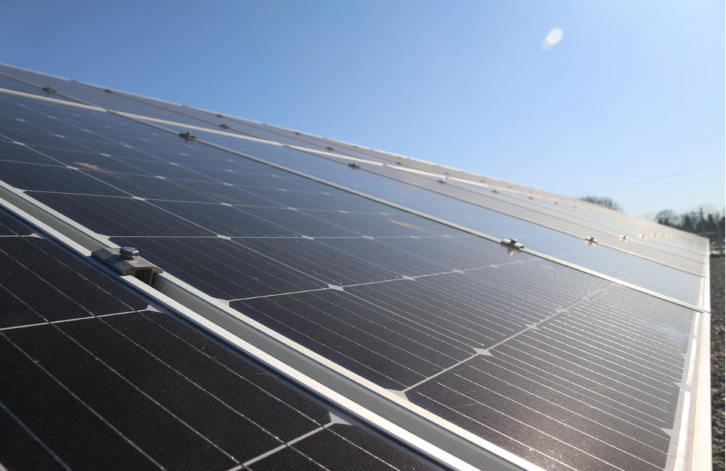
Not every roof is suitable for solar installation. In fact, many older buildings do not have roofs that are strong enough to support panels. This typically means investing in reinforcement before solar installation can be considered. The slope of the roof can also have an impact on installation feasibility. Solar panels typically cannot be fitted to overly sharp pitched roofs. Solar panels also cannot be laid flat due to risk of soiling, however a commercial roof mount for solar panels is a simple solution to this, allowing panels to be raised and angled.
Potential location limitations
Some buildings are overshadowed by other buildings or large trees, which can limit the amount of sunlight their roof may receive. Local weather can also impact solar efficiency – while solar panels can still generate energy on an overcast day, they generate a lot more energy in direct sun. By carefully orienting panels, it may be possible to maximize how much sunlight they receive and harvest more energy. However, in some locations, the amounts of energy harvested vs the cost of installation may not be worthwhile.
Should you install solar panels on your property?
By and large, solar installation is a worthy investment. You won’t notice the savings at first, but once the panels are paid off, the cheaper energy bills will be noticeable. Solar systems are generally a good idea for companies that want a backup energy source, or for companies that want to appear greeners. Commercial property owners looking to sell up or attract higher paying tenants may also benefit from installing solar panels. The two occasions you may want to think twice about solar installation are if 1) your roof cannot support solar panels and needs expensive reinforcement, and 2) your property does not receive enough sunlight each day to harvest enough energy. Ultimately, doing your research is essential for determining whether it is practical.