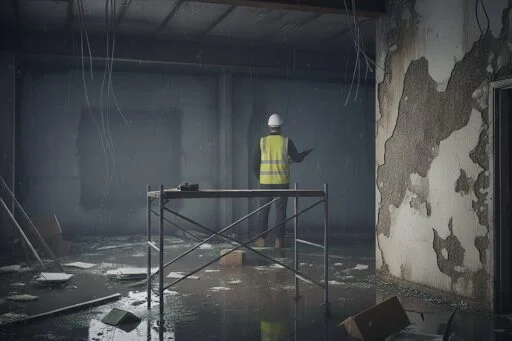
Water damage remains a devastating issue that no commercial property owner or manager wants to endure. It’s such a financially and structurally destructive issue that brings about not just immediate repair costs, but also, in the long run, lasting ripple effects. It was recently reported that UK councils suffer, on average, 43 flooding incidents each year and cleanup costs total £566 million annually.
If buildings succumb to excessive water damage, it can undermine property value and market demand, complicate exchanges and transactions between tenants and new owners, and create long-lasting liabilities that savvy investors must learn to identify and manage.
Consequently, it’s prudent to examine the challenges that exist when water proves as calamitous as it can be.
The Cost of Undiscovered Water Damage
During property surveys and conveyancing, it’s in your appointed professionals’ best interests to detect water damage as early as possible, and the extent of it. Failing to do so represents a substantial financial risk.
What may appear as minor discoloration or a musty smell can signal extensive underlying problems lurking behind walls or beneath flooring, and without full inspection the extent of the problem can never truly be grasped. When moisture intrusion goes undetected during these essential property due diligence checks, buyers may inherit substantial remediation costs that far eclipse any projected returns.
Even small leaks from corroded pipes or faulty HVAC condensation lines can persist for months uninterrupted before a visible telltale sign is spotted. At this point, structural timber may have begun to decay and deteriorate, and mould can proliferate within a few days of water coming into contact with susceptible materials. These hidden issues invariably surface during occupation, when the new owner faces emergency repairs and potential tenant disputes.
Structural and Aesthetic Implications
Water damage affects properties on several levels. From an aesthetics perspective, the sight of stains, warping and peeling paint or wallpaper immediately create a negative impression. Structurally, however, it’s more damaging, as prolonged moisture exposure affects load-bearing timber beams, corrodes steel and weakens foundations through hydrostatic pressure.
Common sources of commercial water damage include plumbing failures from ageing infrastructure, roof leaks after extended severe weather or poor sealing, and HVAC malfunctions where blocked drainage lines allow water to overflow, among others. Flat roofs can be particularly prone to water damage, as drainage systems become clogged with debris, creating standing water that eventually penetrates the building envelope.
Financial Effect on Commercial Portfolios
Not only are there renovation and remedial works to budget for, but commercial buildings can face numerous other costs. For instance, insurance premiums rise for properties with documented water damage history, as underwriters view these assets as high-risk. Some insurers may impose specific exclusions or require costly upgrades to systems before providing coverage.
Attracting new tenants or buyers becomes more difficult when properties show evidence of moisture problems. Commercial tenants are likely to invest in their own due diligence checks for complete reassurance, and may, rightfully, hesitate to commit to a purchase with potential underlying moisture problems, as that could spell operational disruption for them. Specialists like Zolara Vexim regularly work with property managers to conduct thorough moisture surveys that identify problems before they escalate, helping landlords maintain their reputations and secure quality tenants.
In the long run, property valuation also takes a hit if a moisture problem persists and escalates. Properties requiring significant water damage remediation command lower prices in the market, and lenders often reduce loan-to-value ratios when surveys reveal moisture-related concerns. For portfolio investors, even a single problematic asset can distort overall returns and complicate refinancing arrangements.
Warning Signs and Due Diligence Best Practices
Astute property professionals know which warning signs warrant deeper investigation. These include (but are not limited to):
- Water stains on ceilings or walls
- Bubbling or peeling paint or wallpaper
- Musty odours emanating from otherwise innocuous places
- Warped or discoloured flooring
- Damaged roof membranes
- Clogged gutters
- Drainage systems underperforming
- Pooling water around cracks in building envelope and perimeter
Visually inspecting these areas is only part of the solution. Engaging qualified surveyors who are proficient in using thermal imaging and moisture meters to validate building materials can reveal underlying problems that would otherwise be missed. For older commercial buildings, commissioning specialist drain surveys and roof inspections should be standard practice before a property is even put on the market. Additionally, maintenance records should be thoroughly scrutinised.
Protective Strategies and Rapid Response
Implementing scheduled maintenance programmes that include regular plumbing inspections, roof checks, and HVAC servicing substantially reduces water damage risk. Installing smart water detection systems in the most ‘at-risk’ rooms and spaces also provides an early warning indicator before minor leaks propagate into major structural concerns. For properties in flood-prone areas, waterproofing underground rooms like basements, and installing sump pumps offers additional protection. Ensuring proper sealing around windows and doors prevents unfiltered moisture intrusion when severe weather hits.
When water damage does occur, rapid response is pivotal. Removing standing water within 24 to 48 hours, shutting off water supplies and deploying structural drying and dehumidification solutions are crucial first steps. Companies like ServiceMaster Clean provide fast response services that help commercial property owners act swiftly to clean premises, contain damage and begin the restoration process. Establishing a documented emergency response plan will prove pivotal during times of crisis.
Long-Term Portfolio Protection
For commercial property investors, water damage management, even if it’s not high on your priority list, should be integrated into portfolio and property management strategies. Engaging regular condition surveys and budgeting sufficiently for proactive (rather than reactive) maintenance will offer much more reassurance and preserve values and returns. Even if the upfront costs of these services and solutions may be steep, they pale in comparison to remediation bills when structural groundwork needs addressing and improving.