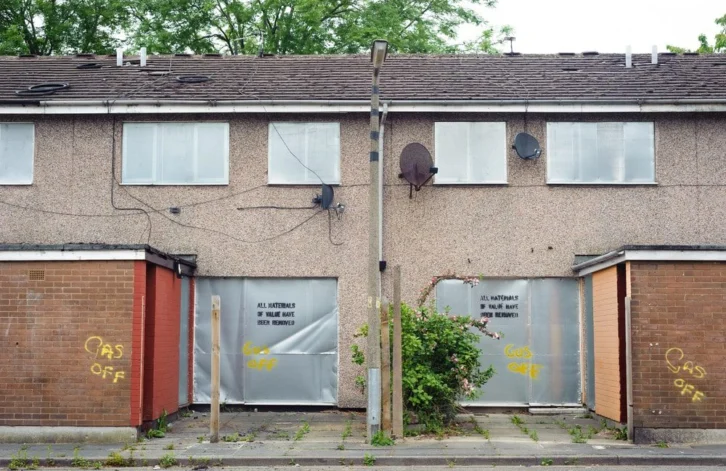
Vacant property security rests on four things: telling your insurer before the policy’s unoccupancy clause applies, keeping the building looking cared for, securing the access points, and making sure someone responds when something goes wrong. Locks and boards slow intruders down. Monitoring and a named responder decide whether anyone finds out in time.
In England, 754,264 homes were classed as empty for council tax purposes in October 2025, according to MHCLG’s Council Taxbase statistics, and 124,100 of them were exempt because the owner had died. Scottish Government figures show a further 44,453 homes vacant for more than six months in September 2025. PropertyWire has tracked how many homes in England sit unused; for the landlord, executor or commercial owner holding one set of keys, the question is how to stop theft and vandalism turning a vacancy into a claim. Figures were checked in November 2026.
Why Do Vacant Properties Attract Theft, Vandalism and Squatters?
Empty buildings lose the everyday surveillance that comes from people living or working in them. Unless a neighbour happens to look, nobody notices a forced window, a pile of post or a smell of smoke, and thieves know it. Most stand idle for ordinary reasons such as probate, refurbishment or weak rental demand, as one PropertyWire analysis of empty homes policy points out.
The CFPA Europe guideline on protecting empty buildings, published in March 2025, lists why intruders target them: stealing contents, stripping out plumbing, wiring and fittings, squatting, parties, vandalism and arson. It notes that arson tends to start with small fires and escalate when a building is not inspected, re-secured and repaired promptly. Graffiti or a broken window left for a fortnight tells passers-by that nobody is checking.
The law also differs by property type. In England and Wales, squatting in a residential building is a crime that can lead to six months in prison, a £5,000 fine or both, according to GOV.UK’s guidance on squatting. Squatting in commercial properties such as shops, offices or warehouses is not a crime in itself, although criminal damage is, so commercial owners lean harder on prevention.
Check Your Insurance Before the 30-Day Mark
Many home insurance, landlord and commercial policies change once a property has been unoccupied for around 30 days. There is no industry standard, but RICS guidance on insuring unoccupied commercial property says insurers tend to treat 30 days as the trigger, after which cover may be restricted, conditions applied or excesses raised. For long vacancies, cover is often cut back to fire, lightning, explosion and aircraft (FLEA), which does not include theft, escape of water or malicious damage.
Tell the insurer as soon as you know a home or building will be left for an extended period. Expect questions on:
- how often the building is inspected, and by whom
- whether water, gas and electricity have been drained down or switched off
- whether a fire or intruder alarm is in use, and how it is monitored
- whether there is CCTV, a security patrol or boarding
How Often Should You Inspect a Vacant Property?
Weekly is a sensible minimum. Inspections are the core of vacant property management, and CFPA Europe treats weekly visits as typical while the property is vacant, with every visit and incident logged and any damage fixed quickly, though your own policy’s inspection clause sets the real interval. Record the date, who visited, the state of doors, windows and roof, post removed and meter readings. RICS suggests a date-stamped photo on each visit where there is no CCTV. That log is your evidence if you ever need to claim.
Winter adds a second risk. A burst pipe in an empty house can run for days before anyone notices, so drain down tanks and pipes unless the insurer has agreed otherwise. Where fire safety systems such as sprinklers stay live, CFPA Europe advises keeping the building at or above 4°C.
Physical Security: Locks, Boarding, Post and Lighting
Physical security measures should make the building look managed, deter trespassers and slow unauthorised access. If any keys are unaccounted for, change the locks. Seal the letter plate or fit a metal box behind it: a stack of post advertises the vacancy, and RICS warns that an open letterbox is an easy route for a lit rag.
Glazing is often the first way in, CFPA Europe notes, so secure or board accessible windows where the risk justifies it. The same guideline recommends exterior-grade plywood at least 18mm thick and advises against chipboard; hired steel screens are tougher and come off with little damage to the frames. Clear furniture, waste and anything combustible, keep external lighting working and, if the insurer agrees to the power staying on, put some internal lights on timers. Visible security such as signage stating that the building is alarmed and inspected adds a cheap extra deterrent.
For large commercial or industrial premises, CFPA Europe says a permanent security guard may be the preferred option, while mobile patrols visiting at random times can provide an acceptable minimum for some buildings. Both suit higher-risk sites more than a typical gap between tenants.
Alarms and Monitoring: Who Responds When It Goes Off?
An alarm only protects a vacant building if someone acts on it. The National Security Inspectorate (NSI) separates bells-only alarms, which rely on whoever hears the siren, from remotely monitored alarms, which signal a 24/7 monitoring centre that then contacts the police, named keyholders or a keyholding company. With nobody inside, a siren alone can ring unheard.
For owners weighing up the options, Scottish installer Bell Fire & Security’s guide to 24/7 alarm monitoring explains what happens once an activation reaches an Alarm Receiving Centre, how keyholder and police response differ, and what drives the monthly cost. Get more than one quote, and ask each security provider which standards their monitoring centre is certified to.
Police response comes with conditions. NSI says it needs a police-recognised installer, an approved Alarm Receiving Centre and a URN, the reference number police issue to registered systems. In England, Wales and Northern Ireland, immediate response is withdrawn after three false alarm calls in a rolling 12 months. Police Scotland runs its own policy: three false calls in 12 months lower the response level, and two more remove it, leaving keyholders to attend. Unoccupied buildings are prone to false alarms, from a draught through a broken pane to a fault nobody reports, so keep the system maintained.
If the building already has an alarm, keep it live rather than switching it off with the other services, because fitting a new conventional system to an empty building is costly and slow. Temporary battery-powered alarms go in faster, but CFPA Europe says they are unlikely to qualify for routine police response, so a keyholder or response company must be lined up. Keyholders should attend in pairs, tell someone where they are going, and call the police if there are signs of a break-in or that intruders are still inside.
Matching Security to the Type of Vacancy
The right level of protection depends on the level of risk: how long the building will stand vacant, how visible it is and what is inside. Adjust it for location and the insurer’s conditions.
| Vacancy | Main risks | Sensible baseline |
|---|---|---|
| Rental between tenants | Burglary, water leaks, missed insurer notice | Tell the insurer, weekly logged visits, keep the existing alarm monitored, redirect post |
| Probate home or house awaiting sale | Squatting, theft of fittings, frozen pipes, unclear key control | Executor notifies the insurer, change the locks, drain down, monitored alarm with named keyholders |
| Shop, office or industrial unit awaiting a tenant | Squatting with only a civil remedy, arson, fly-tipping | Screen ground-floor openings, clear combustibles, monitored intruder and fire alarms, patrols in high-risk areas |
| Building awaiting renovation | Arson, theft of materials, injury to trespassers | Perimeter fencing or barriers, steel screens, temporary monitored alarm with keyholder response, warning signs, contractor key control |
That last row carries a legal point owners often miss: CFPA Europe notes that owners can be liable for injuries to trespassers, depending on local law, and expects stricter precautions where children are likely to get in.
Plan the Vacancy Before It Starts
Vacant property security works best when it is planned before the keys come back. Tell the insurer early, start a weekly inspection log, close off easy entry points, and decide now who answers the alarm at 3am. Property owners, landlords and agents with several units can turn it into a void-period checklist so every empty property gets the same treatment. With Propertymark calling for dedicated funding for empty homes officers, councils are likely to take a closer interest in long-term vacancies, and a building that has been inspected, secured and monitored throughout is far easier to re-let or sell.