The global pandemic was a catalyst for many changes, both in the workplace and at home. One way we can see these changes is through property buying habits and in the feedback from estate agents. A new hierarchy of ‘must-haves’ has formed, shifting what Brits consider a desirable home.
Outdoor space takes centre stage
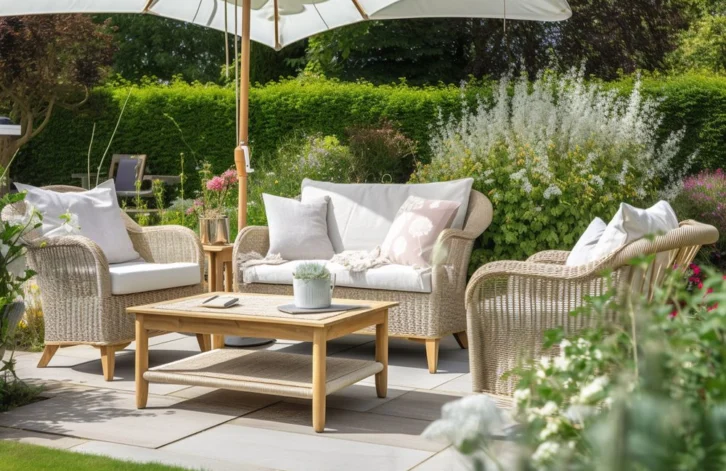
When told to stay indoors during the pandemic, just as a sunny Spring was emerging, the garden suddenly became the most important place. Those without a garden were found in various studies to suffer the most. This newfound appreciation hasn’t dipped since, either.
Searches for gardens, be it a sprawling botanical one or a modest patio, saw a surge from pre-pandemic levels. This sentiment was backed up by the RICS report, where the market increased demand for homes with outdoor access.
This is even more important in a high-density environment like London, where even minimal external areas have become fiercely prized.
Blurring lines between work and play
The accelerated adoption of remote and hybrid working cannot be overstated in how it’s changed our homes. For better or worse, many homes now co-function as an office space, meaning an additional room is necessary. This does tie into the outdoor space demand, however, as many decided to build an office annex out back.
ONS data indicated that, even long after lockdown ended, 44% of UK adults reported some form of home working. So, for those looking to sell a home, it’s not a bad idea to show off your office as a quiet, productive space with good acoustics and possibly a double desk. It’s also worth mentioning the rise of gym culture and how many enjoy doing so from home, adding to more space requirements.
The growing importance of privacy and natural aesthetics
All of these trends, even after the pandemic, have led to people spending more time at home. Because of this, there’s been a big push towards bringing nature indoors and improving what scarce outdoor space we may have. Growing produce, too, is trendy among some demographics.
A Money.co.uk report indicated substantial garden spending in 2021, such as creating natural screens; here you can find a common ivy for rapid and dense greening, while for more structured and evergreen boundaries, Ilex crenata Dark Green is increasingly favoured.
Location, location, adaptation
The “race for space” prompted a cohort of buyers to explore peripheral commuter towns and semi-rural locales. The threshold for commuting became extended because, on average, many people only work some days in the office. In other words, there has been a move towards equalising house prices between job-centric cities and more affordable places, perhaps with more nature.
There has also been a growing appreciation of city design. Younger generations have far fewer petrol heads, with many opting to not drive at all in order to save money. This makes 15-minute cities and those investing in pedestrianisation and bicycle lanes more appealing, as well as areas near major airports.
Size matters more than ever
Land has always been the main asset in the UK property market, but over the past few years, this land and homes within it need to cater to a lifestyle of staying home more. Pub culture is declining, the economy isn’t strong, people are working (and working out) from home, and so, more than ever, there needs to be separate spaces for many different activities.