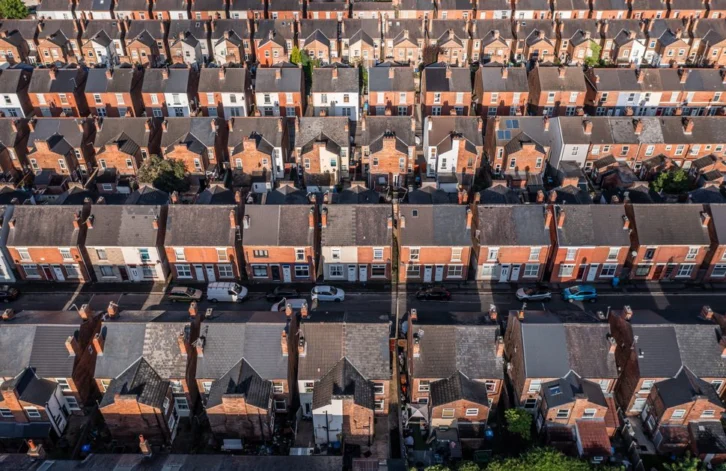
Compare My Move looks at the steps needed to elevate a property above the Decent Homes Standard.
The Renters’ Rights Act had its royal assent at the end of October and has brought big changes to both renters and landlords alike. While the act has passed, many clauses and provisions will take many months, even years, to implement and enforce.
However, landlords may need to start preparing now to make sure their properties meet the government’s proposed Decent Homes Standard.
In many cases, this preparation will begin with a professional house survey, which typically costs around £629, or to survey their own house, collecting evidence and documents of how their property complies.
The government estimates that bringing a non-decent rental home up to standard could cost landlords over £9,000 in repairs on average. Those who fail to comply risk being fined by their local authority, with penalties that can reach up to £30,000 depending on the severity of the breach.
Landlords need their properties to follow 5 criteria to comply with the updated Decent Homes Standard, which is up from 4 criteria due to proposals in the Renters’ Rights Act.
| Criterion | Current DHS | Potential updates for DHS |
| Criterion A | A dwelling must be free of hazards at the most dangerous ‘category 1’ level | No changes |
| Criterion B | A property fails if one or more key building components are old and in disrepair. Or two or more other building components are old and in disrepair |
Failure is based solely on the condition of components, not the condition and their age The lists of key and other building components are expanded |
| Criterion C | A property fails if it lacks three or more facilities, e.g. adequate kitchen which is less than 20 years old or a bathroom which is less than 30 years old | Properties must provide at least three of the 4 core facilities to be decent:
|
| Criterion D | A dwelling must have both efficient heating and effective insulation | A dwelling must meet relevant Minimum Energy Efficiency Standards and have programmable heating |
| Criterion E (new) | No specific damp & mould requirement | Landlords should ensure their properties are free from damp and mould. |
Conclusion
Many of the criteria proposed under the Decent Homes Standard are broad and open to interpretation, making them difficult for landlords to measure or prove compliance. This uncertainty is made worse by the fact that different authorities oversee different rules, and enforcement practices vary from council to council. The penalties can also differ by area and can reach up to £30,000, or even include prosecution for serious offences.
So how can landlords protect themselves when the rules aren’t crystal clear? The best step is to commission a regulated RICS surveyor to assess your property. A professional survey can highlight any obvious hazards, issues with energy efficiency, or signs of damp and mould before they escalate.
It’s equally important to keep your own detailed records. Create a simple checklist (or use ours) for your property, take clear photos, and document any work carried out to meet the standard. If you identify something that doesn’t comply, act quickly to fix it, and keep receipts, reports, and maintenance logs as proof of your efforts and the dates the work was completed.