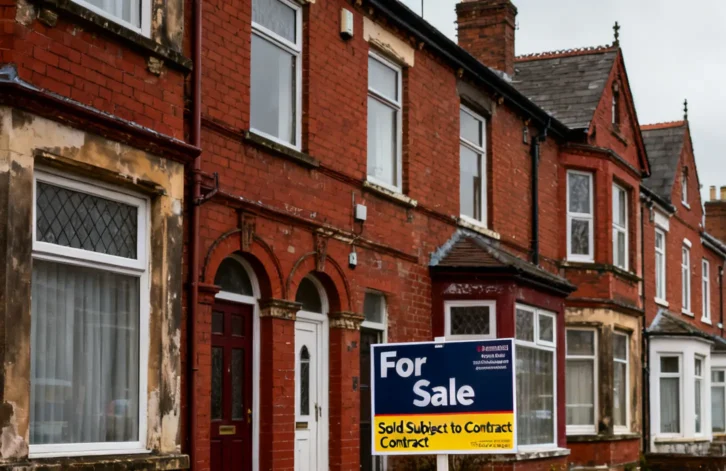
The UK housing market has reached a standstill as homeowners delay moving due to affordability pressures, limited housing supply and lengthy transaction processes, according to research from the HomeOwners Alliance.
The organisation’s data shows that 74% of homeowners consider moving too expensive, citing mortgages, deposits and Stamp Duty as the primary barriers to relocation.
Mortgage rates and Stamp Duty concerns
When surveyed about factors that would facilitate moving, 42% of respondents identified lower mortgage rates as a motivating factor, rising to 50% among those currently holding a mortgage. Meanwhile, 37% pointed to reforms in the buying and selling process, and 36% highlighted lower Stamp Duty as necessary changes.
The findings align with recent concerns about static house prices and broader market challenges facing the sector.
For first-time buyers, affordability remains the central challenge. Lower deposit requirements were cited by 42% of respondents, with 39% identifying lower mortgage rates as crucial. Additionally, 19% stated that more targeted savings products, such as Lifetime ISAs, would support their entry into the housing market.
Older homeowners face supply constraints
Older homeowners identified different barriers, with 27% stating that better housing supply suited to different life stages would facilitate moving. This group also expressed concerns regarding downsizing options and leasehold regulations.
Paula Higgins, CEO of HomeOwners Alliance, stated: “Tackling affordability, addressing Stamp Duty and fixing the broken buying process will make it easier for everyone to move when the time is right.”
She added: “We already know older homeowners want more bungalows, but this research also shows growing concern about leasehold. Many have spent their lives in freehold homes and are understandably wary of downsizing into properties with added costs, complexity and restrictions.”
Higgins called on the government to advance leasehold reform to provide homeowners with confidence in flat purchases and ensure the housing market functions effectively across all segments.
The research highlights structural challenges in the UK housing market, with transaction costs and process inefficiencies compounding affordability issues. These findings come as the sector faces regulatory changes and ongoing digitisation efforts aimed at improving market transparency and efficiency.