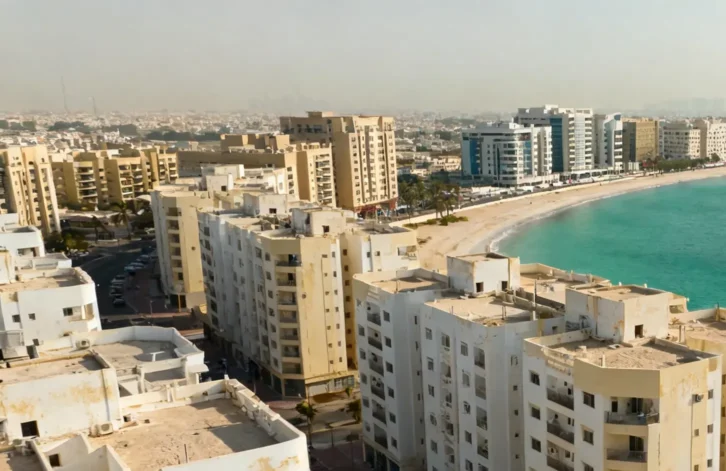
Abu Dhabi is attracting increased attention from international property investors as the emirate positions itself as a distinct alternative to Dubai, with a focus on long-term stability and controlled supply rather than rapid turnover.
The capital of the United Arab Emirates has developed multiple residential districts over the past decade, including island communities, beachfront developments, and financial zones. The market now offers entry points across various price ranges, from mid-market apartments to ultra-prime villas.
Economic fundamentals
The emirate’s property sector is supported by population growth through skilled migration, expansion in finance and professional services, and significant infrastructure investment. Abu Dhabi benefits from sovereign wealth resources and government spending capacity, alongside diversification efforts beyond oil revenues.
The aviation and tourism sectors are expanding, while international education and healthcare facilities continue to develop. These factors contribute to housing demand from high-income professionals relocating to the emirate.
Key investment districts
Yas Island combines tourism infrastructure with residential communities, featuring attractions including Ferrari World Abu Dhabi and Yas Marina Circuit. The district offers apartments, townhouses, villas, and marina properties.
Saadiyat Island represents the premium segment, with beachfront villas and luxury apartments targeting wealth preservation buyers and international purchasers attracted by cultural institutions and coastal access.
Hudayriyat Island is emerging as a villa-focused development area, with projects including Nawayef Villas and Al Naseem Villas. The district emphasises outdoor lifestyle and family-oriented planning.
Fahid Island is at an earlier development stage, with projects such as Fahid Beach Residences and Fahid Beach Terraces offering waterfront properties in a lower-density environment.
Al Maryah Island houses the Abu Dhabi Global Market financial centre, which generates demand for nearby executive housing. The concentration of finance sector employment supports rental demand for premium apartments.
Al Reem Island and other established districts provide mid-market options with existing tenant pools and established infrastructure.
Rental yield considerations
Rental yields vary significantly by location and property type. Mid-market apartments in proven rental zones typically generate higher percentage yields, while luxury assets may offer lower yields but stronger capital preservation characteristics.
Investors must account for service charges, vacancy periods, and tenant quality when evaluating returns. Properties near employment centres and with efficient layouts tend to perform more consistently in rental markets.
Off-plan market
Off-plan purchases remain a common entry strategy in Abu Dhabi, offering lower launch pricing and payment plans. However, selectivity is important, with location quality, developer track record, and future supply levels influencing performance.
The market includes options across different price brackets. Properties in the £350,000-£600,000 range typically consist of one-bedroom apartments in established areas. The £800,000-£1.5 million segment includes villas in developing districts and premium townhouses. Properties exceeding £2 million are concentrated in prime beachfront locations and branded developments.
Market positioning
Abu Dhabi’s property market differs from Dubai in several respects. While Dubai offers greater liquidity and market depth due to its larger scale and tourism profile, Abu Dhabi emphasises controlled supply, longer-term planning, and family-oriented communities.
Some investors now hold properties in both emirates as part of diversification strategies within the UAE market. The choice between the two cities depends on investment objectives, with Dubai typically offering higher transaction volumes and Abu Dhabi providing a more measured growth trajectory.
Industry observers note that the emirate’s property sector has matured significantly, moving from a secondary market to a primary consideration for investors evaluating Gulf real estate opportunities. The trajectory from 2026 to 2030 will depend on factors including employment growth, infrastructure completion, and international awareness levels.
Market participants suggest that location selection within Abu Dhabi is more critical than city-level exposure, with performance varying significantly between established districts, emerging areas, and prime beachfront zones. The balance between rental income, capital appreciation potential, and exit liquidity remains a key consideration for investors entering the market.