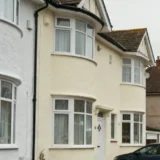
Criminals impersonating homeowners to sell properties fraudulently or secure mortgages were recorded in 55 cases over a 12-month period, according to figures obtained under the Freedom of Information Act from HM Land Registry.
The data, covering April 2025 to March 2026 and obtained by consultancy Novus Strategy, highlights ongoing risks in property transactions where fraudsters attempt to sell homes, take out mortgages, or transfer ownership using forged documents.
AI-generated documents pose detection challenges
Pete Gatenby, AI Practice Partner at Novus Strategy, noted that while owner impersonation fraud remains relatively rare, it represents a high-impact crime. “The concern is that AI can generate increasingly convincing fake documents, meaning they are less likely to be detected by verification processes designed for an earlier generation of fraud,” he said.
The fragmented nature of property transaction oversight presents additional challenges. According to Gatenby, no single organisation maintains visibility across the entire transaction journey or holds a complete view of owner impersonation risk. HM Land Registry monitors suspected fraudulent registration applications, whilst Action Fraud records payment diversion cases, but incidents involving forged identity documents or fraudulent conveyancer certification are not separately tracked.
Vulnerable property types identified
Properties that are mortgage-free, rented out, or left vacant for extended periods face particular vulnerability, as genuine owners may be less likely to detect suspicious activity promptly. The risks extend across various property types, though the data does not specify whether rental properties such as student accommodation or commercial holdings are disproportionately affected.
The fraud cases occur alongside legitimate property transactions, including complex cross-border financing arrangements and specialist lending deals, which themselves require robust verification processes.
Market implications
The 55 recorded cases represent a small fraction of total property transactions in England and Wales, but the financial impact on individual victims can be substantial. The lack of centralised tracking across different fraud types suggests the actual number of attempted or successful property frauds may exceed official figures.
Industry professionals and property owners are advised to remain vigilant, particularly for properties matching the identified risk profiles. The increasing sophistication of AI-generated fraudulent documents may require enhanced verification procedures across the conveyancing process.