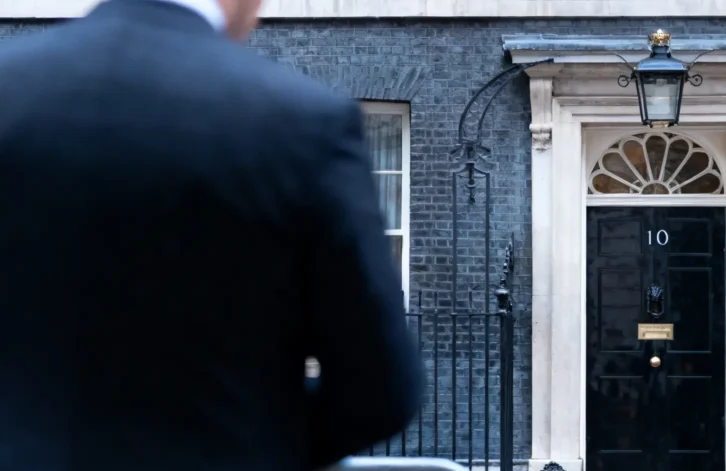
Prime Minister Andy Burnham has confirmed that Stamp Duty will not be reformed in the upcoming Budget, dismissing weekend reports suggesting the tax was under review for abolition.
Speaking to Sky News, Burnham stated: “That won’t happen in the next Budget.” The decision follows concerns that speculation about potential changes could freeze the housing market, as occurred when former Chancellor Rachel Reeves previously considered similar reforms.
Sky News reported that memories of the previous market disruption influenced the decision, noting: “It absolutely froze the housing market for a few months until a final decision was communicated and so he didn’t want to do that.”
Proportional Property Tax proposal
The announcement comes amid ongoing debate about property taxation reform. Burnham has previously expressed support for proposals from Fairer Share, a national campaign advocating for the replacement of Council Tax and Stamp Duty with a Proportional Property Tax.
Under the Fairer Share scheme, homeowners would pay an annual levy of 0.48% of a property’s value, equating to £1,440 per year on a £300,000 home. The campaign claims 77% of households would benefit from such a system, with increases capped for those paying more until they sell their property.
A petition calling for property tax reform has already secured 100,000 signatures. The campaign’s proposals represent a significant shift from the current transaction-based Stamp Duty system, though recent property reforms have focused on other aspects of the buying process.
Market impact concerns
Earlier this month, Zoopla highlighted the impact of Stamp Duty on housing market activity. Richard Donnell, Executive Director at Zoopla, stated that the tax has become a “meaningful friction” preventing some homeowners from moving.
“For home movers, Stamp Duty is a near-certain cost wherever you live – and in Southern England it runs to five figures,” Donnell said. “Six in ten property purchases are made by existing homeowners. When the cost of moving becomes a meaningful friction, some of those moves don’t happen, especially with lower levels of house price inflation in recent years across southern England.”
The issue affects transaction volumes particularly in high-value areas, where Stamp Duty bills can reach tens of thousands of pounds. This contrasts with other property market challenges, including issues affecting London renters and the broader rental sector.
Number 10 has not yet responded to requests for comment on the longer-term prospects for property tax reform beyond the next Budget.