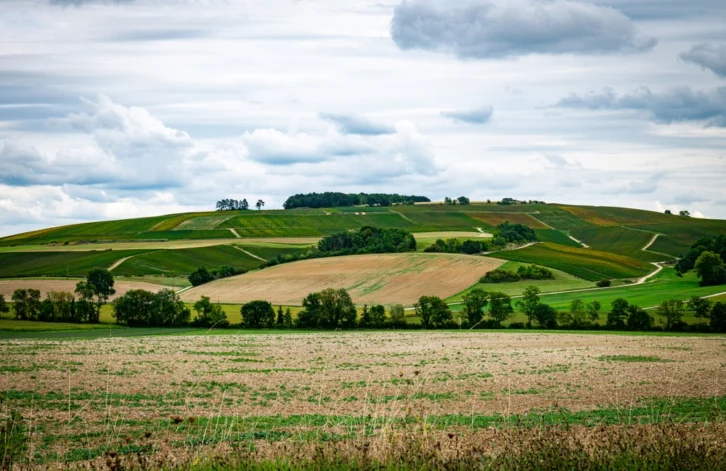
Country property is generally bought on the view. Buyers walk the boundary, admire the outlook, mentally place the furniture and negotiate on the strength of what the house is worth. The quarter mile of unmade track that connects it to the public highway receives, in a great many transactions, no scrutiny at all beyond a note that the drive is charming. That track is frequently the single largest source of unexpected cost and dispute in rural ownership, and it is one of the few issues that is entirely knowable before exchange.
Who Owns It, and Who Has to Maintain It
The first questions are separate and both matter. Ownership of the track may sit with the property, with a neighbour, with an estate or with nobody anyone can readily identify. The right to use it is a distinct matter, established by an express right of way, by prescription over long use, or occasionally by nothing more solid than decades of nobody objecting. Maintenance liability is separate again and frequently shared between several properties under arrangements ranging from a formal deed to an informal understanding that has never been tested. A buyer who has established all three before exchange is unusual, and a buyer who has established none is common.
The Practical Reality of a Private Track
Beyond the legal position, there is the daily experience. Unmade surfaces deteriorate under rainfall, freeze-thaw and heavy vehicles, and a track that presented well in June behaves differently in February. Delivery drivers refuse to attempt some of them. Oil and heating deliveries need a vehicle that can turn. Emergency access is a genuine consideration for properties at the end of a long single-width lane. And the vehicles that live at such a property take a beating, which is why new rural residents quickly learn to find tyres near me and where the nearest fitter actually is, having discovered that sidewall damage from a rutted track is not a once-in-a-decade event.
Adoption Status Determines Everything Downstream
Whether a road is adopted and maintained at public expense, or private, changes the entire cost picture over an ownership period. Resurfacing a shared private track can run into substantial sums divided between however many properties are liable, and enforcing contributions from a reluctant neighbour is an unappealing prospect. For property professionals advising buyers, establishing adoption status early is straightforward and prevents the situation where a purchaser discovers, after completion, that they have acquired a share of an unfunded infrastructure liability with no mechanism to compel their neighbours to participate.
The Documentary Position Is Checkable
None of this needs to be guesswork. Registered titles record rights of way, covenants and, where they exist, obligations to contribute to maintenance, and HM Land Registry holds those records with copies obtainable for a modest fee. Reading the title plan and register properly, rather than relying on a description in particulars, reveals whether an access right is expressly granted, over what route, and for what purposes. Rights granted for agricultural use do not automatically extend to a converted dwelling. Rights granted on foot do not extend to vehicles. These distinctions are where disputes originate, and they are visible in the documents to anyone who looks.
Services Follow the Same Route and the Same Problems
Access questions rarely arrive alone. Water pipes, drainage runs, electricity supplies and increasingly broadband cabling frequently cross the same third-party land as the driveway, and each requires its own easement to be secure. A property with a robust vehicular right of way and no documented right to maintain the water pipe running under a neighbour’s field has a problem waiting. For anyone advising on rural purchases, checking that the services enjoy the same documentary protection as the access is a distinct exercise rather than an extension of the first one.
Lenders and Insurers Notice
The commercial consequence is that access defects affect financing. Lenders are wary of properties without a clearly documented vehicular right of way to an adopted highway, and an unresolved access issue can reduce the pool of available lenders or stop a transaction entirely. Indemnity insurance exists for some defects and is not a universal remedy, particularly where a defect is known to the parties or where a neighbour has already raised an objection. Identifying the issue during due diligence leaves time to resolve it properly. Identifying it during a mortgage valuation leaves considerably less.
The Questions Worth Asking Before Exchange
For buyers and their advisers, a short list covers most of the ground. Is the access road adopted or private, and if private, who owns it? Is there an express right of way in the title, and does it cover vehicles and all necessary purposes? Who is liable for maintenance, in what proportion, and has that ever been exercised? When was the surface last worked on and what did it cost? Do the services benefit from equivalent documented rights? Are there any current disputes or objections among the properties sharing the route?
A Solvable Problem, Taken Early
None of this argues against rural property, which remains among the most desirable stock in the market. It argues for treating the approach to a house with the same seriousness as the house itself, because access defects are difficult and expensive to remedy after completion and comparatively straightforward to identify beforehand. The buyers who have trouble are almost never the ones who investigated and accepted a known limitation. They are the ones for whom the track was simply part of the charm.